2 hr 30 min
Fresh Pasta Workshop in Medieval Tower
- Entry ticket
- Mobile voucher
- Valid same day
- Free cancellation
Tuscany Wine Tour and Cooking Class — Chianti Vineyards & Fresh Pasta
Roll dough in medieval towers, taste Chianti beneath centuries-old vines.
Compare fares, pick the fit — all bookings are mobile-voucher and eligible for free cancellation where shown.
2 hr 30 min
6 hr 30 min
4 hr 30 min
Selecting the right tuscany wine tour and cooking class depends on your preference for social interaction versus personalized privacy. These culinary experiences vary by group size and the level of exclusivity offered during winery visits.
| Small Group Tour Social & Structured |
Top pick Private VIP Experience Exclusive & Flexible |
|
|---|---|---|
| Group Size | Maximum 12-15 guests | Private party only |
| Access Style | Fixed itinerary at set wineries | Customized schedule and estates |
| Inclusions | Shared class and standard tastings | Private chef and premium wine pairings |
| Flexibility | Scheduled morning or afternoon starts | Fully adjustable start times |
| Best for | First-timers seeking best value | Anniversaries and special celebrations |
| See tickets & prices |
Verdict: For the best balance of local immersion and ease of planning, these tuscany wine tour and cooking class tickets provide a structured way to experience authentic regional flavors.
Worth it for immersive experiences, skip standalone cooking
A tuscany wine tour and cooking class delivers value when bundled with vineyard access and regional transport. The Chianti excursions from Florence combine winery visits, cellar tours, and hands-on pasta or cooking sessions at working estates—eliminating the need to rent a car or navigate rural Tuscany independently. Tours priced around €90–140 include round-trip transport, tastings at multiple vineyards, and meals prepared with estate-grown ingredients, making them cost-competitive with self-driven alternatives once fuel and parking are factored in. The Fresh Pasta Workshop in a medieval tower offers culinary instruction in a historic setting but lacks the vineyard immersion that defines the region's appeal. Standalone cooking classes work for travelers based in Florence with limited time; multi-stop wine country itineraries justify the premium for visitors seeking authentic farmhouse environments, sommelier-led tastings, and the rolling hills of Chianti without logistical friction. Tuscany wine tour and cooking class tours that pair both elements in a single day offer the strongest value proposition.
Bottom line: Choose combined wine country excursions with cooking components for the best cost-per-experience ratio; skip city-based workshops if vineyard access matters to you.
They complement each other, though most visitors who do both call the combined tuscan wine tour and cooking class experience more fulfilling for its active, hands-on immersion into local culinary culture.
|
Top pick Wine Tour & Cooking Class |
Cellar Tour & Tasting | |
|---|---|---|
| Focus | Active learning and dining | Technical production and tasting |
| Duration | 4–7 hours | 1.5–3 hours |
| Primary activity | Hands-on meal preparation | Guided cellar walkthrough |
| Atmosphere | Social and interactive | Educational and focused |
| Suitable for | Foodies and families | Oenophiles and couples |
| Best arrival window | 09:00–10:00 | 09:00–10:00 |
| Booking status | Individual services booked | Individual tours and tastings |
| Price | 0 EUR entry fee | 0 EUR entry fee |
| See tickets & prices |
Verdict: Choose a tuscan wine tour and cooking class if you want to master traditional recipes, or select a standalone cellar tour for a deeper focus on regional viticulture.
Hand-picked experiences loved by thousands of travelers
11 hours
Free Cancellation
Journey through Tuscany's highlights: medieval towers, rolling vineyards, and Renaissance treasures
12 hours
Free Cancellation
Explore three iconic Tuscan destinations plus enjoy wine tasting and a countryside feast on this full-day excursion
12 hours
Free Cancellation
Explore three iconic Tuscan destinations with countryside views and optional lunch in the Chianti region
3 hours
Free Cancellation
Master the art of handmade ravioli and tagliatelle with a professional chef in Florence's historic center
5 - 6 hours
Free Cancellation
Learn to craft authentic Italian dishes at a scenic countryside farmhouse, starting with a Florence market visit
6 - 9 hours
Free Cancellation
Explore Chianti's vineyards by 4WD, taste renowned wines at historic estates, and feast on authentic cuisine
4.5 hours
Free Cancellation
Learn authentic Tuscan recipes in a stunning hillside setting with organic ingredients and local wines
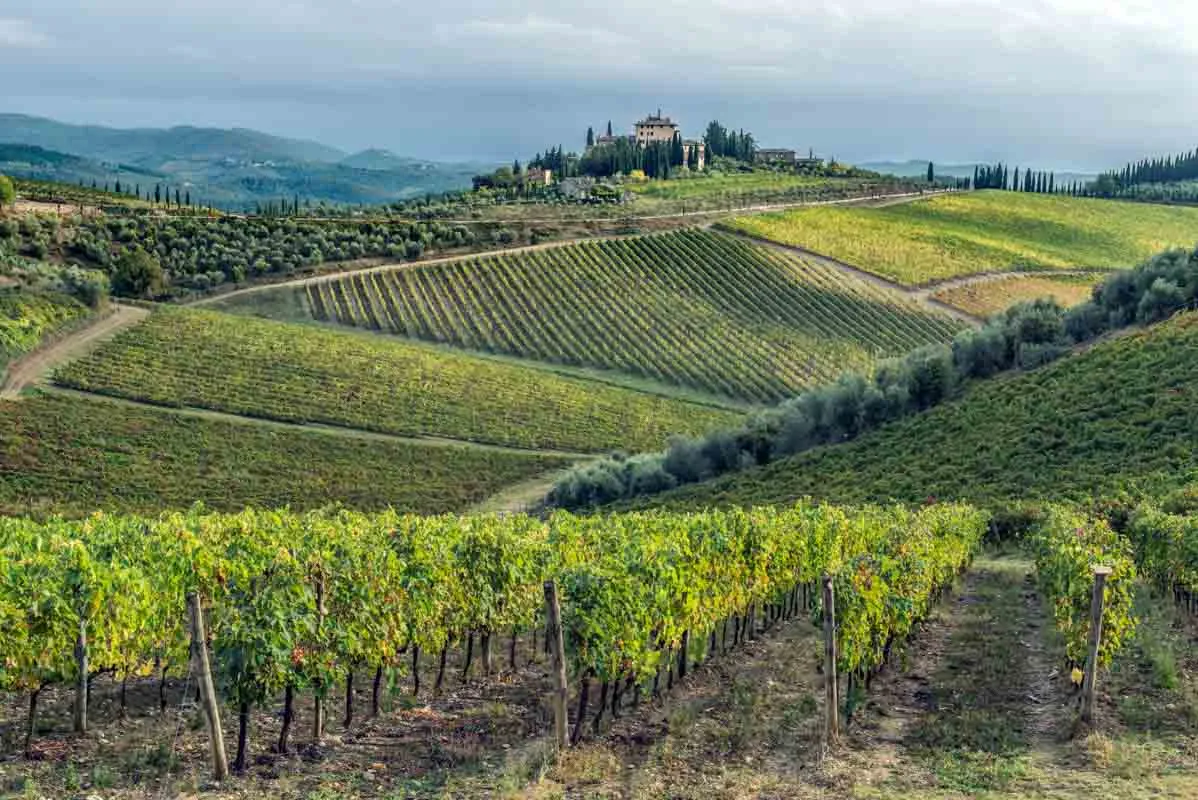
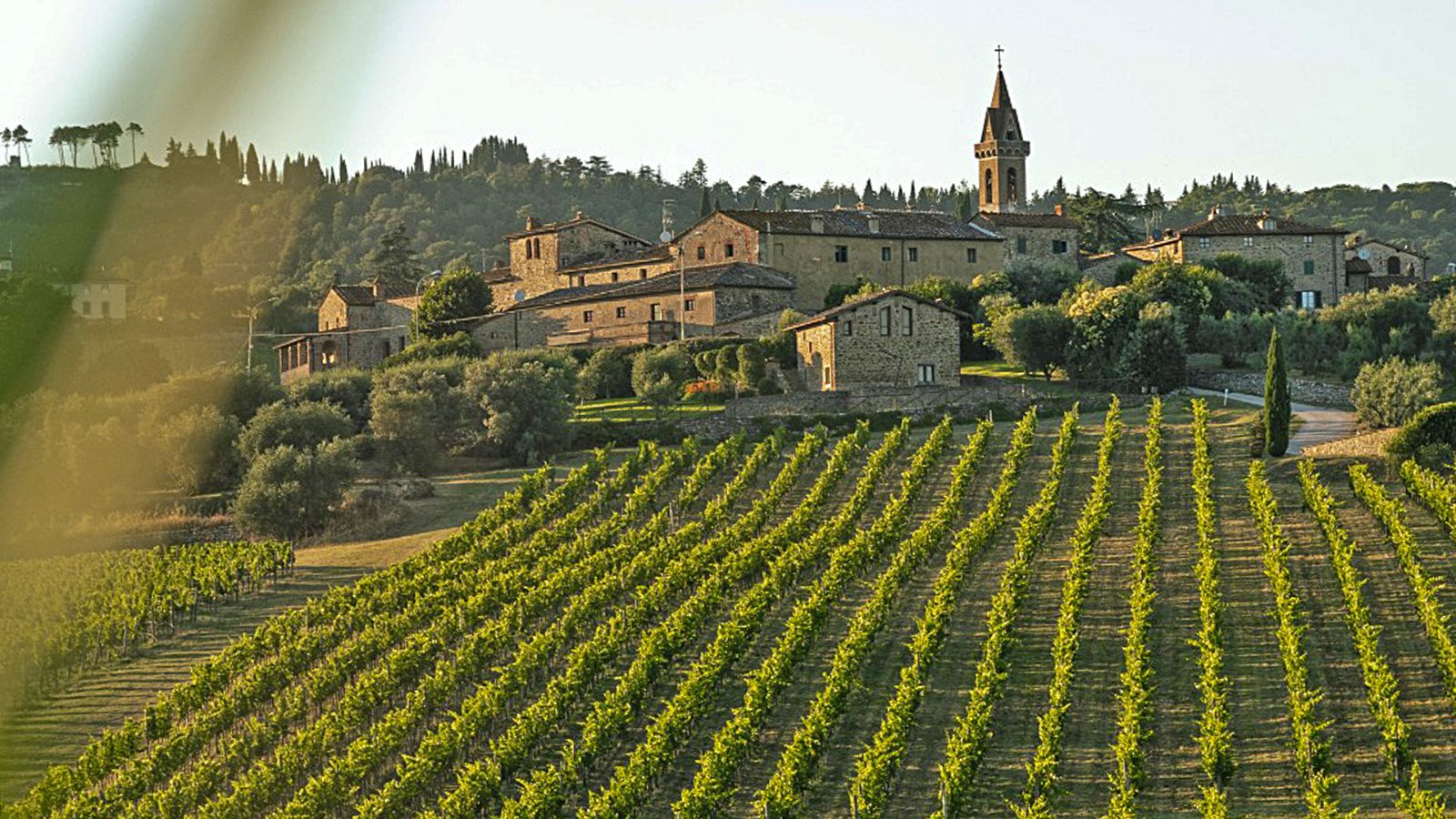
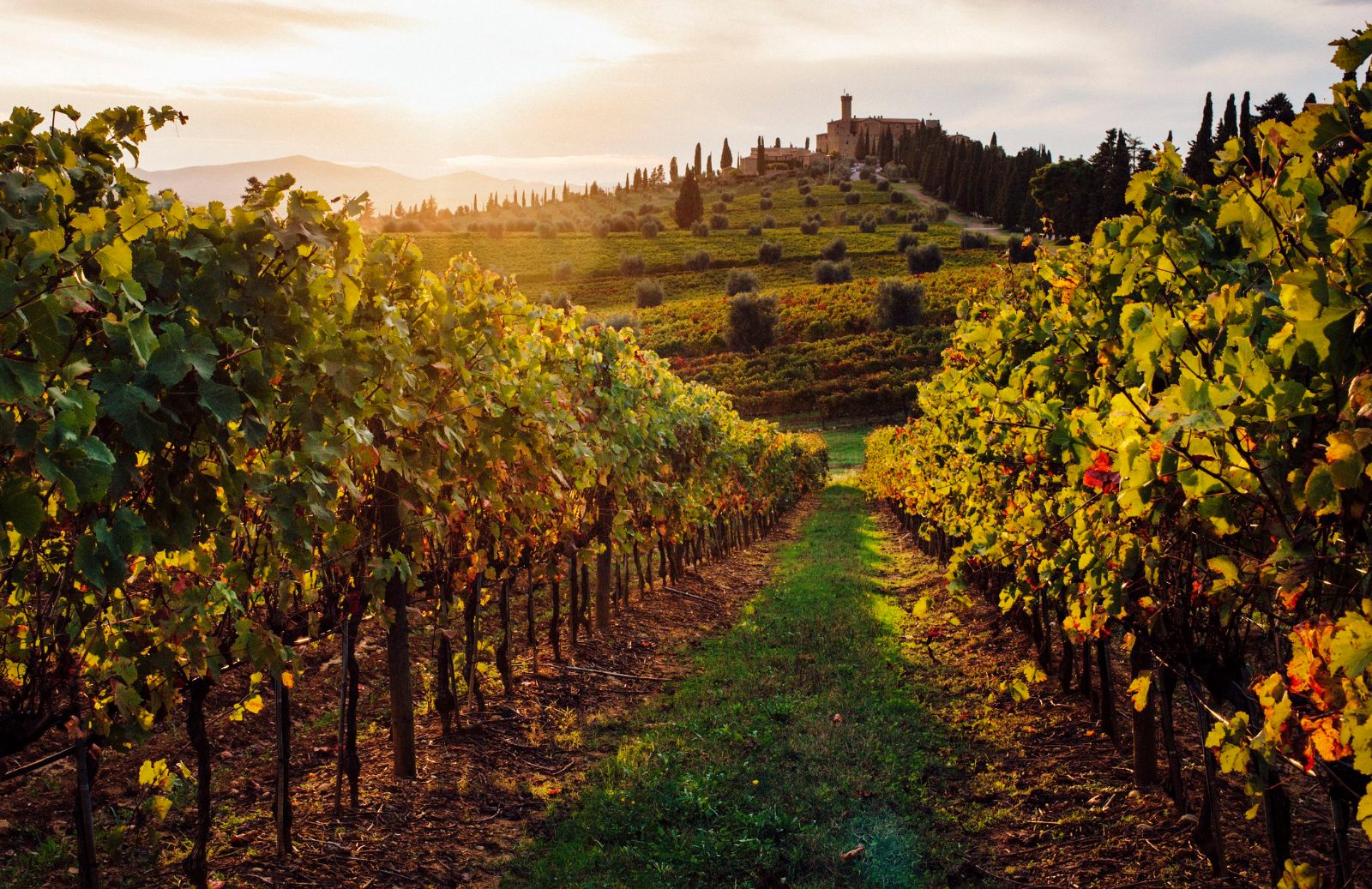
Rows of vines producing world-famous grapes for Chianti wine.
Vineyard rows during harvest season
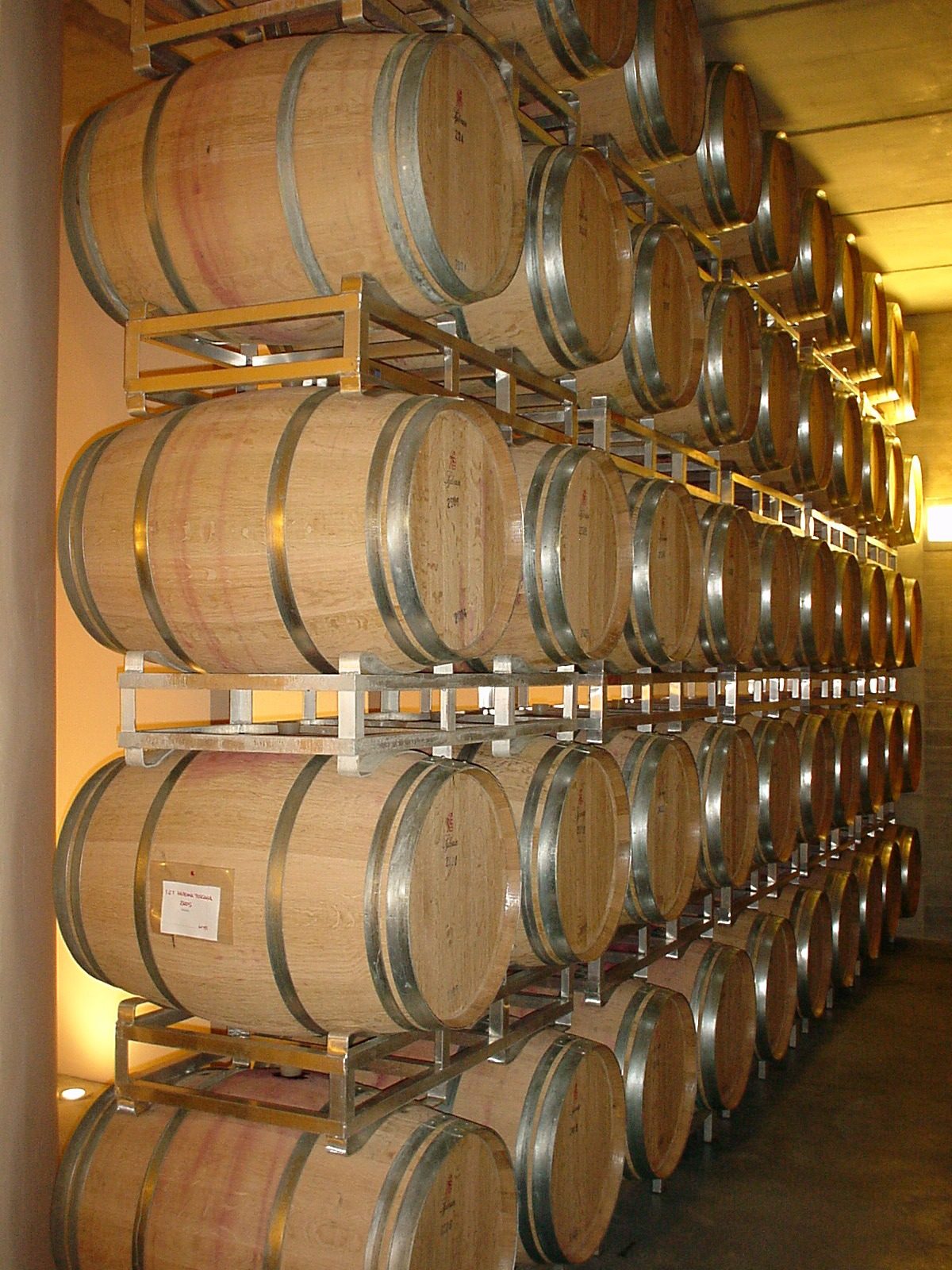
Underground aging rooms featuring traditional oak barrels.
Dark wine cellar with oak barrels
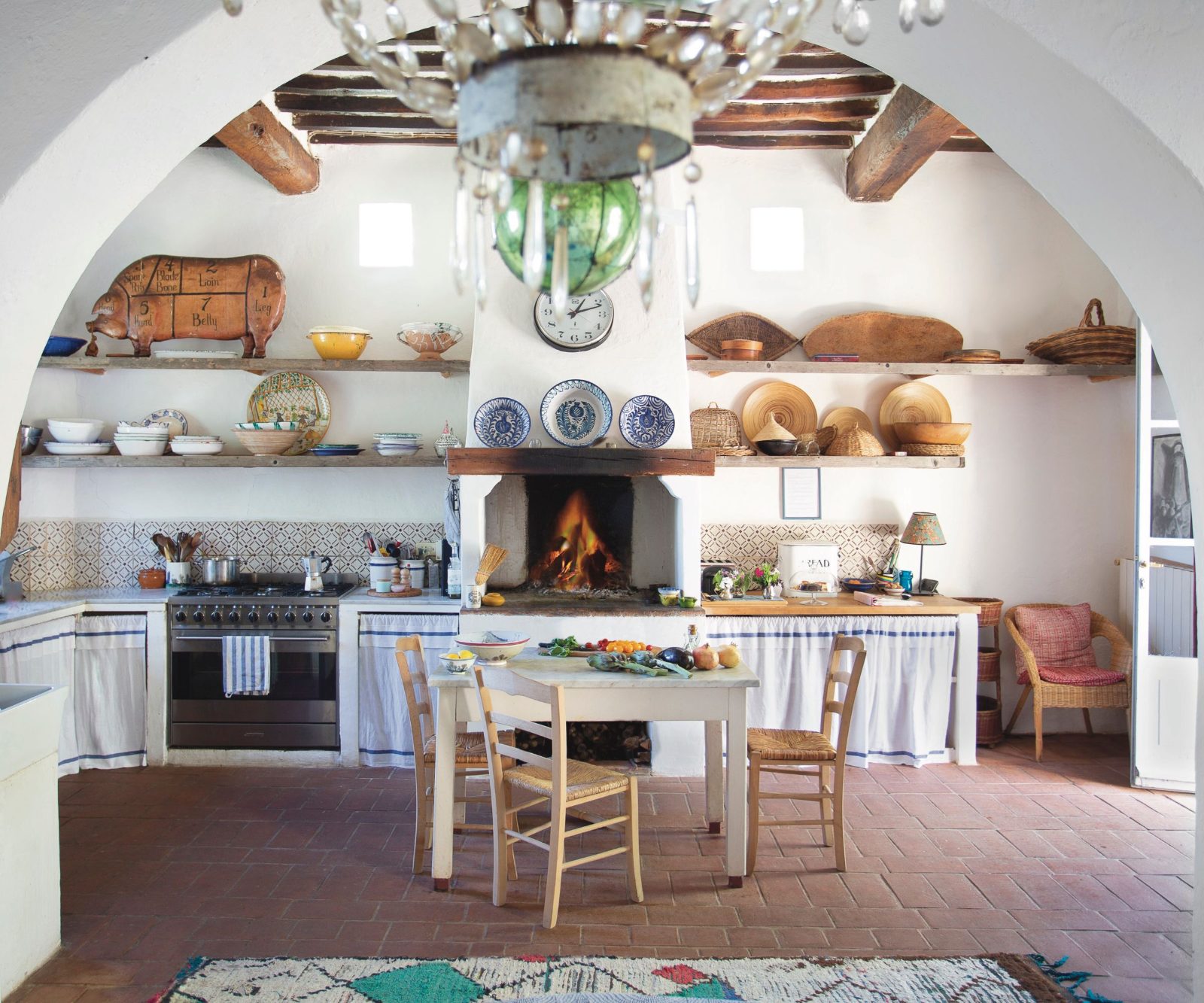
An authentic cooking space equipped for traditional pasta preparation.
Rustic kitchen with pasta tools
Equipment used for the traditional extraction of cold-pressed oil.
Fresh olive oil extraction press
A collection of fragrant plants used in local recipes.
Sunlit garden with fresh herbs
You board a coach in Florence as the city shakes off its morning fog, heading south through the Porta Romana toward the Chianti hills. Within thirty minutes the road narrows, winding past stone farmhouses and cypress alleys that mark estate boundaries.
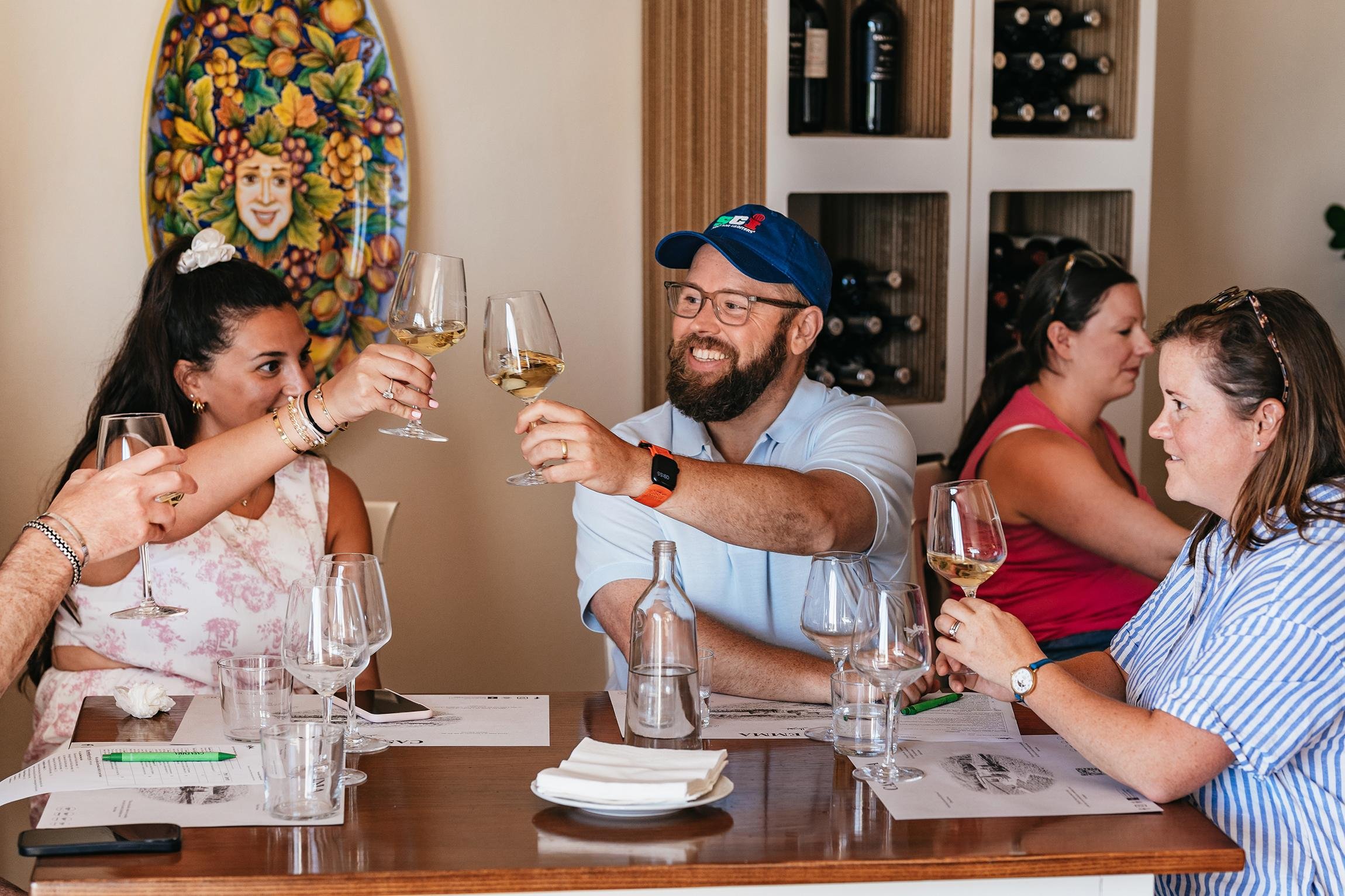
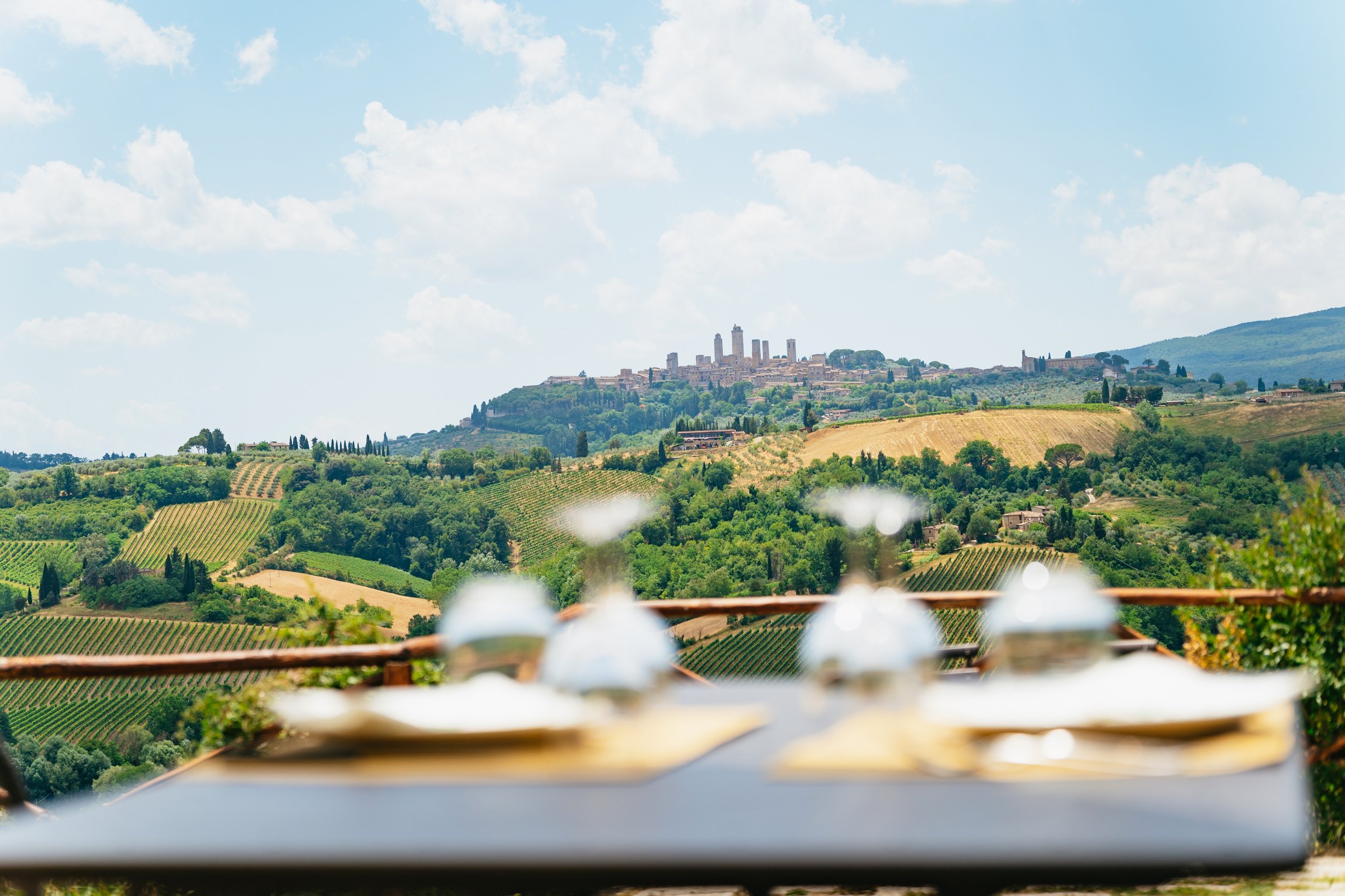
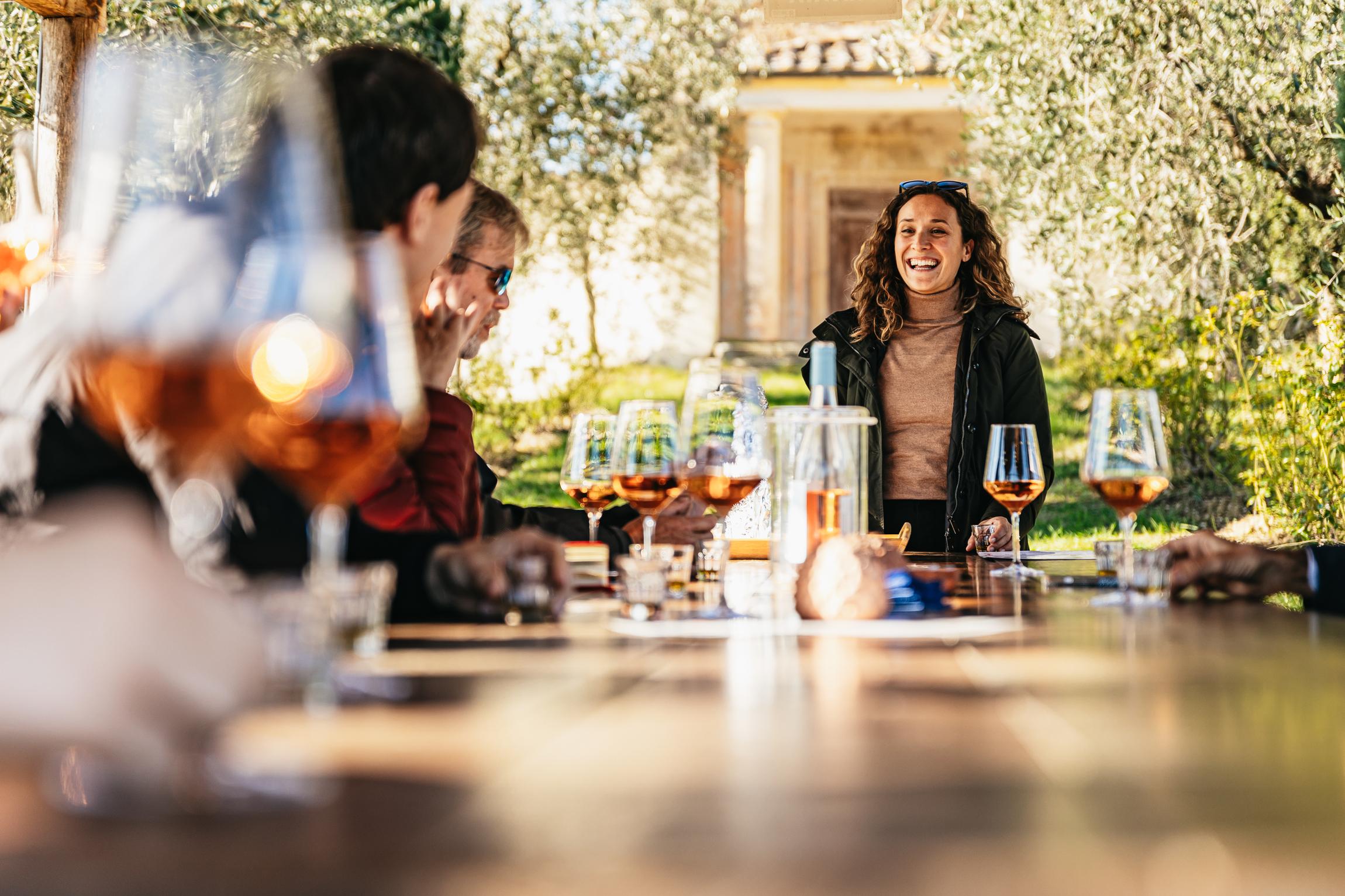
Your first stop is a family-run vineyard near Greve, where rows of Sangiovese vines climb terraces carved into clay and galestro soil. A sommelier leads you into a cellar hewn from tufa, the air cool and faintly sweet with oak. You taste three vintages — a young Chianti, a Riserva aged twenty-four months, a Gran Selezione with tobacco and cherry notes — while she explains the role of altitude and sun exposure in shaping acidity.
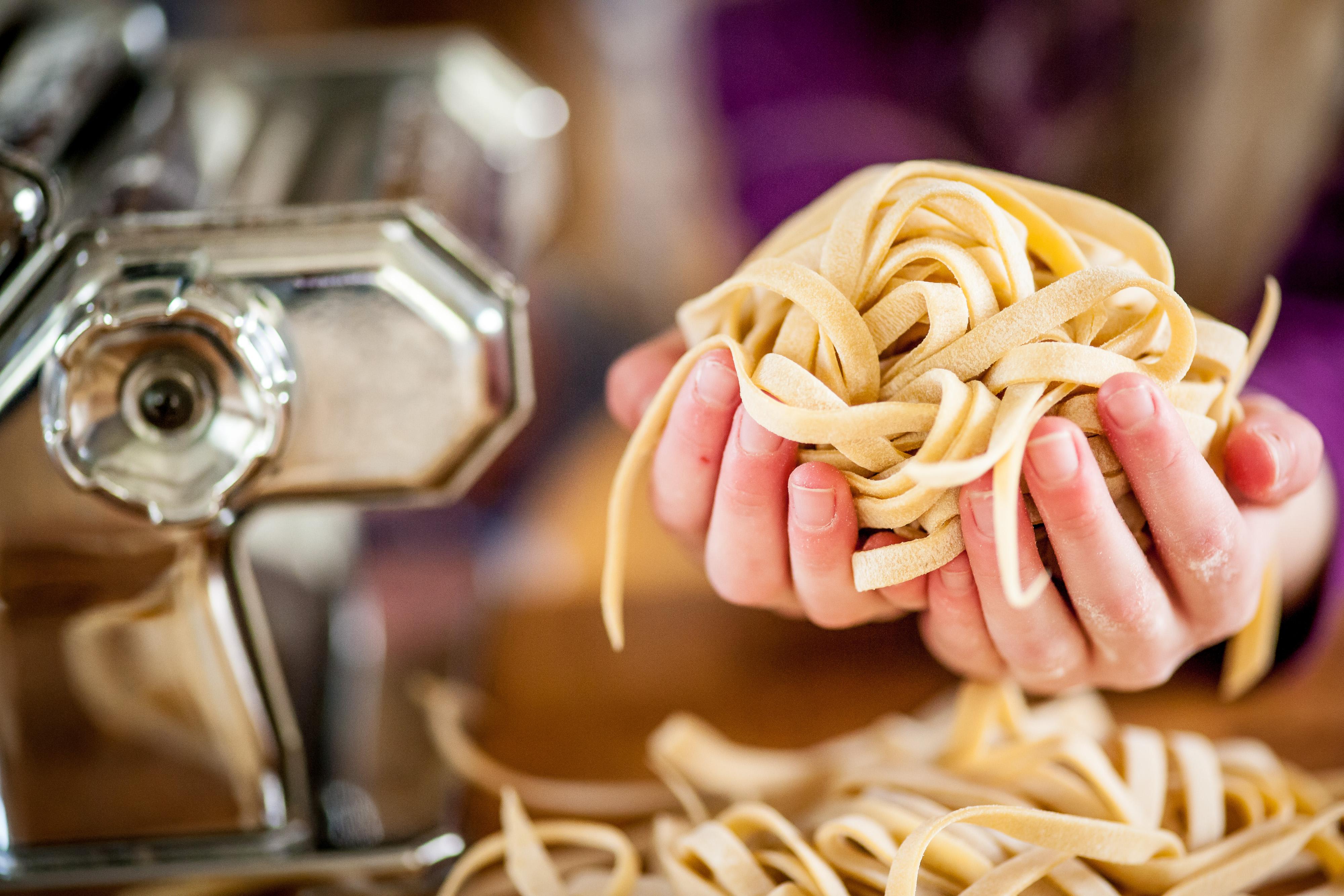
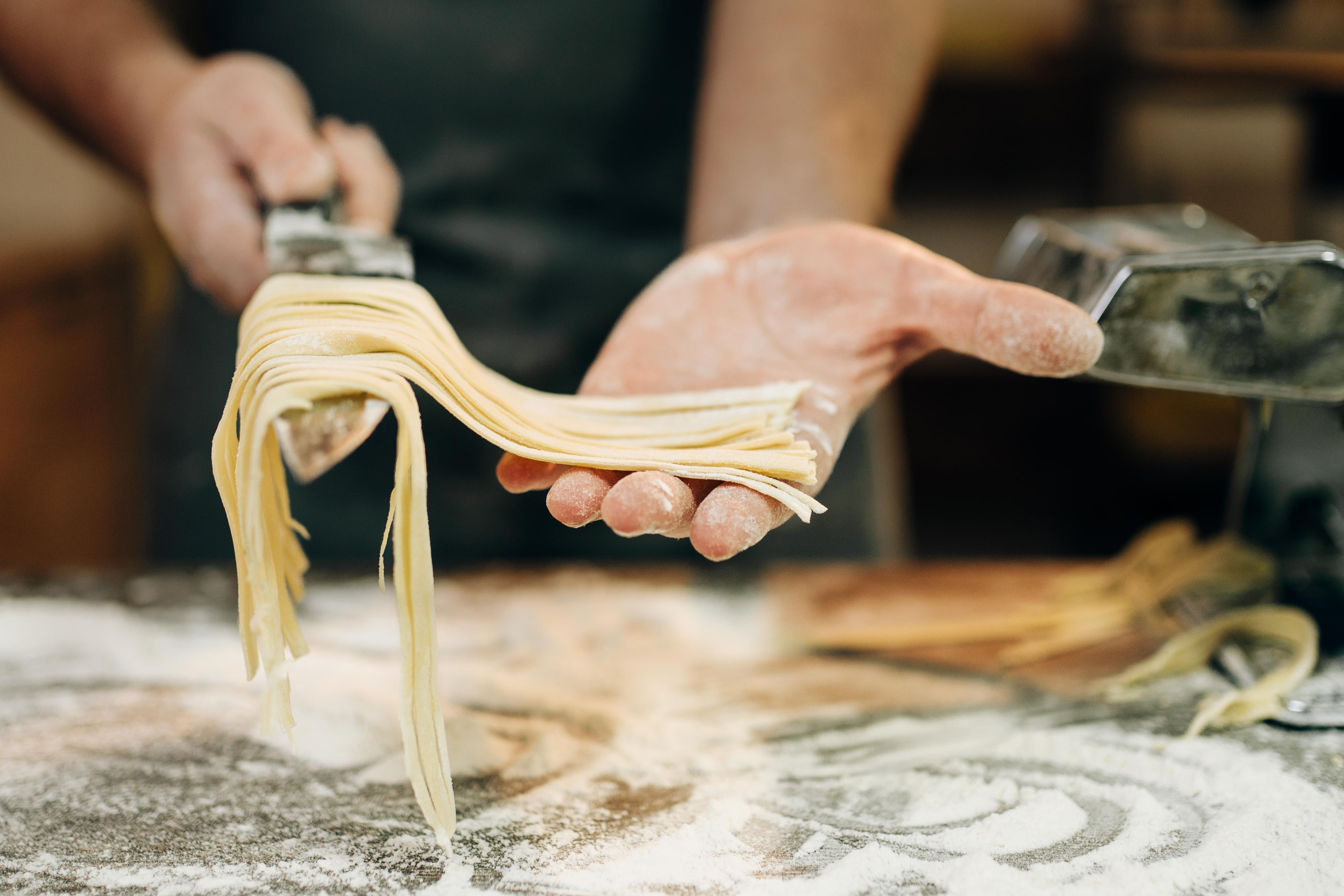
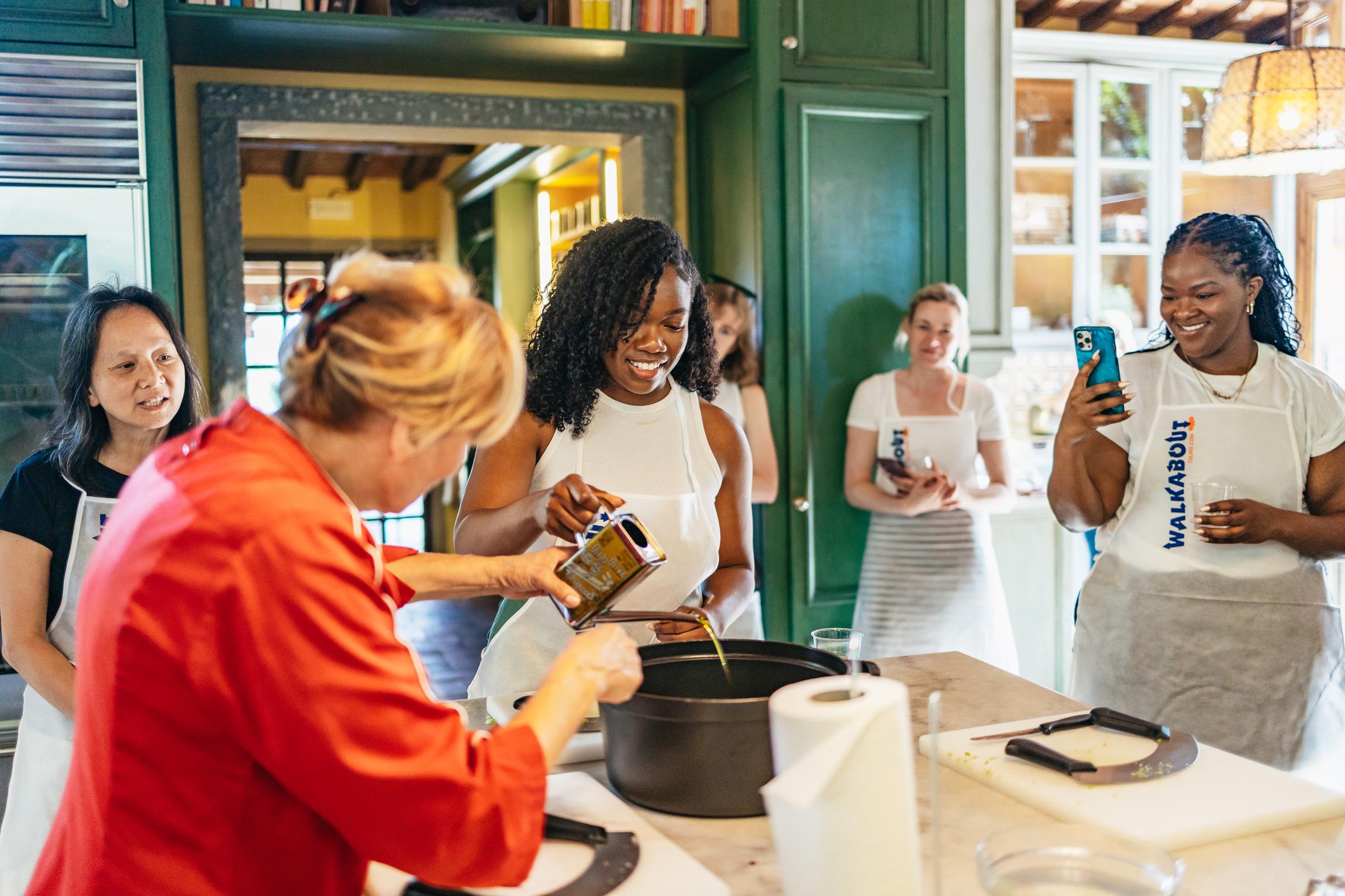
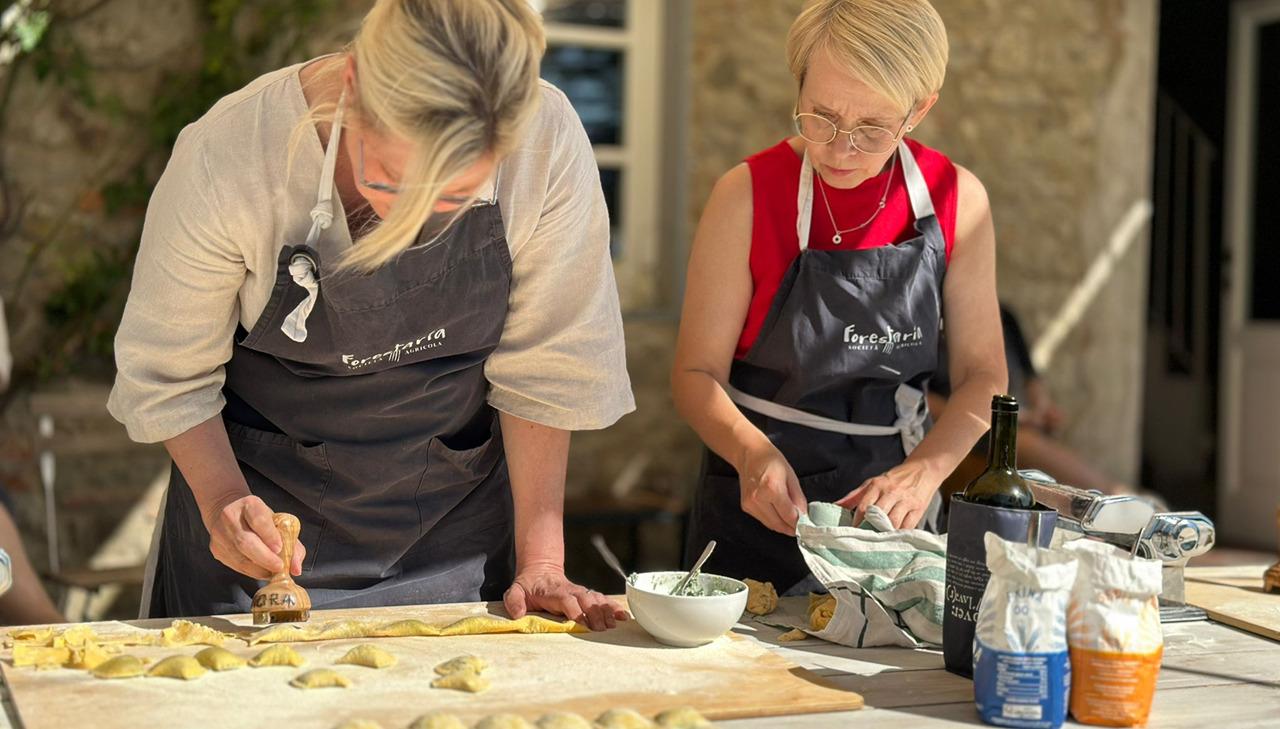
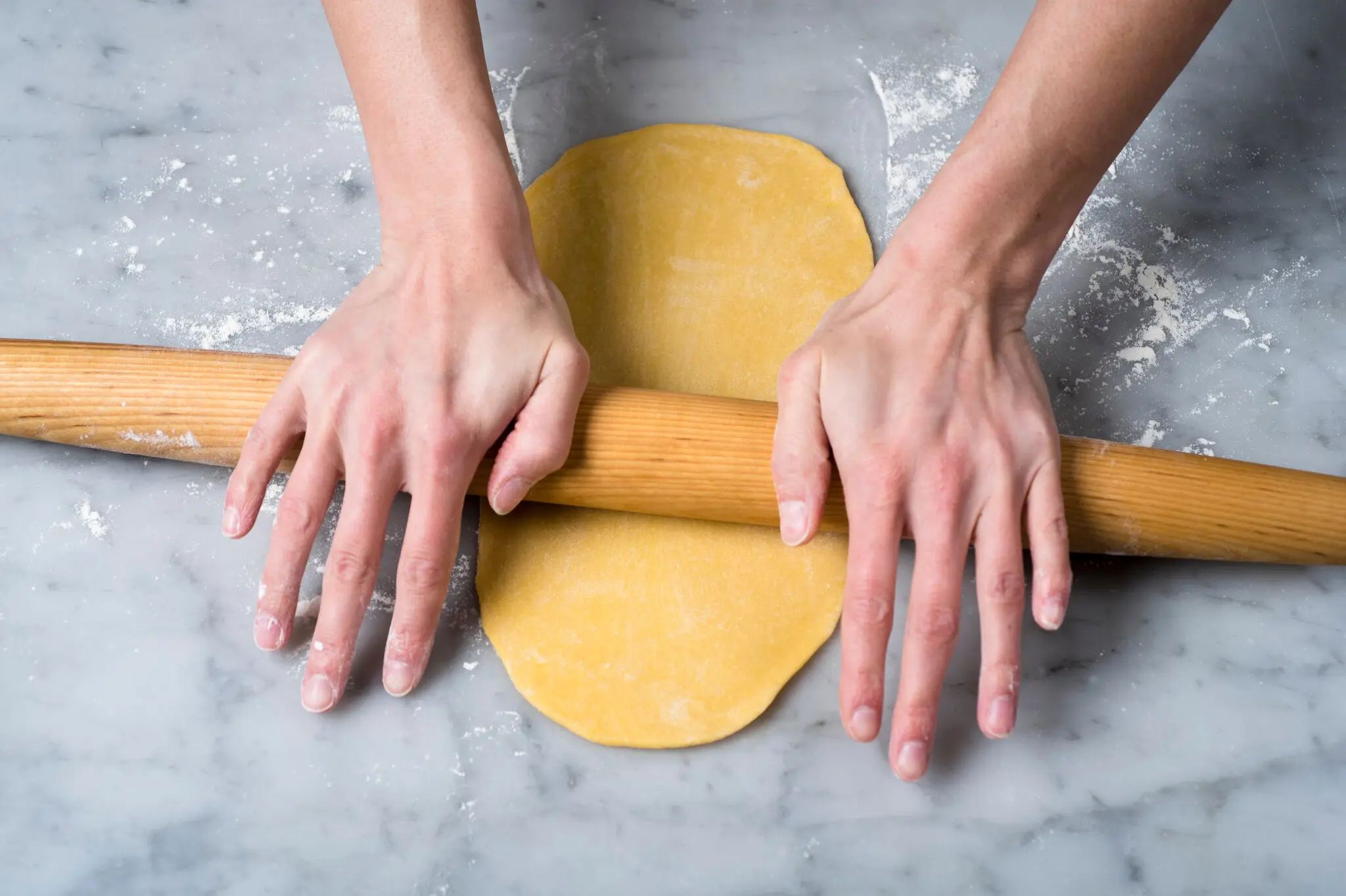
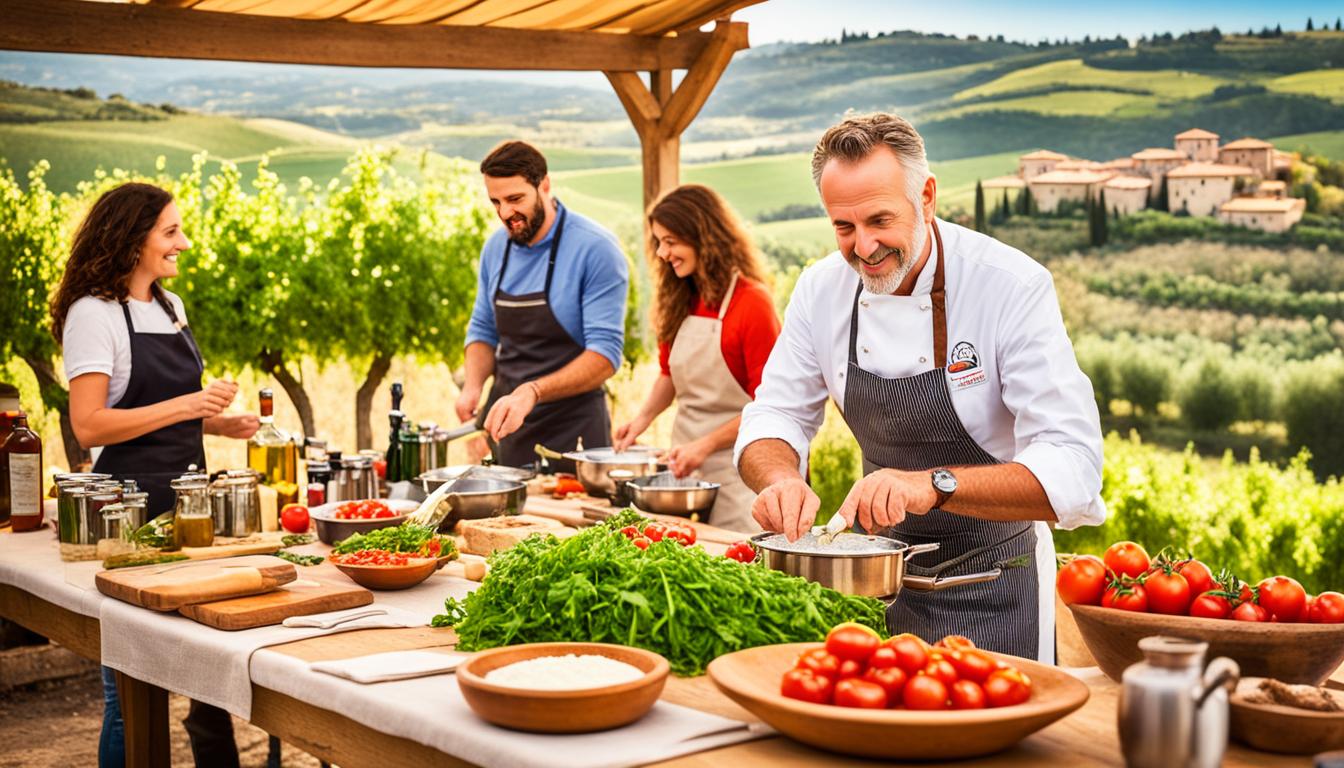
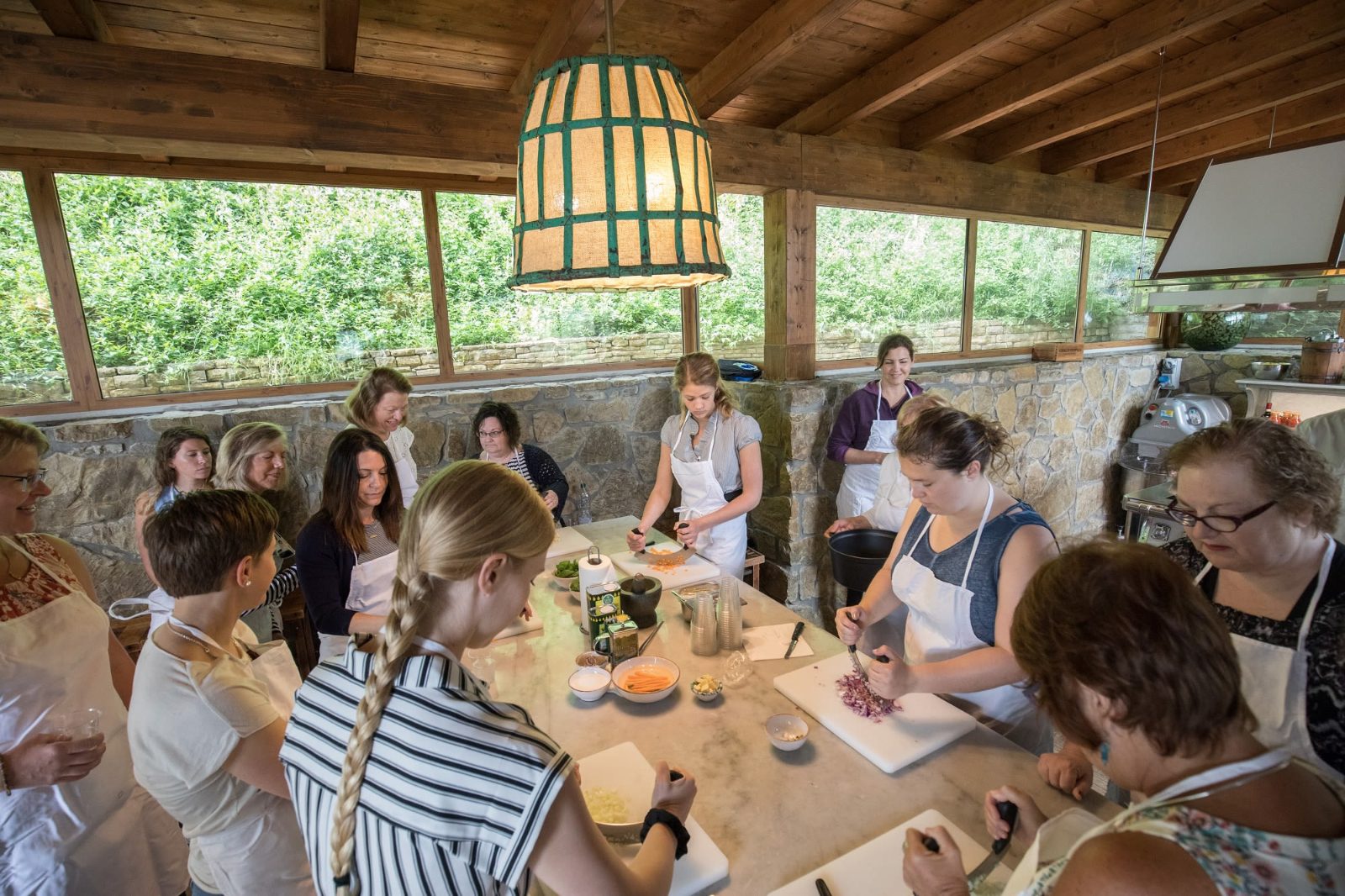
Next comes the kitchen. You gather around a marble-topped table in a converted tower, flour dusting your hands as the instructor demonstrates the sfoglia technique: flatten, fold, roll until the dough is translucent enough to read newsprint through. You cut tagliatelle by hand, the ribbons hanging on wooden racks to dry. Lunch follows in a courtyard shaded by oak trees, where your own pasta arrives dressed in wild boar ragù, paired with a glass of Chianti Classico and a view across the Val d'Elsa. You leave with the scent of rosemary and fermenting grape skins in your clothes, and a new understanding of how terroir and tradition converge in a single bite.
All the details about your upcoming adventure in one place
Chianti Classico earned its protected designation in 1716, when Cosimo III de' Medici drew the first appellations in European wine law. The decree enclosed a quadrilateral between Florence, Siena, and the Chianti hills, a geography still visible in the Gallo Nero seal stamped on every certified bottle.
Today that same terrain hosts a convergence of viticulture and agrarian tradition, where cellars carved into tufa stone in the thirteenth century now offer guided tastings alongside farmhouse kitchens teaching pasta techniques unchanged since the Renaissance.
A Tuscany wine tour and cooking class pairs two pillars of regional identity: Sangiovese cultivation and hand-rolled dough. The Chianti landscape — terraced rows climbing slopes planted to vine density regulations inherited from medieval guilds — produces wines aged in chestnut and oak barrels that line the same cellars where Dante's contemporaries stored grain. Many estates open their cantinas for structured tastings, walking visitors through terroir distinctions between sub-zones like Greve, Radda, and Castellina. The cooking component typically unfolds in a restored farmhouse or medieval tower, where instructors demonstrate the geometry of pici, pappardelle, and ravioli using tipo 00 flour milled locally and bronze dies that score the dough for sauce adhesion.
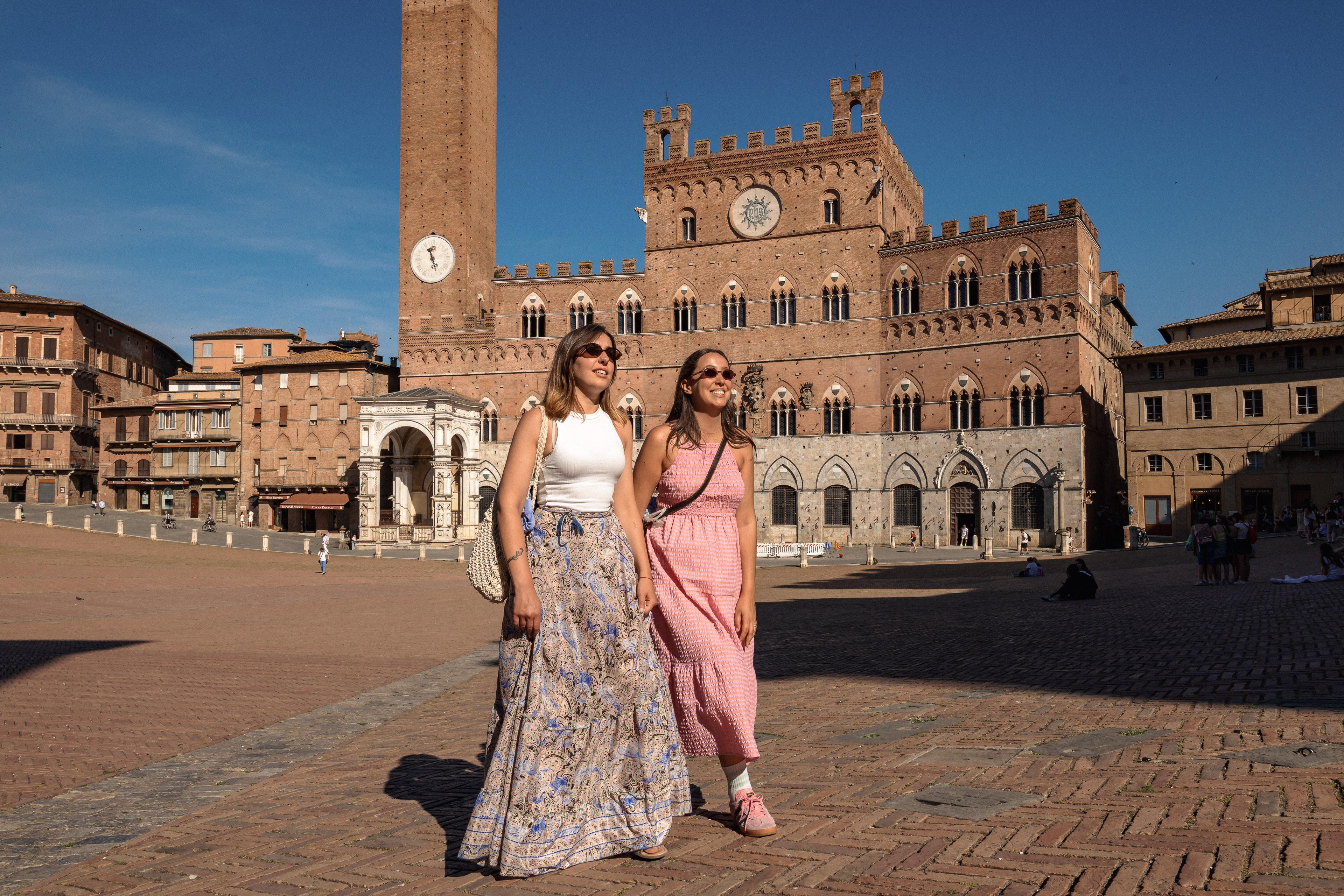
San Gimignano and Siena anchor many itineraries, offering Gothic architecture and museum-quality frescoes between vineyard stops. San Gimignano's fourteen surviving tower houses — remnants of seventy-two built by rival merchant families — frame the Piazza della Cisterna, where Vernaccia di San Gimignano, a white varietal cultivated since 1276, is poured in enotecas beneath vaulted ceilings. Siena's Palazzo Pubblico and the shell-shaped Campo, site of the Palio horse race since the seventeenth century, provide historical counterweight to the agrarian focus of a Tuscan culinary day trip.
The seasonal rhythm matters: September through early November brings the vendemmia, when hand-picked grapes fill wooden crates and the air smells of crushed skins and fermenting must. Spring offers wildflower corridors between vine rows and cooler weather for outdoor tastings. Most experiences operate from 9:00 to 18:00, departing Florence or meeting directly at estates across the Chianti denomination, where the sensory education — tannin structure, acidity, the gluten network in kneaded dough — unfolds against a landscape codified in law five centuries before the modern wine industry existed.
Chianti Classico earned its protected designation in 1716, when Cosimo III de' Medici drew the first appellations in European wine law.
Casual and comfortable attire is recommended for a tuscany wine tour and cooking class. Wear flat, closed-toe shoes suitable for walking through vineyards or standing in rustic kitchen spaces.
Keep personal belongings to a minimum as storage is rarely provided at private estate locations. Larger bags may interfere with your movement during a tuscany wine tour and cooking class.
Photography is generally permitted in the vineyards and cooking areas during your tuscany wine tour and cooking class. Please be respectful of other participants and do not impede the instructor or guide.
Family participation in a tuscany wine tour and cooking class varies by operator and the specific minimum age for participants. Check individual service details for child-friendly cooking options.
Vineyard terrain can be uneven, making some areas of a tuscany wine tour and cooking class challenging for those with mobility issues. Please contact the operator to confirm if specific wineries offer accessible paths.
All food and wine tastings included in your tuscany wine tour and cooking class are provided as part of the package. Dietary restrictions should be communicated at the time of booking.
Opening Hours
09:00–18:00
Address
Tuscany, Italy (Various locations across Chianti and local wineries)
Wheelchair Access
Variable by site; inquire upon booking
Best arrival window
09:00–10:00
Storage
Not available; travel light
Service Type
Individual tours and classes booked independently
Car
Driving is the most flexible way to reach remote wineries for your tuscany wine tour and cooking class. Rental vehicles are available in major hubs like Florence.
Taxi
Private taxi services can be hired for door-to-door transit to your tuscany wine tour and cooking class. Ensure you arrange a return pickup in advance.
Full refunds are typically provided for bookings cancelled at least 24-48 hours in advance. There is no standard entrance fee of 0 EUR applied to these services, as all costs are bundled into your tour or class selection.
Recommended time
Full day
To experience a comprehensive tuscany wine tour and cooking class, plan for a full day to accommodate travel through the Chianti countryside and hands-on preparation. Arriving during the best arrival window of 09:00–10:00 allows you to enjoy the vineyards before the mid-day heat and large group tour crowds gather. Most tuscany wine tour and cooking class tours offer an immersive schedule where you gather fresh ingredients, learn local recipes, and participate in a guided tasting session. Securing your tuscany wine tour and cooking class tickets early ensures you can navigate the rural landscape efficiently while avoiding the peak congestion that occurs in the early afternoon.
Crowd levels through the day
Weather · crowds · average price — dots go green to amber to red as each metric rises.
Mild temperatures and lush green vineyards ideal for any tuscany wine tour and cooking class. April to June offers the most comfortable weather for outdoor activities.
Expect high temperatures and peak harvest preparation during July and August. Morning bookings are essential for a pleasant tuscany wine tour and cooking class experience.
The harvest season in September and October brings vibrant foliage and active winery operations. This is often cited as the most photogenic time for a tuscany wine tour and cooking class.
Reserve your tuscany wine tour and cooking class several weeks in advance to secure spots. Popular estates fill up quickly during the peak harvest season.
Inform your host of dietary needs immediately upon booking your tuscany wine tour and cooking class. This ensures the chef can adjust the menu for your culinary session.
The temperature in wine cellars can be significantly cooler than outdoors. Bringing a light jacket is a smart way to prepare for your tuscany wine tour and cooking class.
Carry a reusable water bottle to use between wine tastings. It helps maintain energy levels throughout the afternoon portion of your tuscany wine tour and cooking class.
Confirm whether your chosen tuscany wine tour and cooking class offers transfer services. If not, coordinate a private driver to avoid drinking and driving.
The pairing of wine and food in Tuscany stretches back to the Etruscans, who cultivated vines along the Arno valley before Rome rose. By the thirteenth century, Florentine merchants shipped Chianti in terracotta amphorae to northern Europe, establishing the region's export reputation. The modern tuscany wine tour and cooking class tradition, however, began in the 1960s when post-war agrarian reforms fragmented the mezzadria sharecropping estates. Landowners converted farmhouses into agriturismi to survive economically, and by 1985 Tuscany's regional law formally recognized farm-stay hospitality. The Chianti Classico consortium, founded in 1924 but revitalized in 1996, introduced the black rooster certification and strict DOCG standards that elevated local Sangiovese from bulk table wine to global prestige. Cooking classes emerged as a distinct offering in the 1990s when culinary tourism gained traction across Italy. Tuscan signora-led lessons in hand-rolled pici and ribollita attracted Northern European and North American visitors seeking authenticity beyond museum queues. The 2008 financial crisis pushed more estates to diversify income streams, and small wineries began bundling vineyard walks, barrel-room tastings, and hands-on pasta workshops into single-day itineraries. Today's tuscany wine tour and cooking class tours typically center on family-run Chianti estates between Florence and Siena, where third-generation vintners teach bronze-die pasta extrusion and vertical Riserva tastings in centuries-old cellars. The 2020 pandemic nearly collapsed the sector; international arrivals dropped ninety-four percent in spring. Many operators pivoted to virtual cooking demonstrations and wine-shipment subscriptions, but by 2022 demand returned, with American bookings exceeding 2019 levels. Current tuscany wine tour and cooking class tickets now emphasize small-group formats and organic viticulture narratives, reflecting a broader shift toward sustainable travel. The tradition endures because it offers tactile connection to terroir, harvest cycles, and recipes passed through generations, elements no virtual experience can replicate.
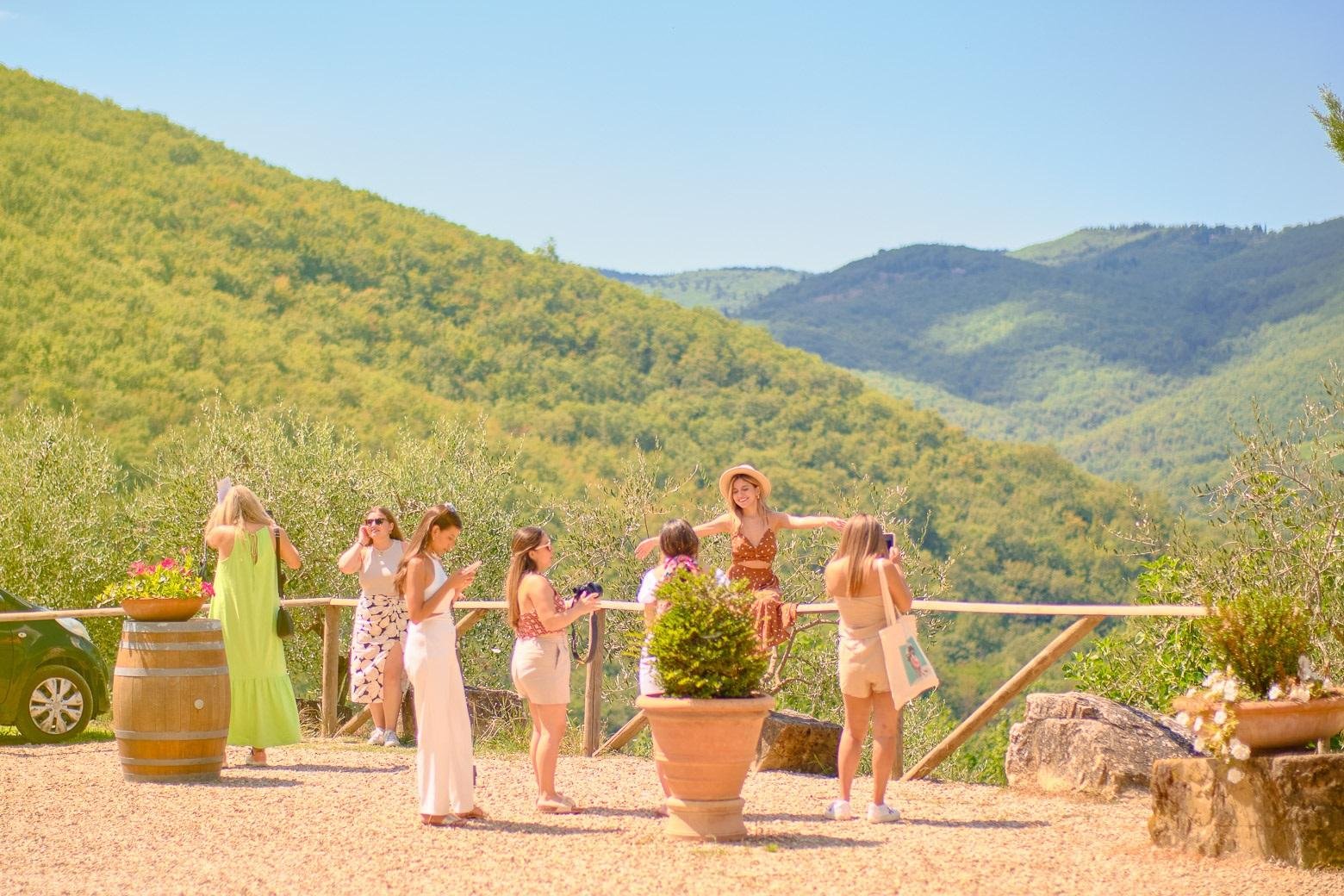
Stand at the edge of the vineyard rows during your tuscany wine tour and cooking class to capture the undulating landscape of central Italy.
Position your camera at a low angle near the wooden kneading board to photograph the rustic texture of handmade pasta dough.
Capture the geometric symmetry of stacked oak barrels in the cellar, utilizing the soft ambient light filtering through the stone corridors.
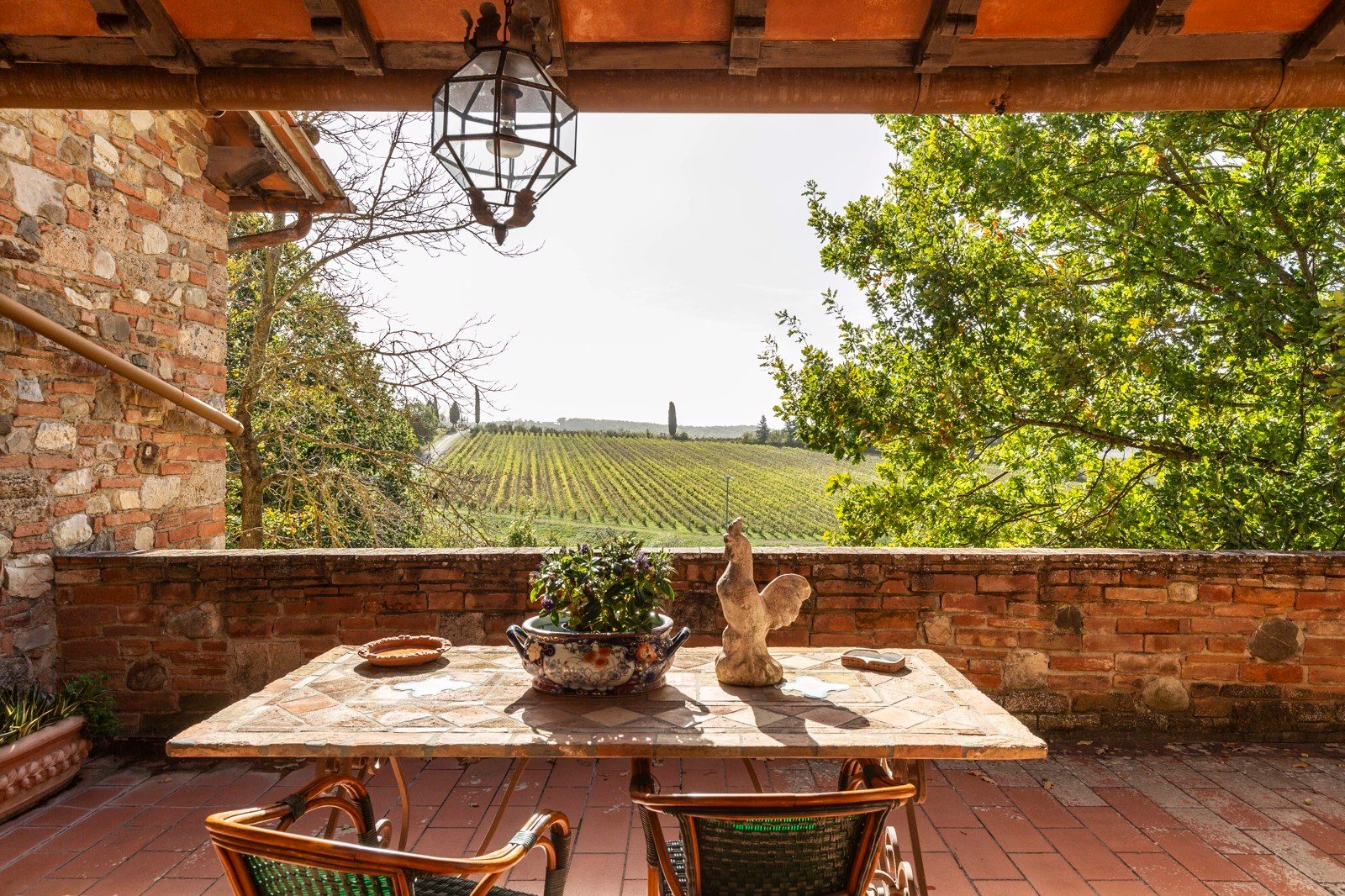
Frame the vine-covered pergola against the backdrop of distant cypress trees to showcase the classic setting of these tuscany wine tour and cooking class tours.
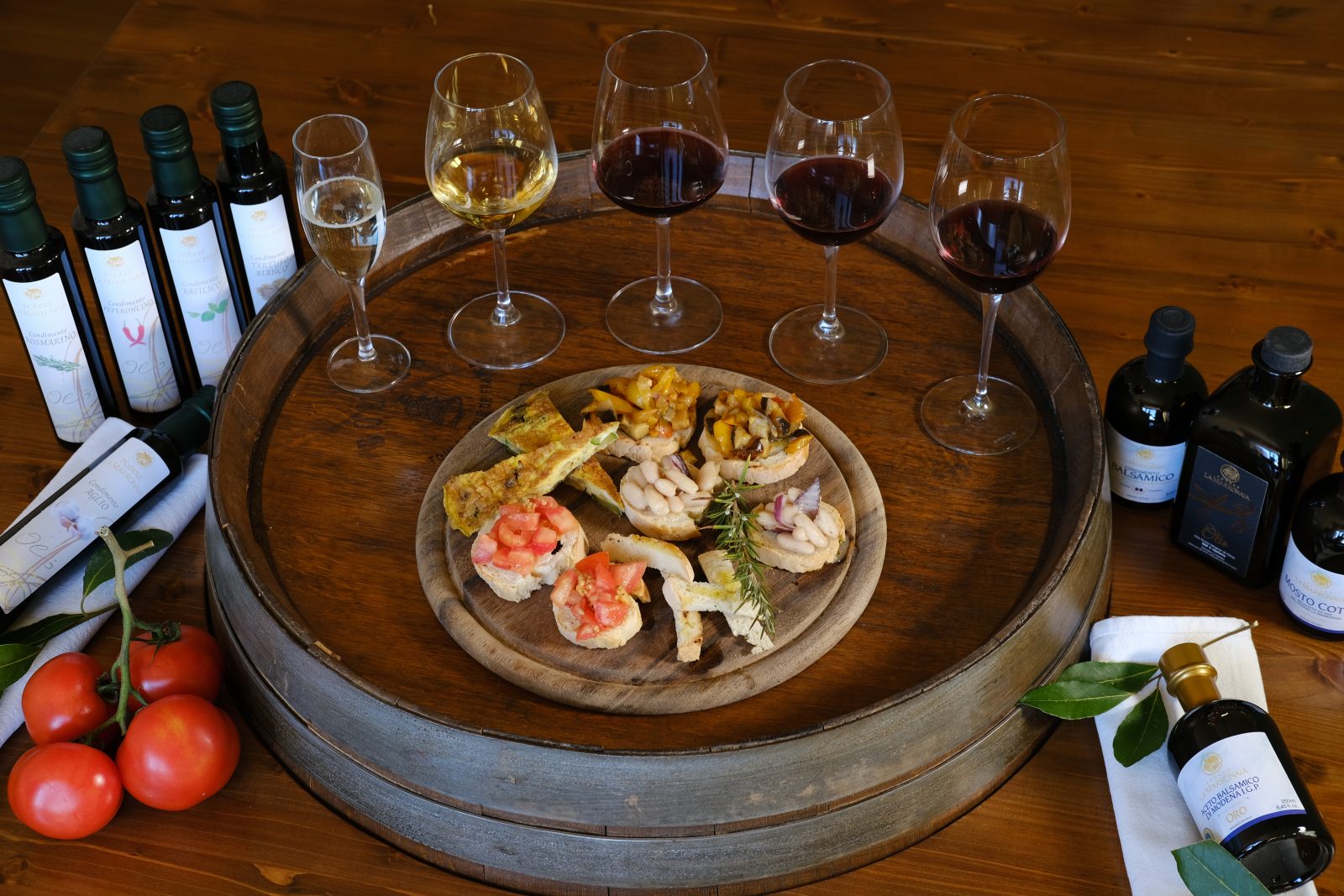
Focus on the artisanal glassware and local olives arranged on the table to document the details of your tuscany wine tour and cooking class tickets experience.
Planning a tuscany wine tour and cooking class allows families to experience authentic Italian farm life while engaging children in hands-on culinary traditions. Selecting private tuscany wine tour and cooking class tours often provides the flexibility needed to accommodate younger participants alongside adult wine enthusiasts.
Most hands-on pasta making sessions are suitable for children ages six and up, as they involve safe kitchen tools and simple dough preparation.
Request fresh grape juice or sparkling water for minors during your tuscany wine tour and cooking class ticketed tastings to ensure everyone feels included at the table.
To maximize your day, utilize the best arrival window of 09:00–10:00 to complete active cooking portions before the afternoon heat settles over the vineyards.
Wineries frequently provide garden-to-table snacks such as olives, focaccia, and fresh cheese, which serve as reliable food options for picky eaters during a tuscany wine tour and cooking class tour.
Since there is no standard entry fee, you only pay for the specific services booked, allowing parents to customize the schedule to suit their family energy levels.
Most guests participating in a tuscany wine tour and cooking class find that dining options are integrated directly into their experience at local estates. Since you are often situated in the countryside, it is recommended to plan for these farmhouse meals near your tuscany wine tour and cooking class tours.
Enjoy a traditional Tuscan lunch overlooking the vineyards featuring estate-grown ingredients. This is a common stop for those seeking authentic pasta and Chianti pairings after their tuscany wine tour and cooking class tickets.
Everything you need to know for your journey
Most providers operate from 09:00–18:00 daily across Tuscany.
No, there is no standard entrance fee of 0 EUR; all services are booked as individual tours or classes.
We recommend a 09:00–10:00 arrival to avoid mid-day heat and crowds.
Policies vary, so please verify specific age requirements for your selected tuscany wine tour and cooking class.
Wear casual, comfortable clothing and flat, closed-toe shoes.
Yes, you are encouraged to take photos during your tuscany wine tour and cooking class.
Cancellations are typically handled per the operator's policy, often offering full refunds if requested 24-48 hours prior.
Yes, meals and tastings are included in the price of your tuscany wine tour and cooking class.
Most visitors arrive by private car or pre-arranged taxi to reach their chosen tuscany wine tour and cooking class location.
Expansive rolling hills known for world-class Sangiovese production.
A historic abbey surrounded by ancient cypress trees.
Boutique stays located in the heart of the wine region.
Traditional farm stays offering authentic local hospitality.
Join thousands of happy travelers who have discovered this incredible experience
Book Your Experience Now