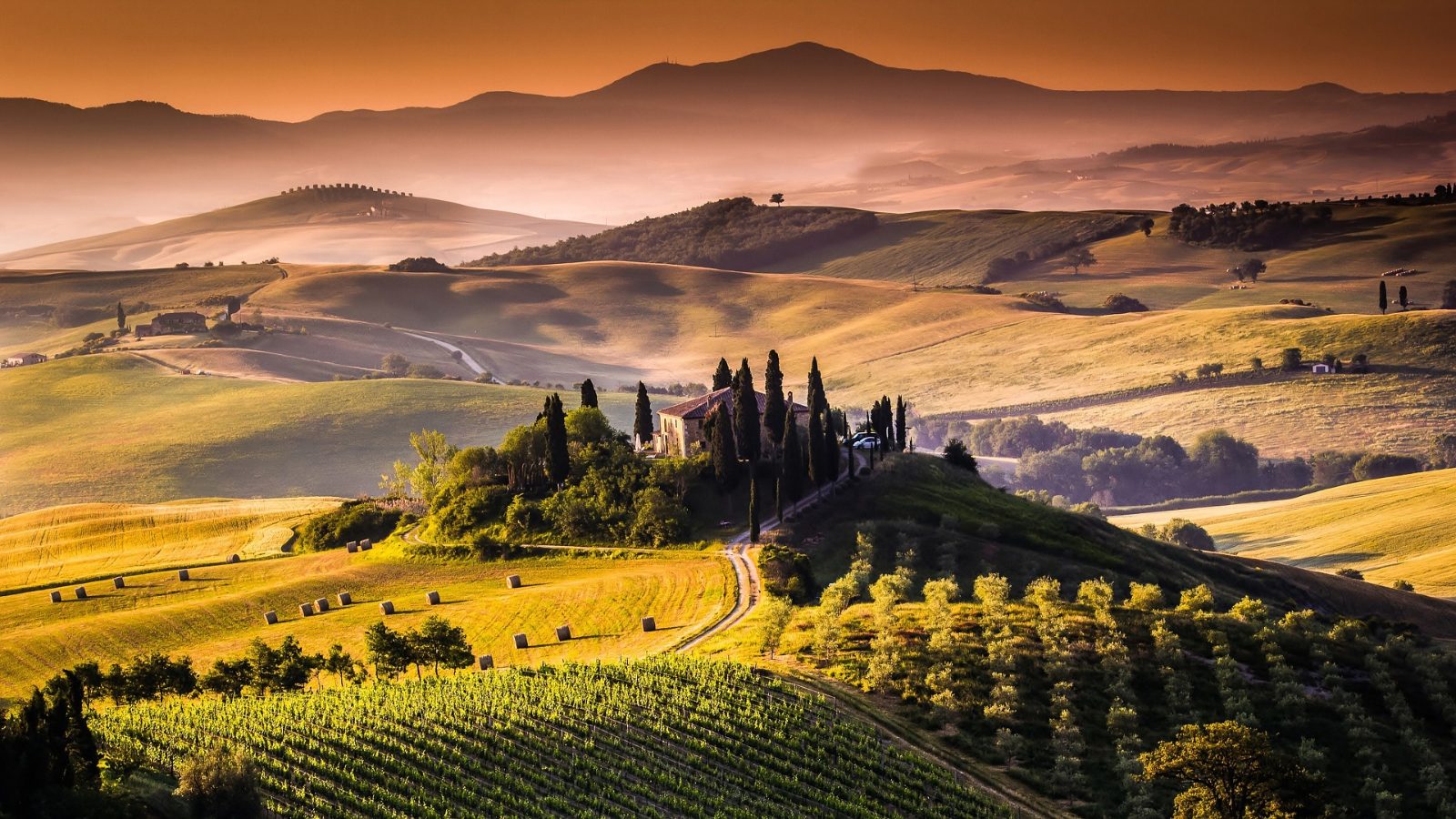
6 hr 30 min
Chianti Wine Region Tour from Florence
- Expert local guide
- Small group
- Skip-the-line access
- Free cancellation
Montepulciano Wine Tours — Vino Nobile Cellars & Renaissance Hill Towns
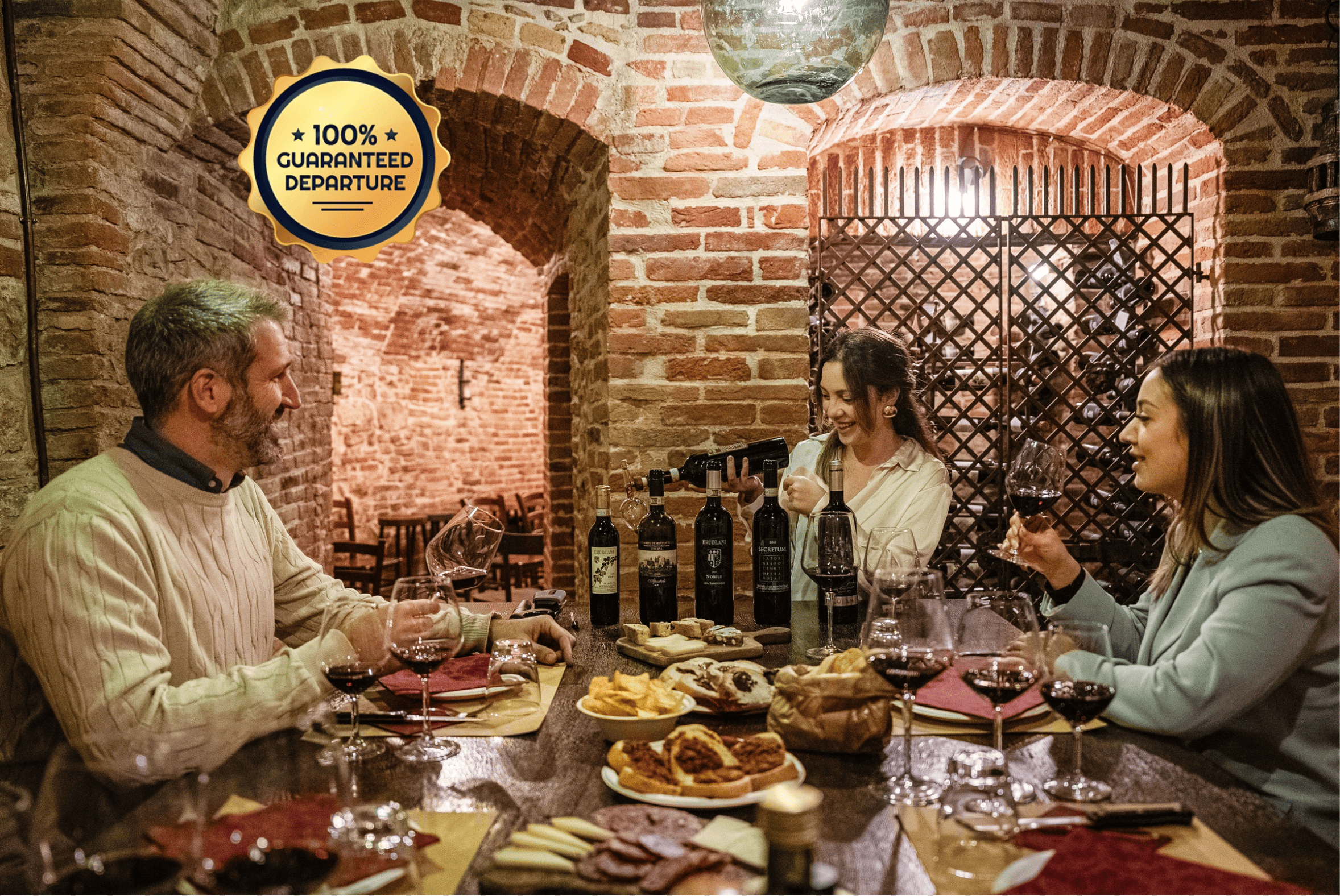
Medieval stone cellars beneath palazzo walls, Vino Nobile poured at family estates
Compare fares, pick the fit — all bookings are mobile-voucher and eligible for free cancellation where shown.
6 hr 30 min
12 hr
12 hr
Visitors planning tuscany wine tours montepulciano can choose between flexible self-guided explorations or structured winery visits to appreciate the region's heritage. Whether you seek a casual stroll through the historic town or a deeper immersion in underground cellars, selecting the right tuscany wine tours montepulciano tickets ensures a seamless experience.
| Self-Guided Access Town & Public Areas |
Top pick Guided Cellar Tour Winery Experience |
|
|---|---|---|
| Entry Fee | 0 EUR | Varies by venue |
| Access Method | Public thoroughfare | Reservation required |
| Wait Time | None | Advance booking recommended |
| Areas Included | Historic town streets | Private underground cellars |
| Best for | First-timers | Wine enthusiasts |
| See tickets & prices |
Verdict: For the most complete tuscany wine tours montepulciano tour, we recommend the Guided Cellar Tour to access exclusive subterranean heritage sites.
Worth it for wine enthusiasts and Tuscan culture seekers
Montepulciano itself costs nothing to visit—the historic town center charges no entrance fee—but tuscany wine tours montepulciano deliver the real value through guided wine experiences in surrounding vineyards. Multi-region tours like the Tuscany Grand Tour pair Montepulciano with Siena and San Gimignano, offering winery lunches and Vino Nobile tastings for comprehensive day itineraries from Florence. Standalone Chianti wine tasting tours provide focused cellar visits and sommelier-led sessions. The hilltown's medieval architecture and Piazza Grande add cultural weight beyond the wineries. Tours work best for travelers who want curated access to producers—independent visits require advance booking and transport logistics. Montepulciano wine tours make sense if you're prioritizing Vino Nobile DOCG tastings and Renaissance townscapes over coast or countryside alternatives, especially during autumn harvest season when cellars open special programs.
Bottom line: Book a structured tour if wine education matters; skip if you're after coastal Tuscany or prefer spontaneous exploration.
They complement each other, but most visitors who prioritize a vibrant town atmosphere and diverse cellar accessibility call Montepulciano the more versatile choice. Travelers seeking deep, prestige-focused tastings in a quieter setting often find the Montalcino wine tour experience more rewarding.
|
Top pick Montepulciano Tours |
Montalcino Tours | |
|---|---|---|
| Flagship Wine | Vino Nobile di Montepulciano | Brunello di Montalcino |
| Primary Grape | Sangiovese (Prugnolo Gentile) | 100% Sangiovese (Brunello) |
| Town Vibe | Lively and Renaissance | Quiet and fortress-focused |
| Typical Price | 25€–65€ (varies) | 40€–150+€ (varies) |
| Best For | History and accessibility | Serious wine connoisseurs |
| Min. Cellar Ageing | 2 years | 5 years |
| Town Entrance | 0 EUR (Free) | 0 EUR (Free) |
| Primary Transport | Car or guided bus | Car or guided bus |
| See tickets & prices |
Verdict: Choose Montepulciano for a mix of architecture and approachable reds, or pick Montalcino for world-class, structured wines and a more secluded, professional tasting environment.
Hand-picked experiences loved by thousands of travelers
4.5 hours
Free Cancellation
Explore two celebrated Tuscan wineries with guided tastings, olive oil sampling, and local food pairings
11 hours
Free Cancellation
Journey through medieval hill towns, taste fine Chianti wines, and savor a farm-fresh Tuscan lunch
7.5 to 8 hours
Free Cancellation
Small-group expedition through Chianti's organic vineyards with wine tastings and authentic meal
12 hours
Free Cancellation
Journey through UNESCO-listed Val d'Orcia with visits to medieval hilltop towns and tastings at two wineries
1 hour
Free Cancellation
Discover Tuscan winemaking heritage in a medieval hilltop village through guided cellar exploration and premium wine sampling
4 hours
Free Cancellation
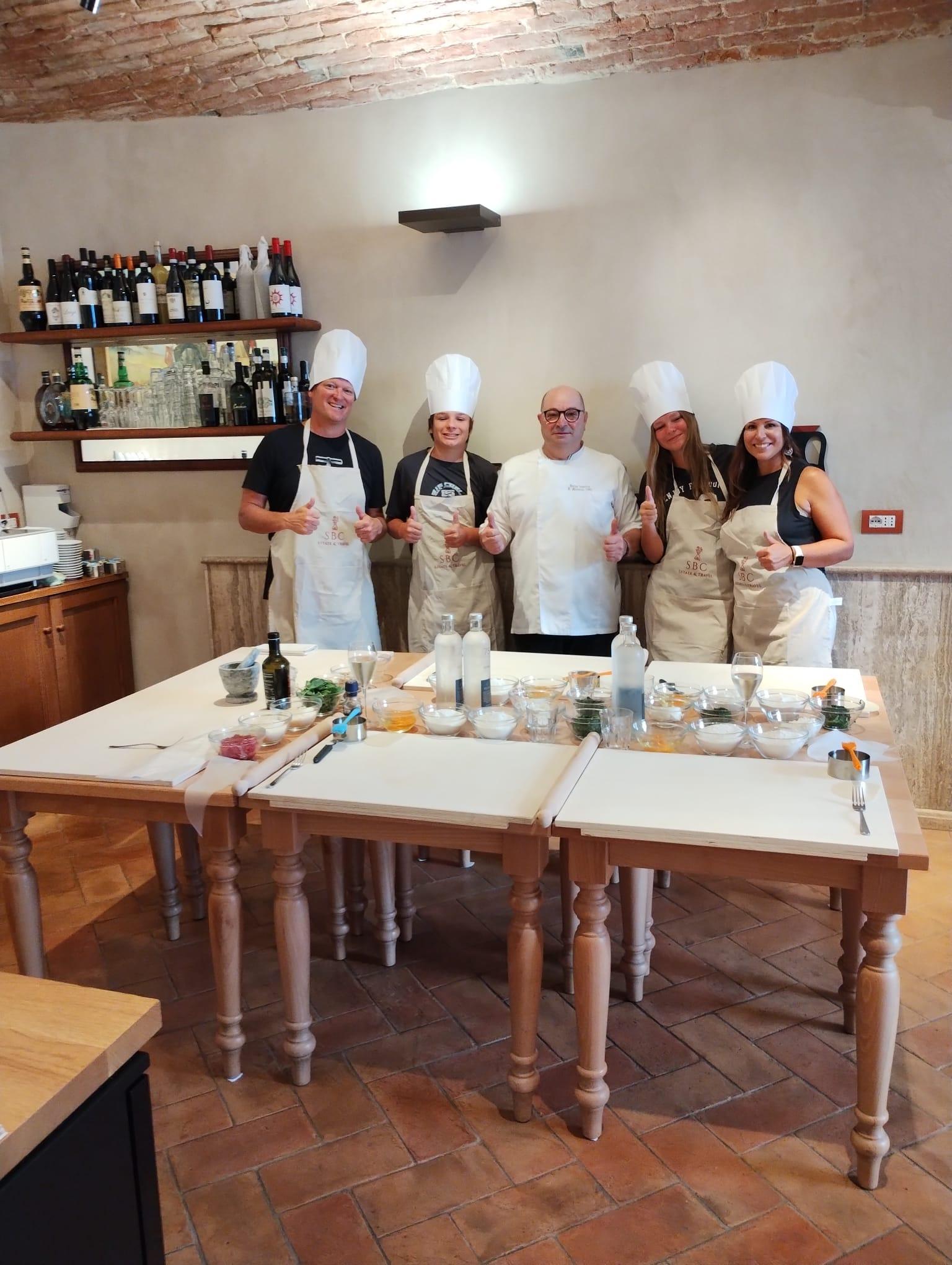
Master the art of Italian pasta-making in a historic trattoria with a local chef and seasonal ingredients
10.5 hours
Free Cancellation
Explore UNESCO-listed Tuscan countryside with Brunello tastings, medieval villages, and a gourmet lunch
4 hours
Free Cancellation
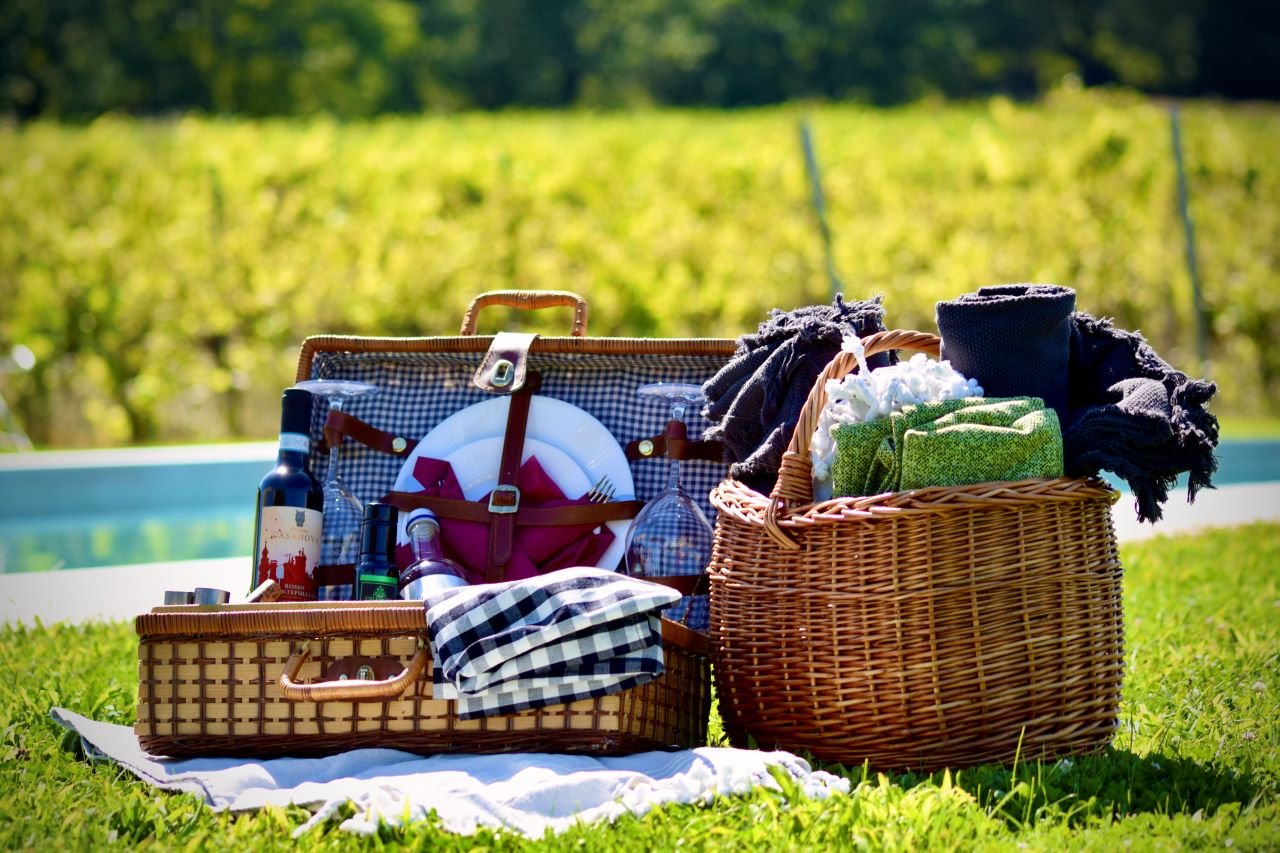
Tour a traditional Montepulciano winery, then savor local delicacies during a scenic vineyard picnic
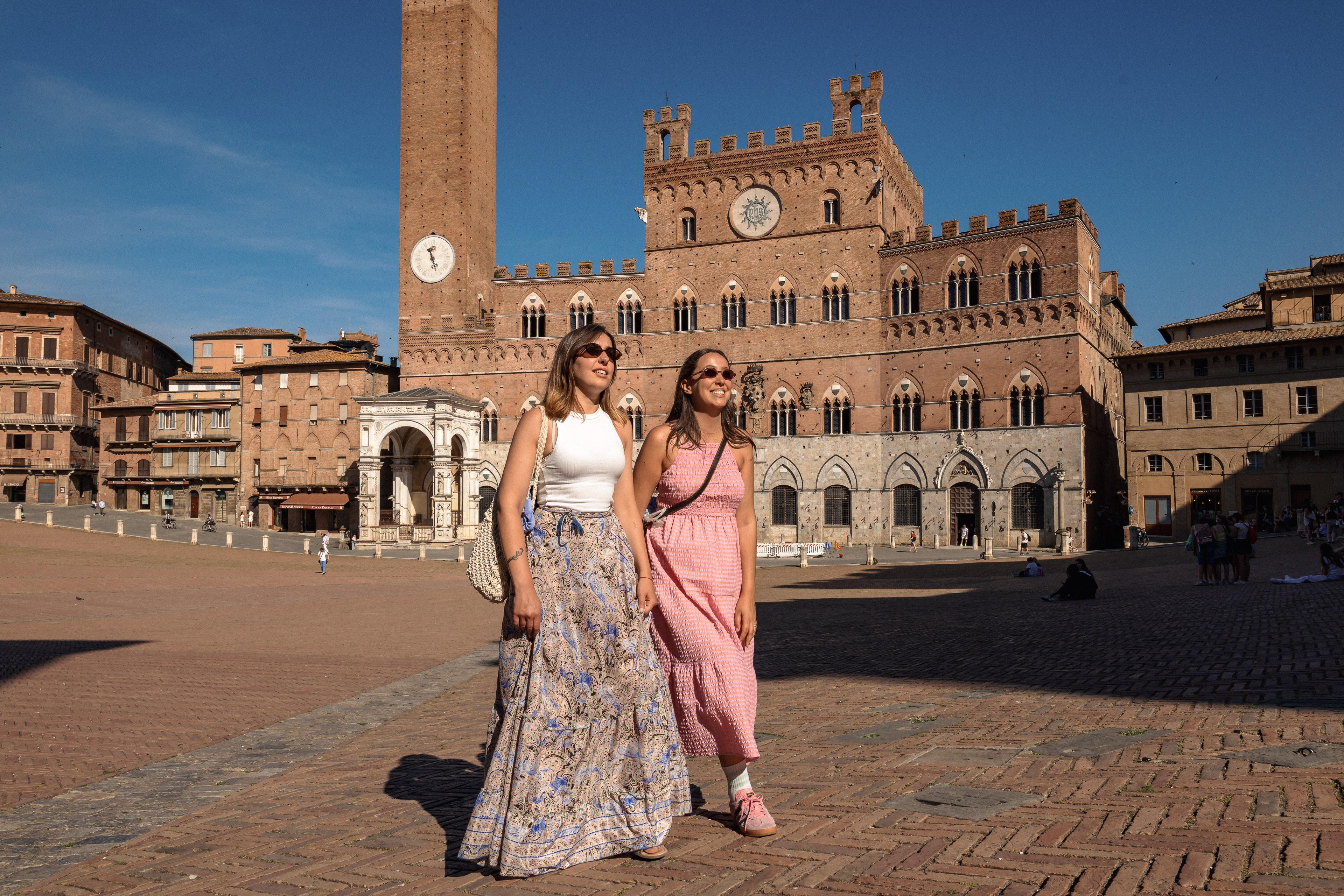
Arrive at Piazza Grande via the main entrance
Walking the historic center to understand the layout
Visiting local cellars for tasting sessions
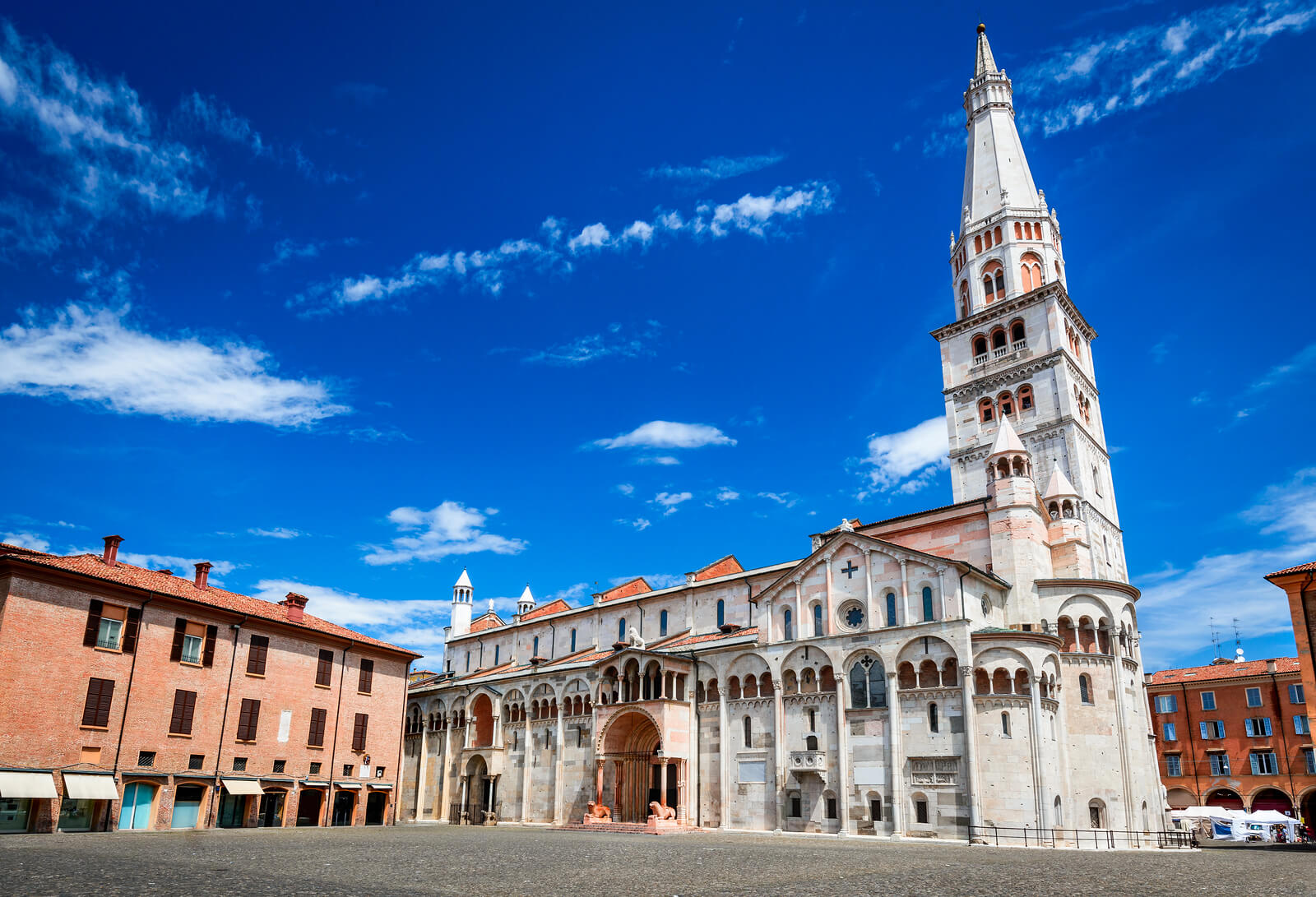
This cathedral houses significant artistic works and provides a quiet space for reflection within the town.
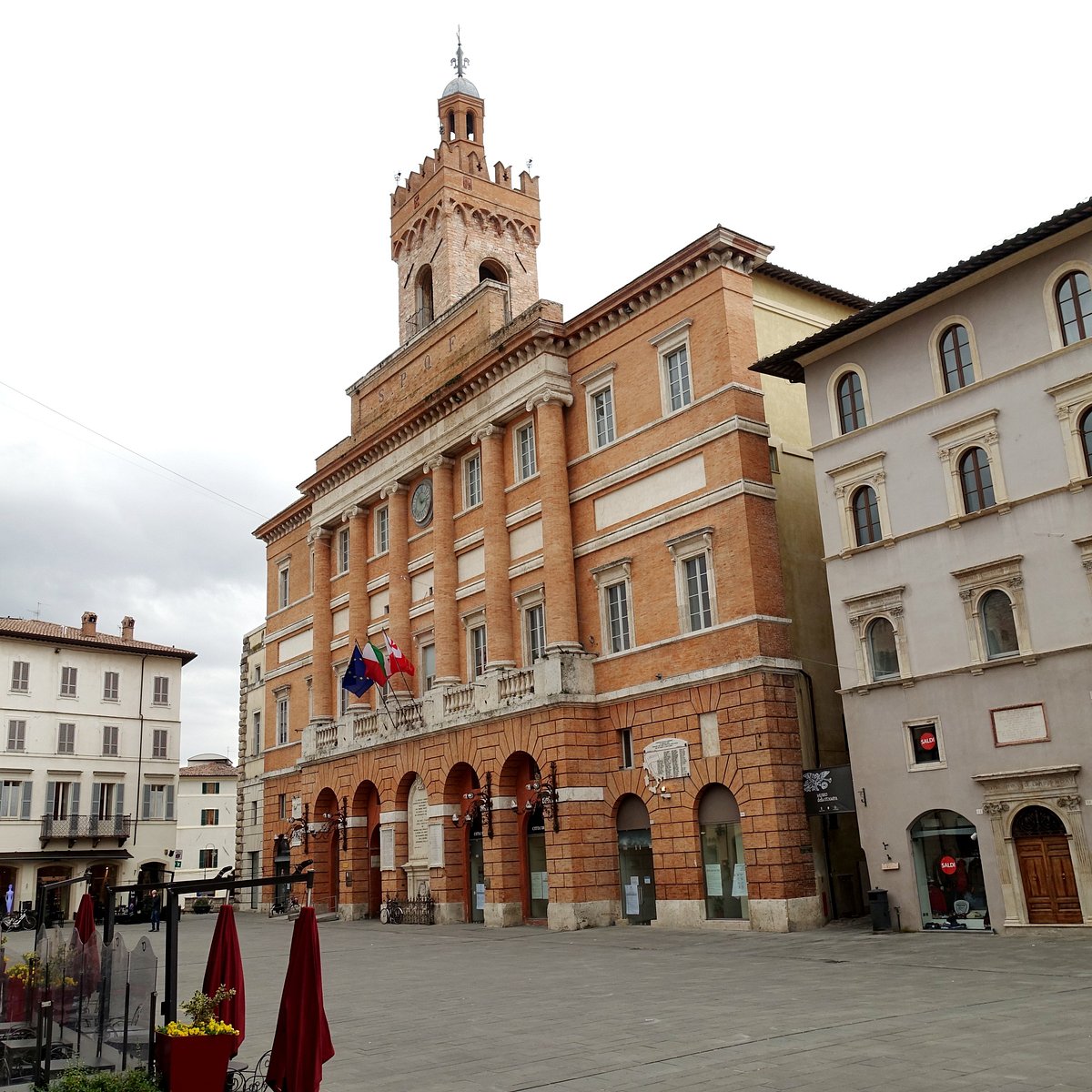
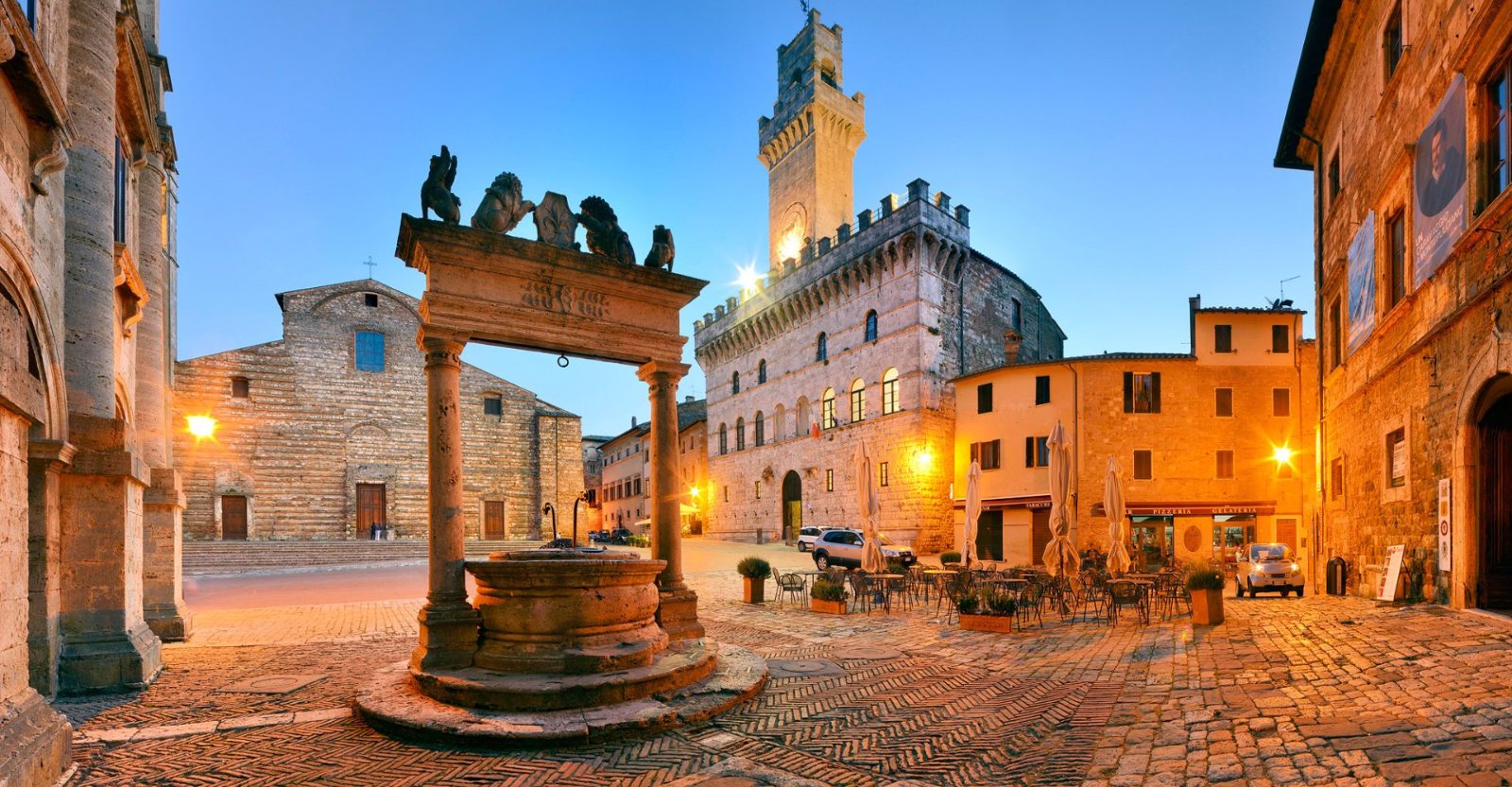
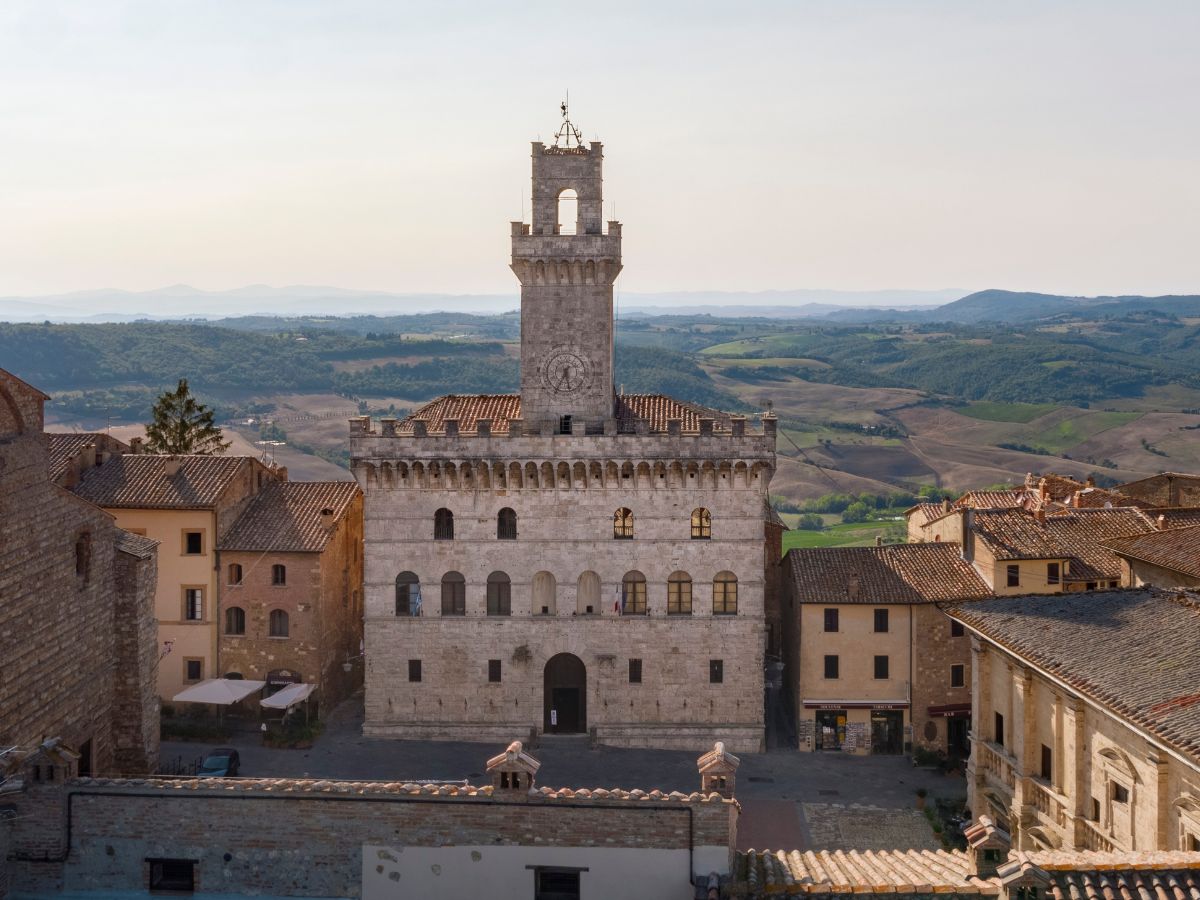
The historic town hall features a clock tower that offers a central reference point for visitors.
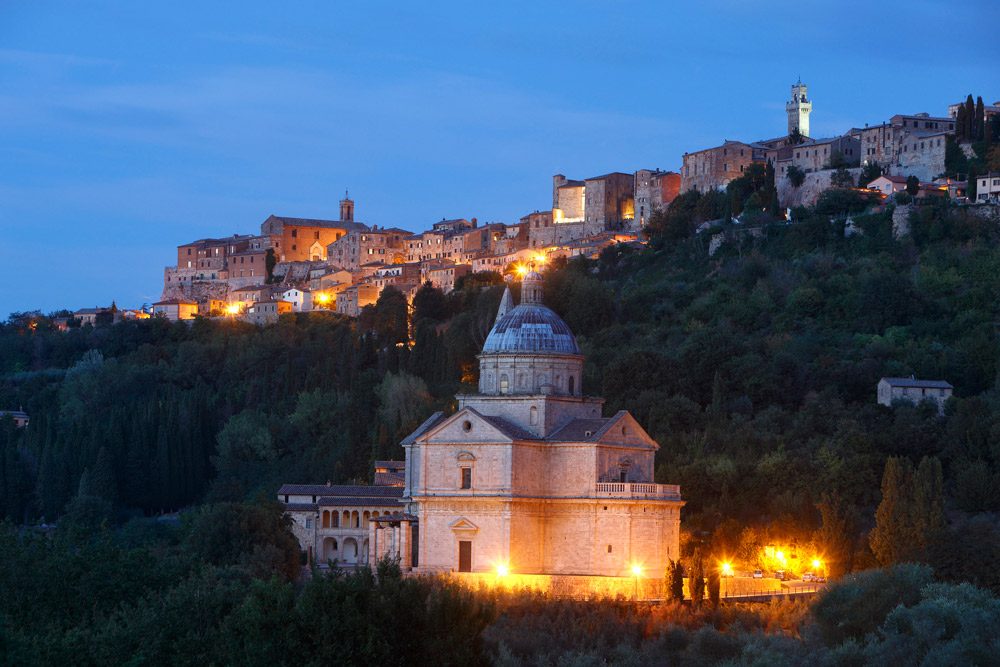
Located just outside the walls, this structure is a prime example of Renaissance architectural precision.
Serving as the focal point of the town, this square hosts cultural events throughout the year.
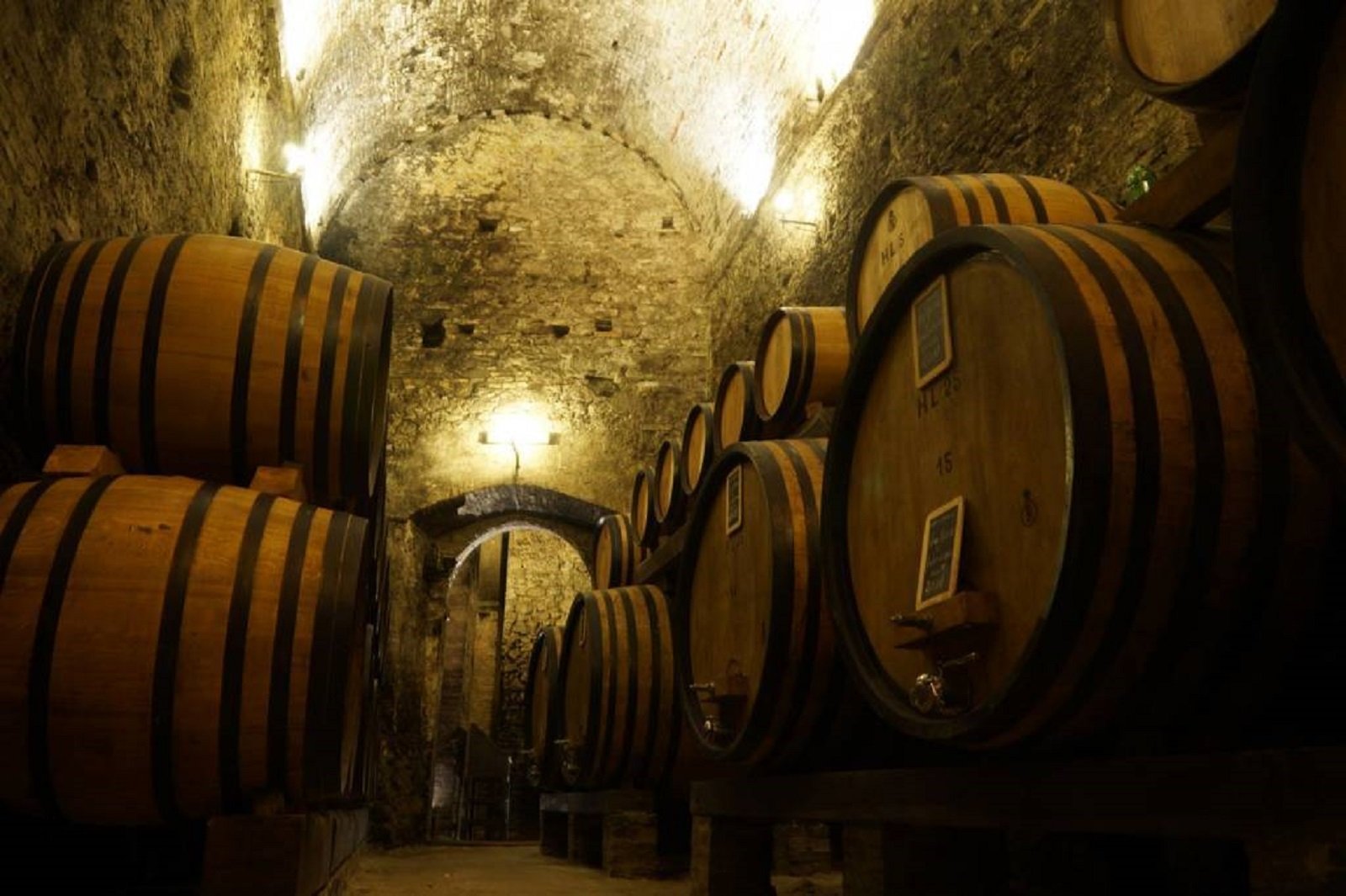
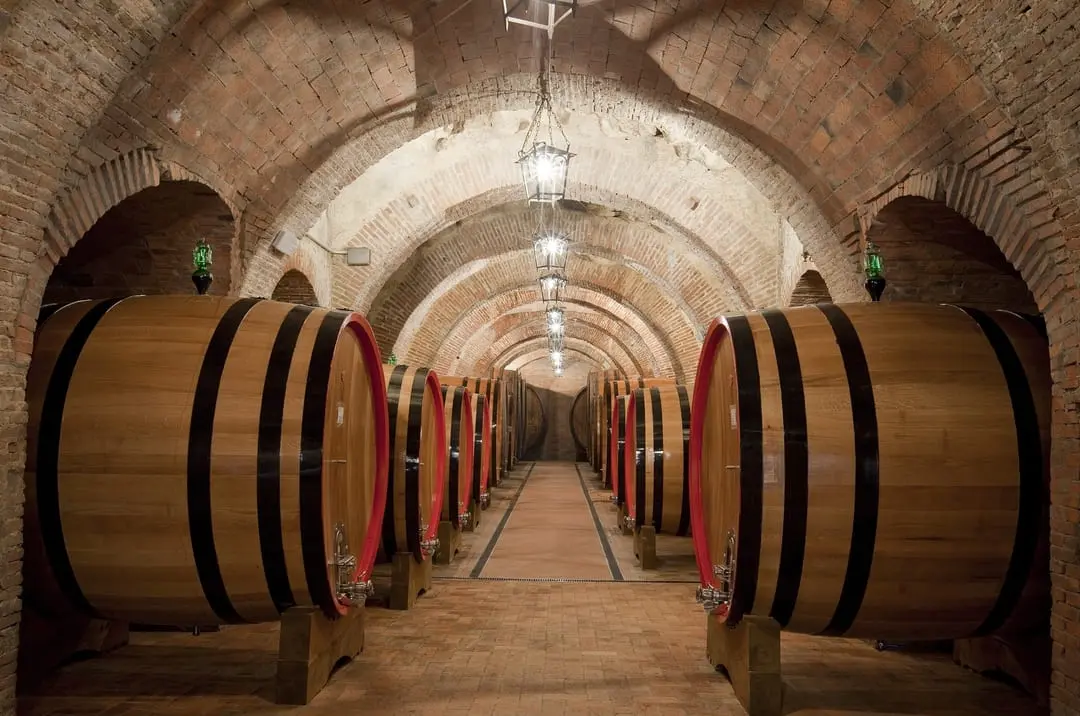
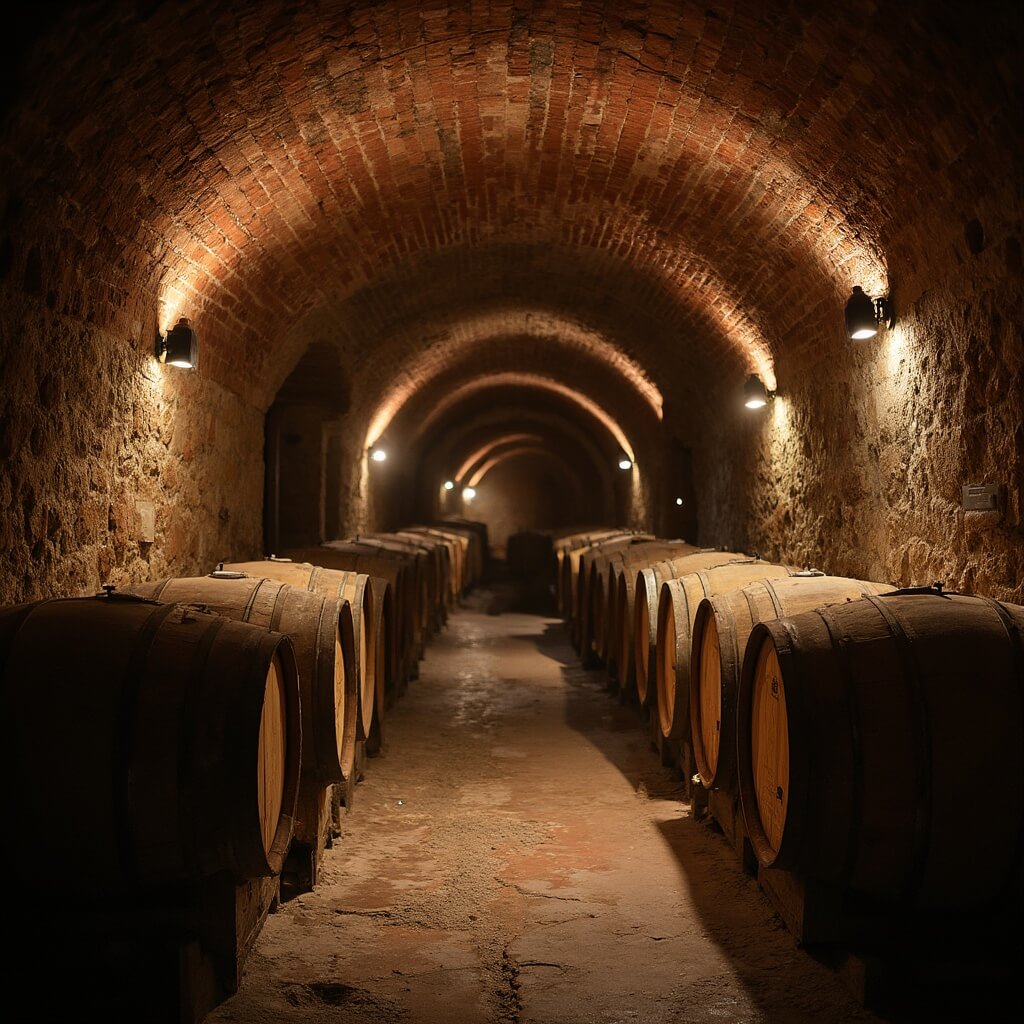
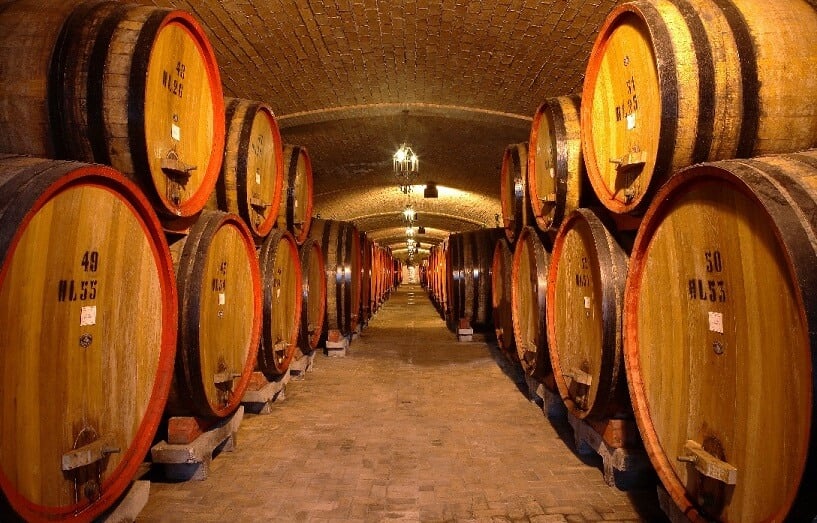
Dating back centuries, these subterranean chambers are essential for aging local vintages.
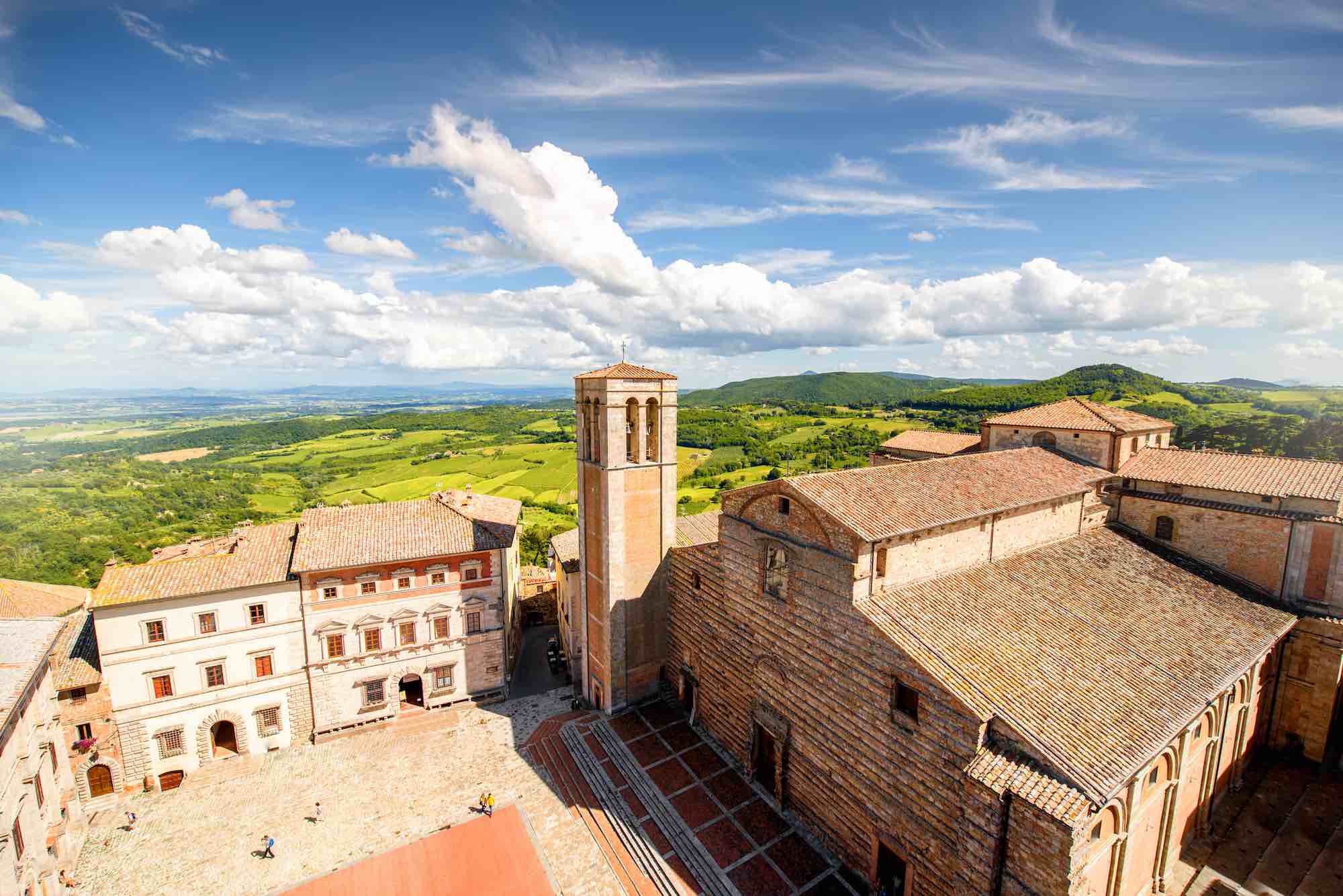
You arrive in Piazza Grande mid-morning, when September light cuts across the Palazzo Comunale's crenellations and the cathedral's raw brick glows ochre. A cantina entrance, marked only by a wooden door and a brass plaque, opens onto a stone staircase descending 12 metres into tufa.
The temperature drops 10 degrees as you reach the barrel room, where Slavonian oak casks line vaulted ceilings blackened by decades of evaporation.
Your host — often the winemaker or a third-generation family member — pours three vintages: a 2021 Rosso di Montepulciano, fresh and bright; a 2019 Vino Nobile, its tannins softening after four years; and a 2016 Riserva, its tobacco and dried cherry profile fully resolved. You taste methodically, swirling against candlelight, noting how clay-limestone terroir shapes each glass. Between pours, you walk past 2,000-litre botti, their staves marked with chalk dates.
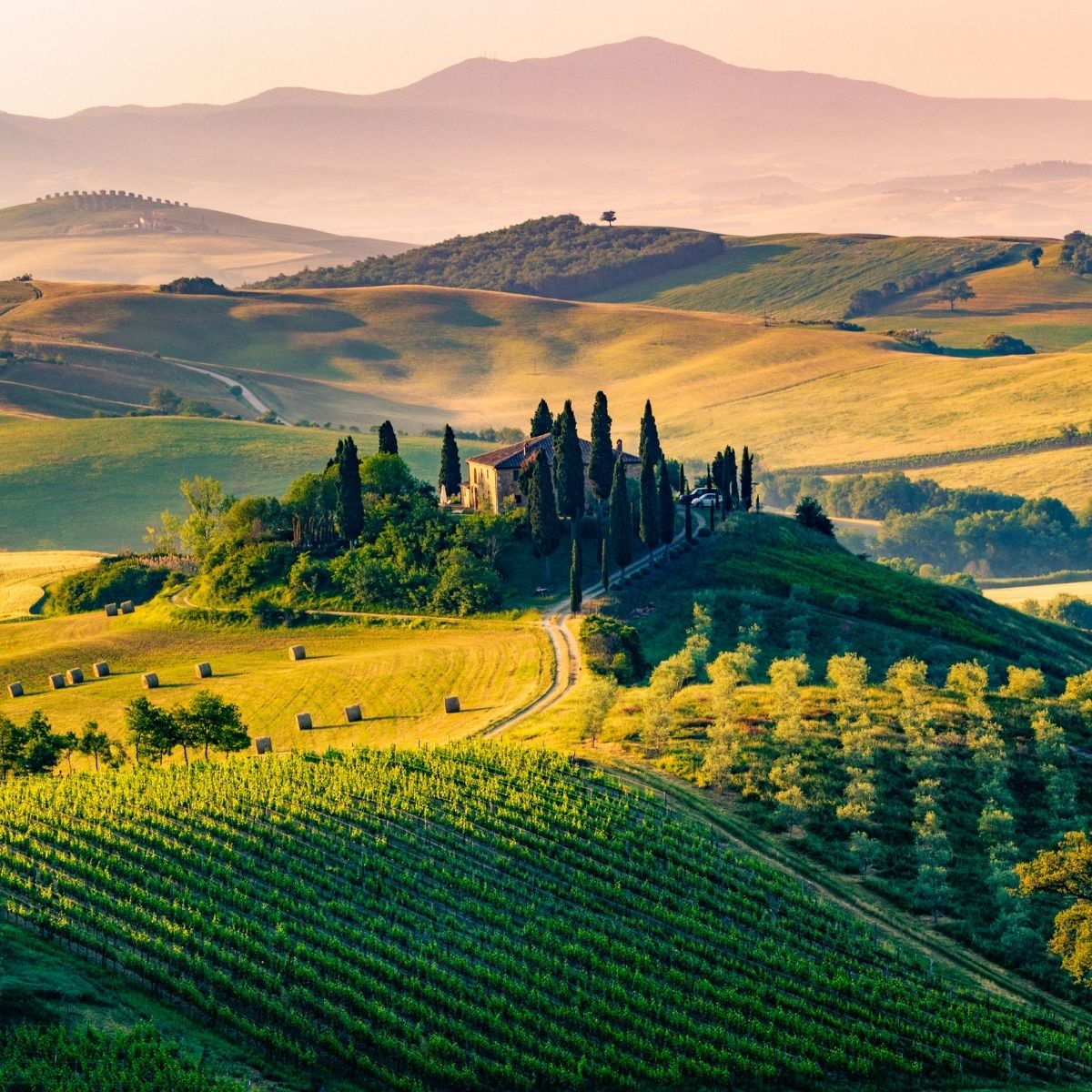
Above ground again, you climb Via di Gracciano to a second estate, where the tasting room overlooks Val d'Orcia's quilted fields. Here, Prugnolo Gentile is poured alongside local pecorino and Tuscan salamis, the pairing protocol designed to showcase the wine's structure. You leave with a case of the 2019 vintage — a year the Consorzio rated exceptional — and coordinates for two additional producers along the Strada del Vino Nobile, their addresses written on the back of a hand-drawn map.
All the details about your upcoming adventure in one place
Montepulciano sits 605 metres above the Val d'Orcia, its 16th-century walls enclosing Renaissance palazzos and a labyrinth of volcanic stone cellars that age Vino Nobile, the DOCG red first regulated in 1980 but cultivated since the 8th century.
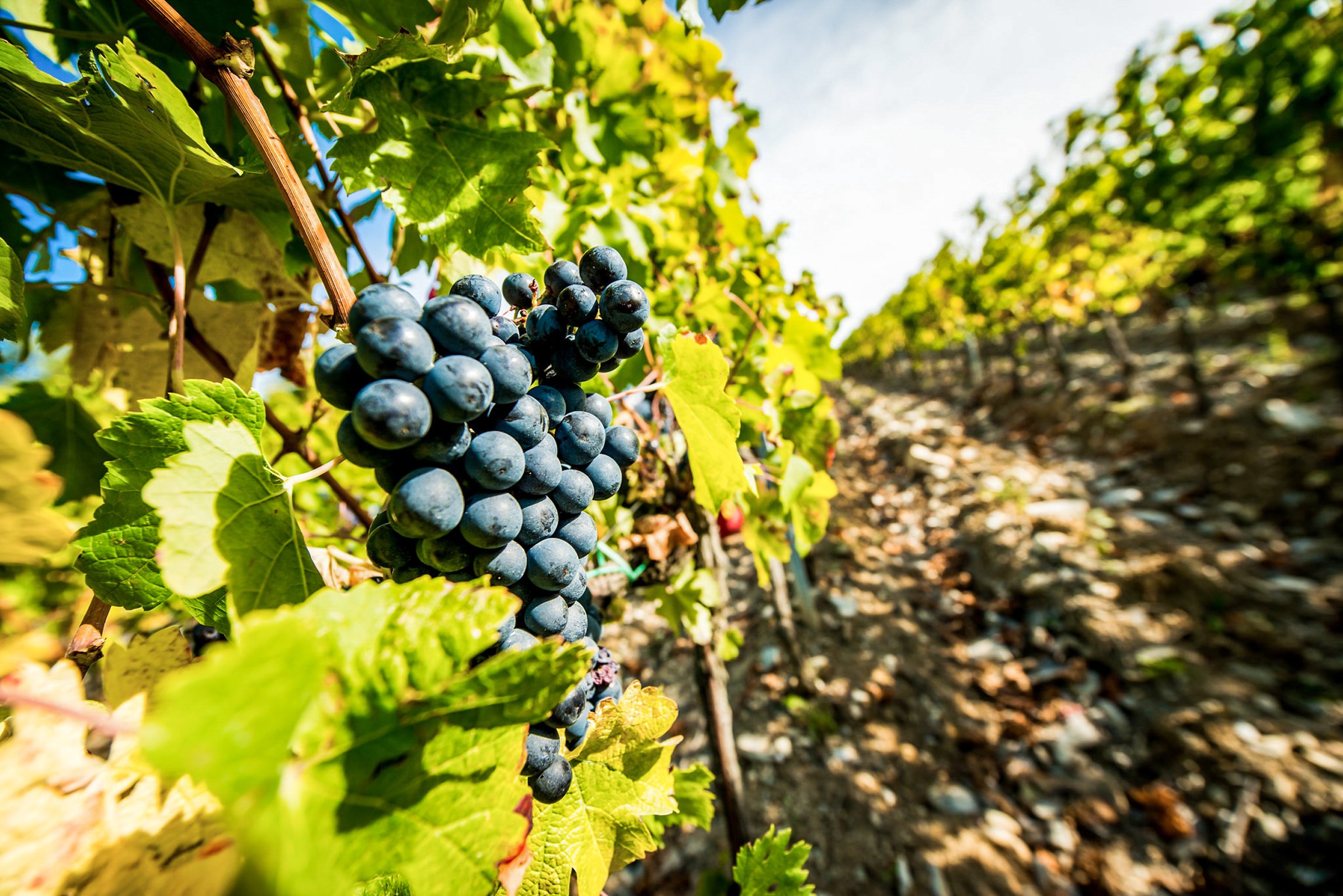
The Sangiovese clones grown here — locally called Prugnolo Gentile — differ genetically from Chianti's vines, producing darker tannins and a structure that demands two years in oak and three in bottle before release.
Tuscany wine tours Montepulciano anchor themselves in Piazza Grande, where Antonio da Sangallo the Elder's unfinished cathedral façade faces the Gothic Palazzo Comunale. Below the piazza, cantinas tunnel 15 metres into tufa, their vaulted ceilings maintaining the 14–16°C necessary for slow barrel evolution. Contucci, operating since 1700, opens its cellars to visitors who descend stone stairs into chambers lined with Slavonian oak botti, each holding 2,000 litres. The family still hand-punches the cap during fermentation, a practice abandoned by most commercial estates in the 1980s.
The appellation spans 1,200 hectares across thirteen comuni, but Montepulciano's elevation and clay-limestone soils produce the most structured expressions. Harvest occurs late September through October — two weeks after Chianti — allowing Prugnolo Gentile to achieve the phenolic ripeness that gives Vino Nobile its characteristic black cherry and tobacco profile. Riserva bottlings require four years total aging, three in wood. The 2019 vintage, rated exceptional by Consorzio standards, entered the market in 2023 and remains available at cellar doors.
Day trips from Florence, 115 kilometres northwest, pair Montepulciano cellars with Pienza's pecorino producers or Montalcino's Brunello estates, creating a triangle of Tuscan DOCG zones within 40 kilometres. Winery visits include vertical tastings of current and back vintages, allowing comparison across the 2015, 2016, and 2019 growing seasons. The Strada del Vino Nobile, marked by ceramic tiles, connects 89 producers, though only 22 maintain public tasting rooms. August sees the Bravio delle Botti, a barrel-rolling race through the contrade, when cellars close for the afternoon ferragosto.
Montepulciano's economy shifted from grain to wine in the 1960s, when cooperative bottling replaced bulk sales to Chianti blenders. Today, 70% of production exports to northern Europe and North America, but the cellars beneath Piazza Grande remain family-run, their tasting protocols unchanged since the Consorzio's founding in 1965. Visitors encounter no appointed guides — estate owners or cellar masters pour directly, often opening library bottles not listed on the standard menu.
The Sangiovese clones grown here produce darker tannins and a structure that demands two years in oak and three in bottle before release.
Casual and comfortable attire is recommended for your tuscany wine tours montepulciano. Sturdy footwear is advised due to the steep, cobblestone streets found throughout the historic center.
Travelers joining tuscany wine tours montepulciano should carry only essential items. Large luggage is discouraged as the town's architecture involves narrow corridors and steep inclines.
Photography is permitted in public spaces during your tuscany wine tours montepulciano. Please remain respectful of private residences and local businesses while capturing the scenery.
The area is welcoming to families, though strollers may be difficult to maneuver on the historic inclines. Engaging children in the local history is a common part of many tuscany wine tours montepulciano experiences.
The historic town presents challenges for those with limited mobility due to steep gradients and uneven surfaces. Visitors on tuscany wine tours montepulciano should plan routes utilizing flatter paths where available.
Consumption of food and drink is permitted in public areas, though visitors are expected to dispose of trash responsibly. Many local establishments are included as stops on organized tuscany wine tours montepulciano itineraries.
Opening Hours
00:00–23:59
Address
Piazza Grande, 1, 53045 Montepulciano SI, Italy
Entry Fee
0 EUR
Best Arrival
09:00–11:00
Official Site
https://www.comune.montepulciano.si.it/
Public transport · Variable · Moderate cost
Regional buses connect to nearby stations like Chiusi-Chianciano Terme.
Car · Variable · Parking fee applies
Parking is available outside the historic town walls at designated lots.
Since entrance to the historic town is 0 EUR, no cancellation fees apply for general site access. Please check your specific tour operator agreement for refund terms regarding private tastings.
Recommended time
Half a day
To experience the best of the region, plan for a half-day visit which allows time for both historic cellar visits and exploring local landmarks. Arriving within the 09:00–11:00 window ensures a relaxed pace as you begin your tuscany wine tours montepulciano, avoiding the peak influx of afternoon visitors. Those seeking a comprehensive montepulciano historic town tour should allocate extra time for quiet walks through the medieval streets. Whether you are using tuscany wine tours montepulciano tickets for an underground tasting or browsing artisan shops, balancing your itinerary helps manage crowds effectively.
Crowd levels through the day
Weather · crowds · average price — dots go green to amber to red as each metric rises.
Mild temperatures and blooming vineyards create a pleasant atmosphere for tours. Ideal for those avoiding summer crowds.
Warm weather with longer daylight hours. Expect higher visitor volumes during peak months.
The harvest season brings vibrant colors to the landscape and peak activity to local wineries. Crisp air is perfect for walking.
Cooler and quieter, offering a serene experience for those focused on cellar visits rather than outdoor exploration.
Arriving between 09:00–11:00 ensures a cooler visit and easier navigation of the steep terrain. This avoids the peak heat of the afternoon.
Prioritize supportive walking shoes to manage the stone inclines throughout the historic district. Leave heels at the hotel.
Download an offline map of the town to ensure you stay oriented during your tuscany wine tours montepulciano experience. Cellular signal can fluctuate in narrow alleys.
Always greet shop owners and cellar staff with a polite 'Buongiorno'. It is highly valued in Italian culture.
Locate public water fountains to refill your bottle during your tuscany wine tours montepulciano. This is a sustainable and cost-effective practice.
Piazza Grande, 1, 53045 Montepulciano SI, Italy
Central square near the Duomo
Get directionsMontepulciano's wine heritage descends from the Etruscans, who carved sprawling cellars into the volcanic tufa beneath the hilltop settlement as early as the 4th century BCE. These subterranean galleries, some extending three stories below street level, maintained the stable cool temperatures essential for aging wine in clay amphorae. When Roman legions annexed the territory in the 3rd century BCE, they expanded production and exported what they called "Vinum Pucinum" across the empire. The medieval commune formalized viticulture statutes in 1350, mandating Sangiovese cultivation on south-facing slopes and prohibiting inferior varietals within township boundaries. By 1549, Pope Paul III's personal physician declared Montepulciano's wine superior to all rivals, a judgment that secured papal patronage and export privileges. The Contucci family established Tuscany's oldest continuous cellar operation in 1600, storing barrels in the Etruscan tunnels their ancestors had hollowed two millennia earlier. Phylloxera devastated the vineyards between 1880 and 1895, destroying over seventy percent of rootstock and forcing growers to replant with grafted American vines. The 1933 introduction of large Slavonian oak botti for extended aging distinguished Vino Nobile from neighboring Chianti, and the 1966 DOC designation imposed strict production standards. Modern tuscany wine tours montepulciano emerged in the 1980s when historic cellars opened their Etruscan tunnels to visitors, pairing tastings of Vino Nobile and Rosso di Montepulciano with archaeological context. Today, guided wine tours in Montepulciano descend into the same labyrinthine cantinas where amphorae once stood, connecting ancient winemaking techniques to contemporary DOCG-certified vintages. The layered cellars, Renaissance palazzi, and Piazza Grande tasting rooms preserve twenty-six centuries of unbroken viticultural tradition.
Etruscans carve multi-level tufa cellars beneath the hilltop settlement for wine storage.
Roman annexation expands Vinum Pucinum production and establishes imperial export routes.
Medieval commune enacts viticulture statutes mandating Sangiovese on designated slopes.
The Contucci family founds Tuscany's oldest continuous cellar in the ancient Etruscan tunnels.
Phylloxera epidemic destroys seventy percent of vineyards, forcing replanting with grafted rootstock.
DOC designation codifies Vino Nobile production standards and territorial boundaries.
Historic estates open subterranean cellars to public tuscany wine tours montepulciano, linking archaeology to tasting.
The central square features the cathedral facade and the town hall tower as iconic subjects for those on tuscany wine tours montepulciano. Stand near the central fountain to capture the interplay of Renaissance architecture against the open sky.
Descend into these historic brick tunnels to photograph the rows of aging oak barrels and dark, vaulted stone ceilings common in a typical Montepulciano wine tasting tour. Use a low aperture to emphasize the depth of these subterranean corridors.
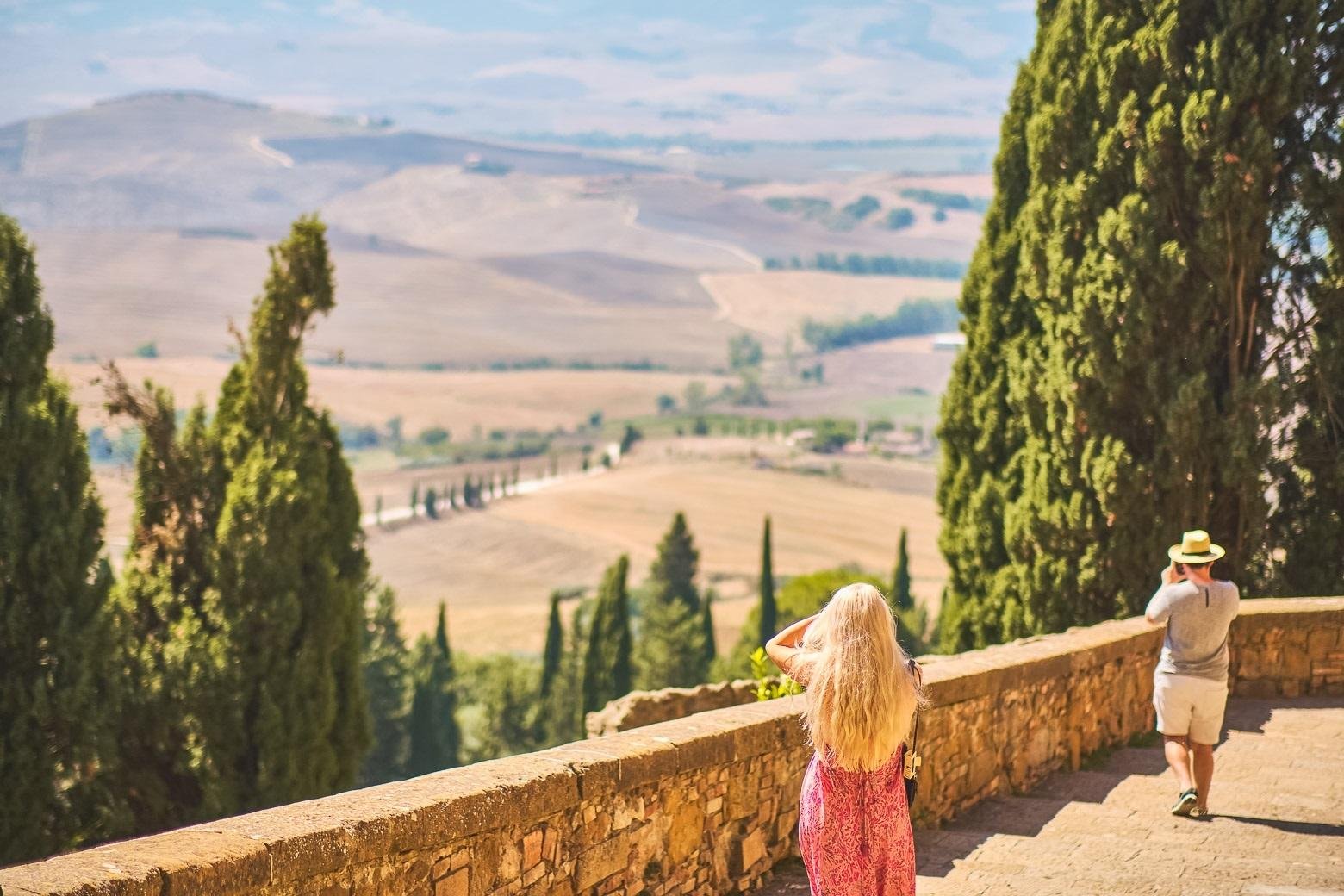
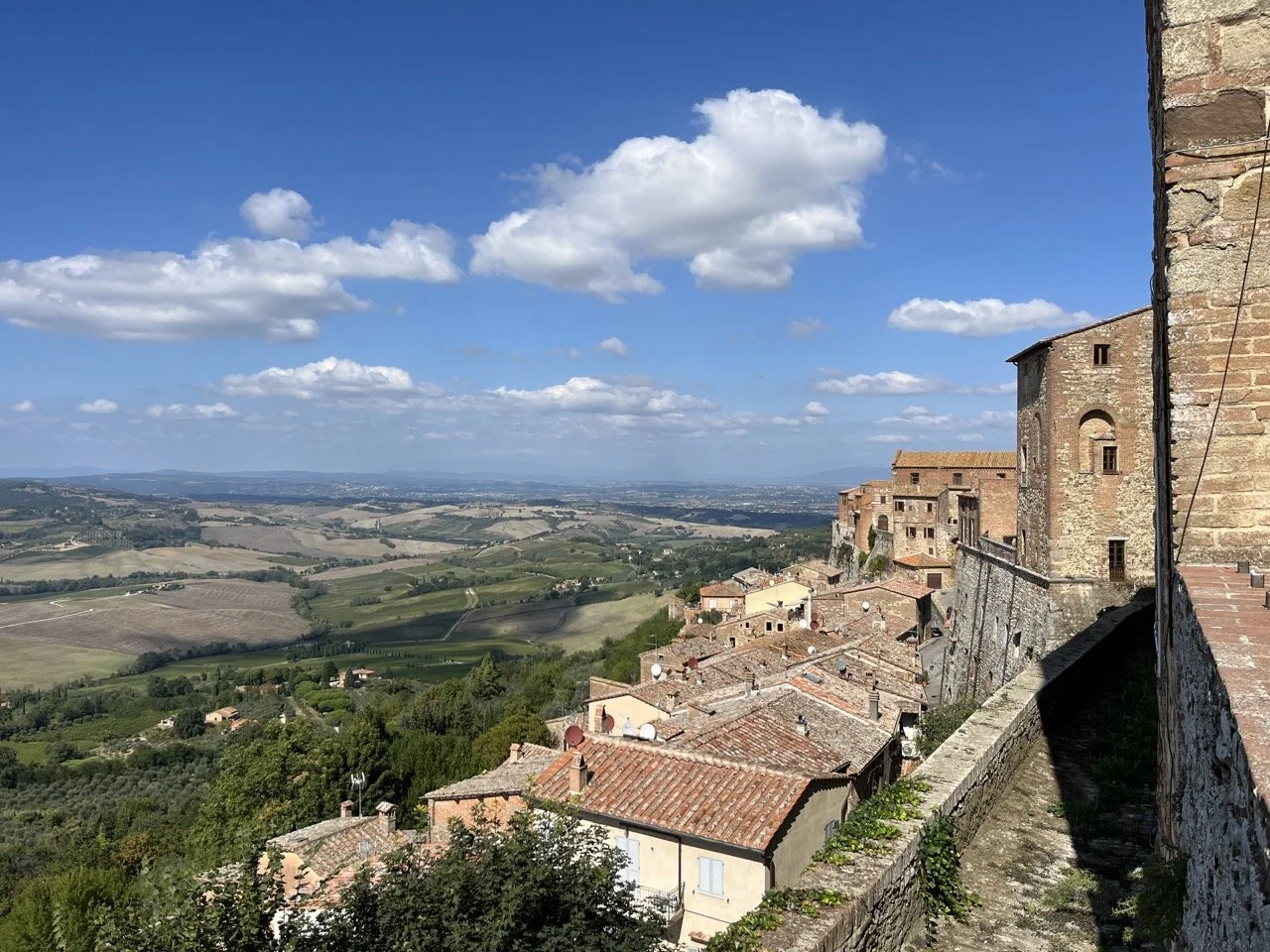
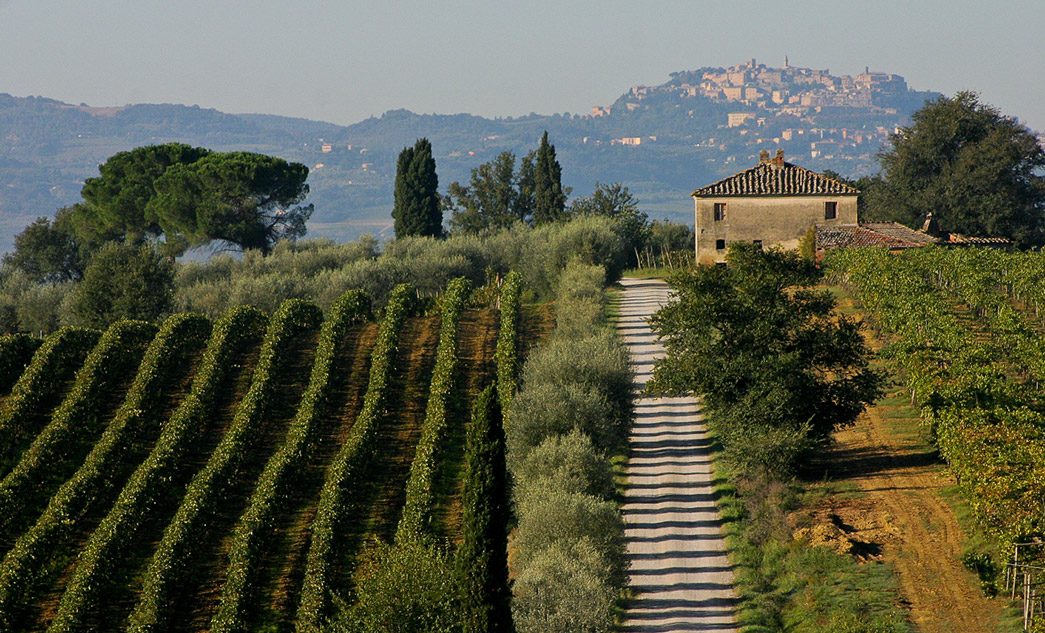
These fortifications offer panoramic views of the Val d'Orcia, providing a perfect backdrop for guests who have booked tuscany wine tours montepulciano tickets. The vantage points along the perimeter overlook rolling hills and cypress-lined driveways.
Climb the tower for a high-angle perspective of the historic center and the surrounding vineyards often explored during tuscany wine tours montepulciano tours. The geometric patterns of the terracotta rooftops provide clear lines for architectural photography.
Exploring the historic streets of the town is a manageable experience for families interested in tuscany wine tours montepulciano. The hilltop setting provides ample space for children to walk while parents appreciate the local heritage.
The historic center features cobblestone streets and inclines, so a lightweight, all-terrain stroller is recommended for your tuscany wine tours montepulciano tour. Some areas may require carrying children, as the medieval layout is not entirely flat.
School-age children often enjoy exploring the old cellars and the architecture of Piazza Grande, while younger children benefit from the open-air environment. It is wise to balance tuscany wine tours montepulciano tours with frequent stops at local piazzas for rest.
Public restrooms are available within the town, though changing tables are not standard in all historic buildings. Plan your tuscany wine tours montepulciano tickets usage around mid-morning to avoid the peak heat of the day.
Given the 09:00–11:00 arrival window is best, consider keeping your visit focused on the main landmarks to prevent fatigue. Keeping a steady, slow pace allows the entire family to enjoy the scenery without feeling rushed.
The town provides limited indoor shelter, so having rain gear is essential if the weather turns. Focus on visiting the covered historic wine cellars if you need to escape a sudden shower.
Visitors participating in tuscany wine tours montepulciano will find a wealth of authentic dining options nestled directly within the historic hilltop center. These establishments specialize in pairing local Vino Nobile di Montepulciano with traditional Pici pasta, providing a perfect complement to any tuscany wine tours montepulciano tour.
Renowned for its massive Chianina steaks and cellar atmosphere, this spot is ideal for those seeking a deep dive into local heritage after booking their tuscany wine tours montepulciano tickets. Reservations are essential due to limited seating.
Located near the main square, this historic venue allows you to taste vintages directly from the source. It serves simple, high-quality local cheese and salami platters, making it a reliable stop for a quick lunch while exploring the city landmarks.
Operating since 1868, this elegant café offers panoramic valley views alongside refined light meals. It serves as an excellent vantage point to rest between your scheduled tuscany wine tours montepulciano tours.
Everything you need to know for your journey
The historic town of Montepulciano is accessible 24 hours a day, with official opening hours listed as 00:00–23:59.
Entrance to the Montepulciano historic town is 0 EUR, providing free access to the streets and squares visited during tuscany wine tours montepulciano.
We recommend arriving between 09:00–11:00 to enjoy cooler temperatures and fewer visitors during your tuscany wine tours montepulciano.
The historic center contains steep streets and cobblestones, which may be challenging; visitors on tuscany wine tours montepulciano should plan accordingly.
Yes, you may carry food, but please dispose of all waste in designated bins to keep the historic center clean during tuscany wine tours montepulciano.
Parking is available in designated lots outside the historic walls, which is a standard starting point for many tuscany wine tours montepulciano.
Since town access is free, you only need to manage cancellations for your specific paid tour operator agreements.
Children are welcome to accompany their parents on tuscany wine tours montepulciano, though they must be supervised at all times.
Photography is encouraged in the public areas visited during your tuscany wine tours montepulciano.
Main cathedral featuring a notable 15th-century facade
Historical town hall overlooking the main square
Renaissance masterpiece located at the base of the hill
The heart of the town and central hub for visitors
Charming boutique hotels located within ancient buildings
Exclusive villas surrounded by rolling vineyard hills
Convenient access to bus lines and modern amenities
Join thousands of happy travelers who have discovered this incredible experience
Book Your Experience Now