
Quick answer
Wine tasting Tuscany is accessible 09:00–18:00 daily throughout the region, though entry to Tuscany itself is free and individual wineries charge separately for tours and tastings. Arrival between 09:00–11:00 avoids mid-day heat and peak afternoon crowds at popular estates. Most established wineries require advance booking, especially during harvest season September through October, while smaller family-run cellars occasionally accept walk-ins during weekday mornings.
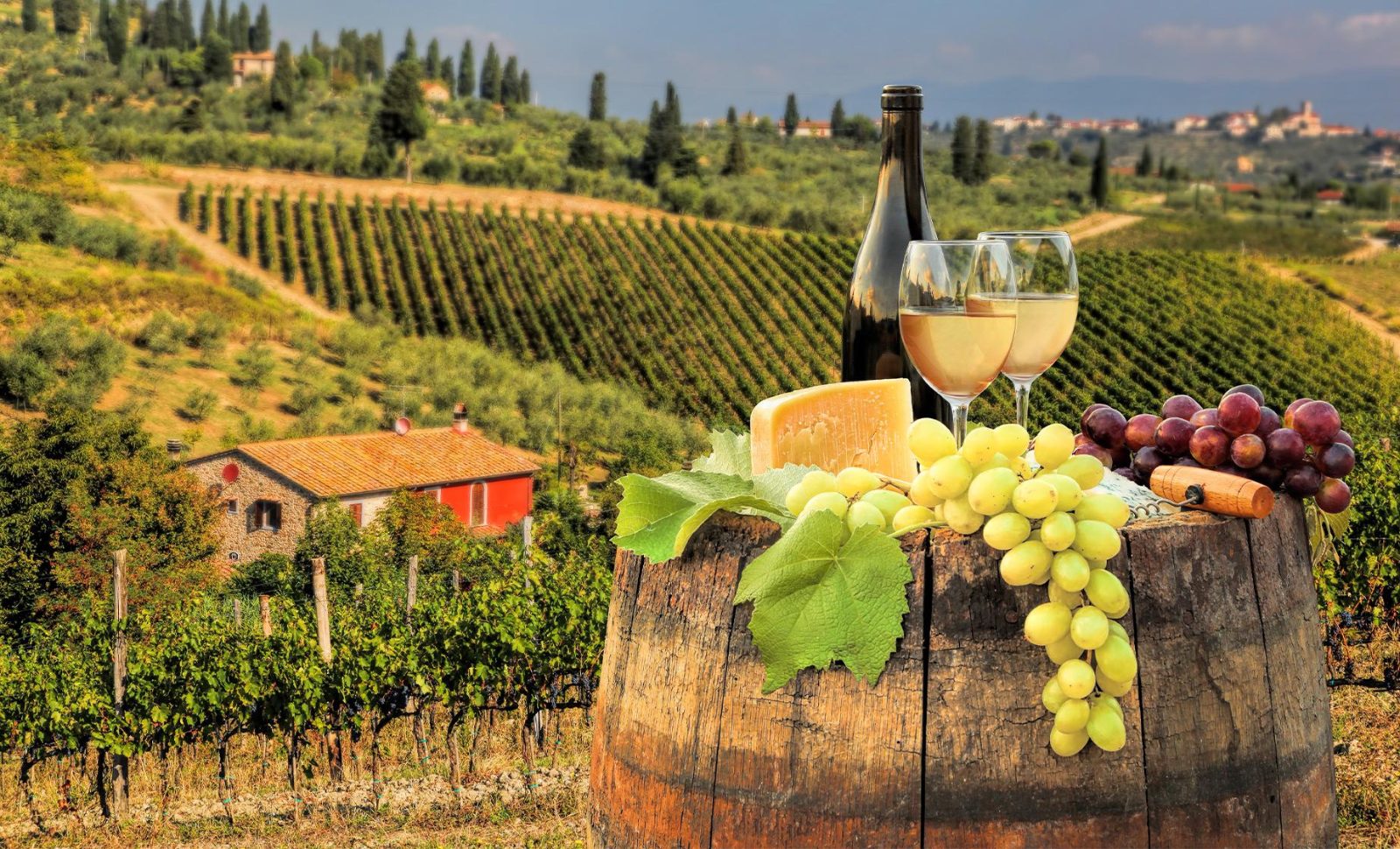
More than 160,000 hectares of vineyards blanket Tuscany's hillsides, producing eleven DOCG-classified wines across appellations that stretch from Florence to Siena and south to Montepulciano. The Chianti Classico zone alone contains over 300 estates open to visitors, while Montalcino's 250 Brunello producers and Montepulciano's Vino Nobile cellars add dozens more tasting rooms to the regional landscape. Unlike a single-site attraction, wine tasting Tuscany means navigating a decentralized network of independent producers, each setting their own hours, fees and reservation requirements. Sangiovese dominates the region's vine plantings, expressing itself differently across terroir: bright cherry and violet in Chianti, structured tannins and tobacco in Brunello, plush fruit in Vino Nobile. Estate visits typically include cellar tours through underground aging rooms where large Slavonian oak botti hold wines for the minimum maturation periods mandated by DOCG law—two years for Chianti Classico Riserva, five for Brunello. Tastings range from three-wine flights at casual agriturismos to vertical samplings of reserve bottlings at historic estates like Antinori, Frescobaldi or Castello Banfi. Seasonal patterns shape the visitor experience. Harvest begins in late September when wineries prioritize production over tourism, though many maintain limited tasting appointments. Spring and early autumn offer moderate temperatures ideal for vineyard walks, while July and August bring heat that sends visitors indoors by 14:00. The Tuscan wine country spreads across hilly terrain with estates accessed via narrow rural roads—Greve, Castellina, Radda and Gaiole form the Chianti Classico hub, while Montalcino sits 40 kilometers south and Montepulciano another 50 kilometers southeast. Reservation protocols vary widely. Internationally recognized estates require online booking weeks ahead, especially for weekends and harvest season. Mid-sized wineries accept email or phone reservations 3-7 days out. Small family operations sometimes accommodate same-day walk-ins on weekdays, though this grows less common as demand increases. Tasting fees start around 15-20 EUR for basic flights and climb to 50+ EUR for reserve tastings with food pairings, always separate from the free regional access.
“Sangiovese dominates the region's vine plantings, expressing itself differently across terroir: bright cherry and violet in Chianti, structured tannins and tobacco in Brunello, plush fruit in Vino Nobile.”
The Best Time for Wine Tasting Tuscany Experiences
The best arrival window is 09:00–11:00 to avoid mid-day heat and peak afternoon crowds at popular estates. Planning your visit during the shoulder seasons offers a balance of favorable climate and winery activity.
Spring (April–May)
Moderate crowdsMild, 15°C–22°C; vines are budding.
Ideal for exploring landscapes before summer temperatures rise.
Harvest Season (Sept–Oct)
High interest; manageableWarm, 18°C–25°C; grape harvest activity.
Witness the vendemmia process as vineyards prepare for production.
Weekday mornings
Lowest density—
Arriving during the 09:00–11:00 window ensures quieter estate tours.
Verdict: For the most consistent experience, target a Tuesday to Thursday arrival between 09:00–11:00 during the months of May or September.
Standard Opening Hours for Wine Tasting Tuscany
Wine tasting opportunities across Tuscany generally follow a consistent daily schedule throughout the week. Wineries welcome visitors during these standard operational hours.
| Monday | 09:00–18:00 | |
|---|---|---|
| Tuesday | 09:00–18:00 | |
| Wednesday | 09:00–18:00 | |
| Thursday | 09:00–18:00 | |
| Friday | 09:00–18:00 | |
| Saturday | 09:00–18:00 | |
| Sunday | 09:00–18:00 |
Wine Tasting Tuscany Entrance Fees and Costs
Tuscany as a region has no entry fee, meaning access to the countryside is free. Costs for wine tasting are determined exclusively by the individual estates and private wineries you choose to visit.
Adults pay 0 EUR for regional access, while individual tasting and tour costs depend on the specific winery selected.
Getting There for Wine Tasting Tuscany
Tuscany, Italy, is a expansive region where wine estates are often situated in rural locations away from major public transport hubs. Private vehicle transport or organized tours remain the most practical methods to access remote vineyards efficiently.
SS222 (Chiantigiana) or SR2 to access rural estate roads
Regional Trenitalia services to Florence, Siena, or Arezzo stations
Autolinee Toscane regional connections
Private hire from main city hubs to specific estates
How to Plan Your Wine Tasting Tuscany Visit
Planning a wine tasting visit to Tuscany requires advance booking at individual estates and coordinating transport between properties. The full process takes 2–3 weeks from research to confirmed reservations.
Research and shortlist wineries
Identify 2–4 estates that match your preferences—Chianti Classico producers near Greve, Brunello cellars in Montalcino, or Super Tuscan vineyards in Bolgheri. Many visitors overlook capacity limits and arrive at popular estates without appointments, only to be turned away.
Contact estates for availability
Email or call each winery directly to inquire about tasting appointments, since most require reservations 1–2 weeks ahead during peak season. Confirm the tasting format, duration, and any minimum group requirements before committing.
Book your tasting slots
Secure your preferred time slots, typically staggered 3–4 hours apart to allow for the tasting itself plus travel between properties. Request morning appointments when possible, as afternoon availability fills quickly and some estates close tasting rooms by 17:00.
Arrange inter-estate transport
Confirm your method of travel between wineries—rental car, private driver, or organized tour—and verify driving times, since distances between appellations can exceed 90 minutes. Most visitors underestimate rural road conditions and arrive late, forfeiting their reserved slot.
Confirm all reservations 48 hours prior
Reconfirm each appointment by email or phone two days before your visit, as some smaller estates operate with limited staff and may not honor unconfirmed bookings.
Etiquette for Wine Tasting Tuscany
Tuscan wineries maintain traditional standards of conduct that reflect centuries of winemaking heritage. Proper etiquette ensures a respectful experience for hosts and fellow visitors.
Do
- Dress smart-casual; avoid beachwear and athletic clothing
- Spit wine into provided receptacles during multi-wine tastings
- Ask permission before photographing cellars or production areas
- Arrive on time for scheduled appointments and tours
- Keep tasting notes discreetly; avoid loud commentary
- Pace yourself and drink water between tastings
Don't
- Wear strong perfumes or colognes that interfere with aromas
- Touch barrels, bottles, or equipment without explicit permission
- Bring young children to adult-focused tasting experiences
- Expect free tastings; most estates charge for their service
- Discuss pricing or discounts during the tasting experience
- Rush through tastings or request pours of every available wine
Combining Your Wine Tasting Tuscany Trip
Tuscany offers historical and cultural landmarks that complement a wine-focused itinerary. These locations provide architectural and artistic context to the landscape surrounding the vineyards.
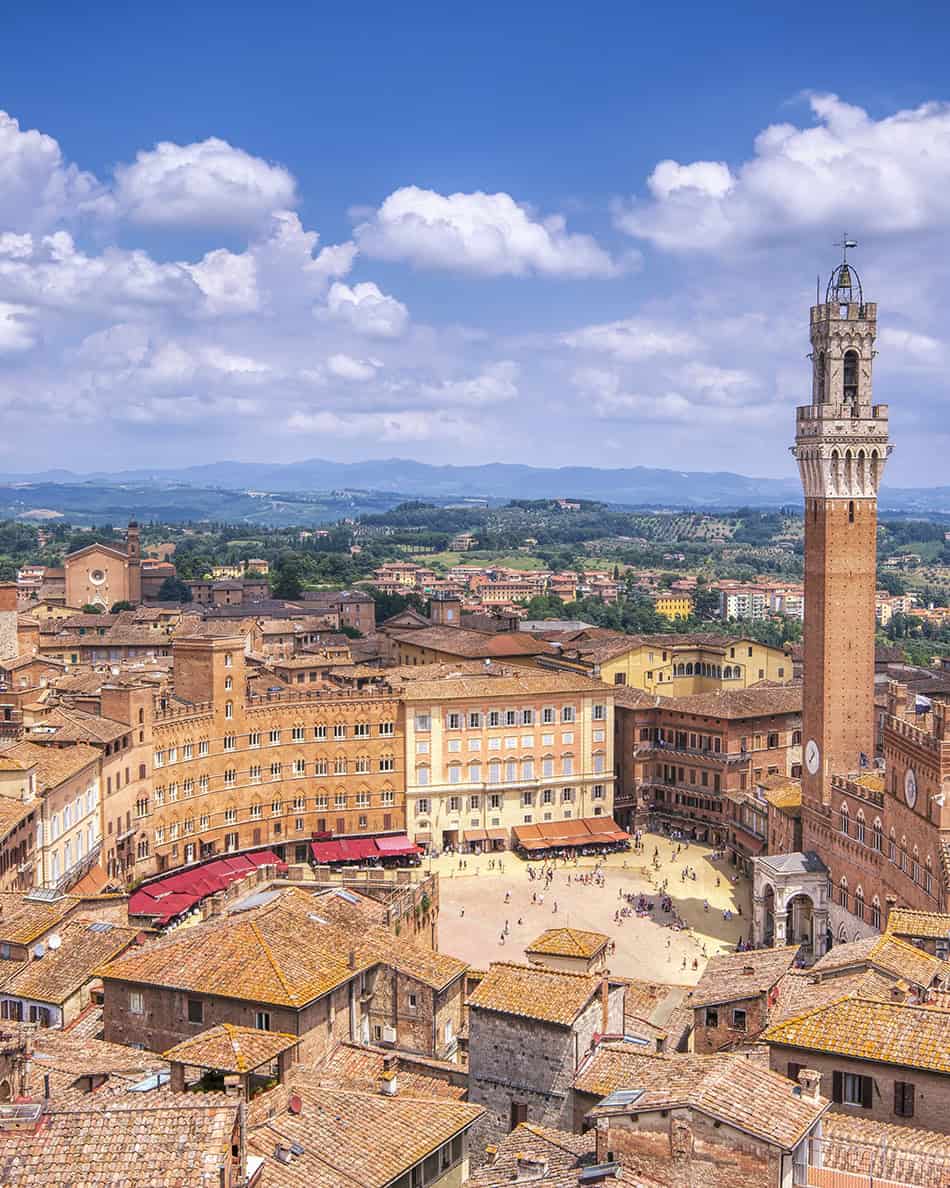
Siena
The medieval city center features Gothic architecture and the Piazza del Campo, offering a historical contrast to rural estate visits.
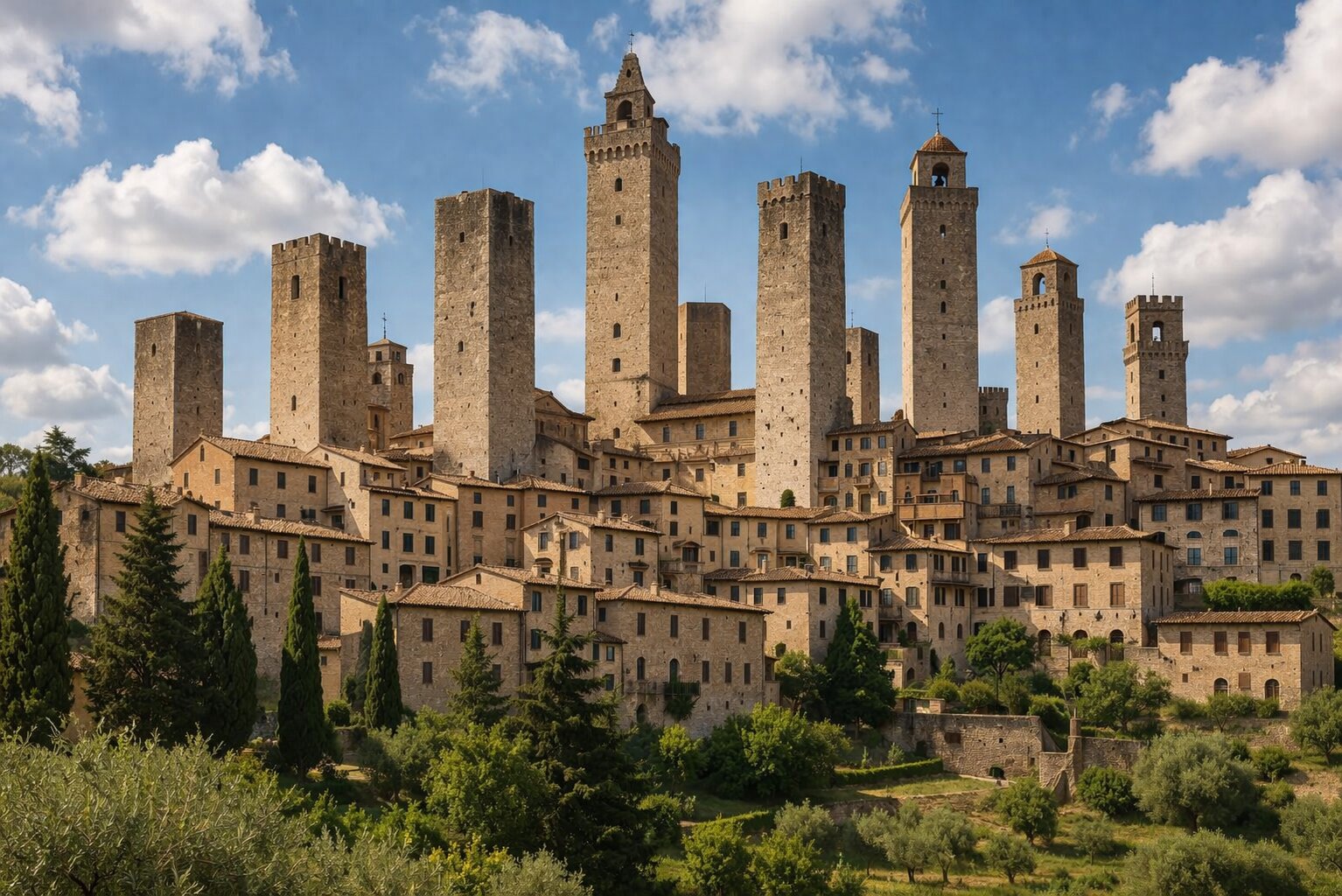
San Gimignano
Known for its remaining tower houses, this hilltop town provides panoramic views of the region and fits well into a broader day trip.
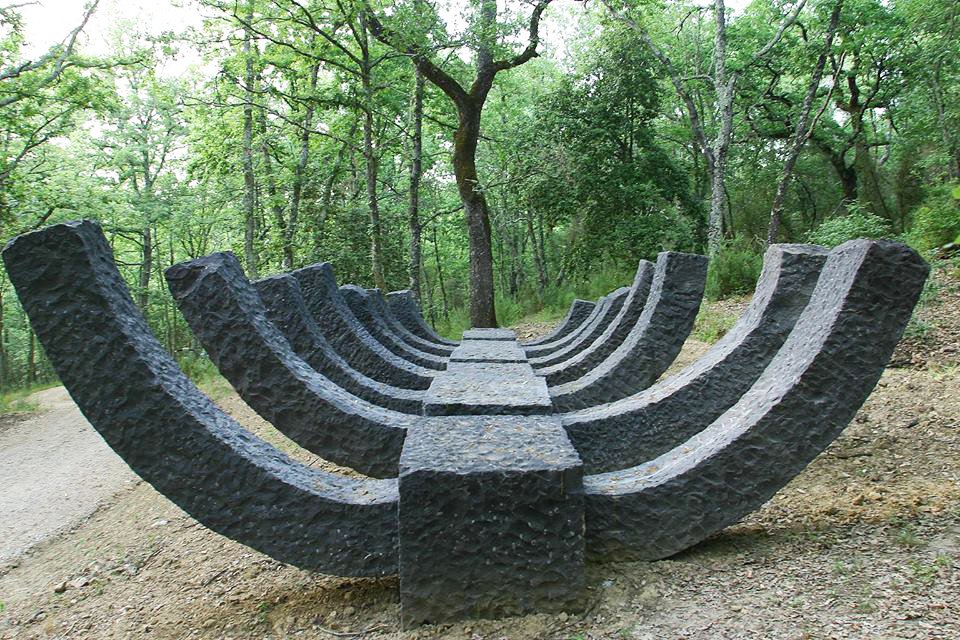
Chianti Sculpture Park
This open-air gallery integrates contemporary art with the natural forest environment, serving as a quiet stop between winery appointments.
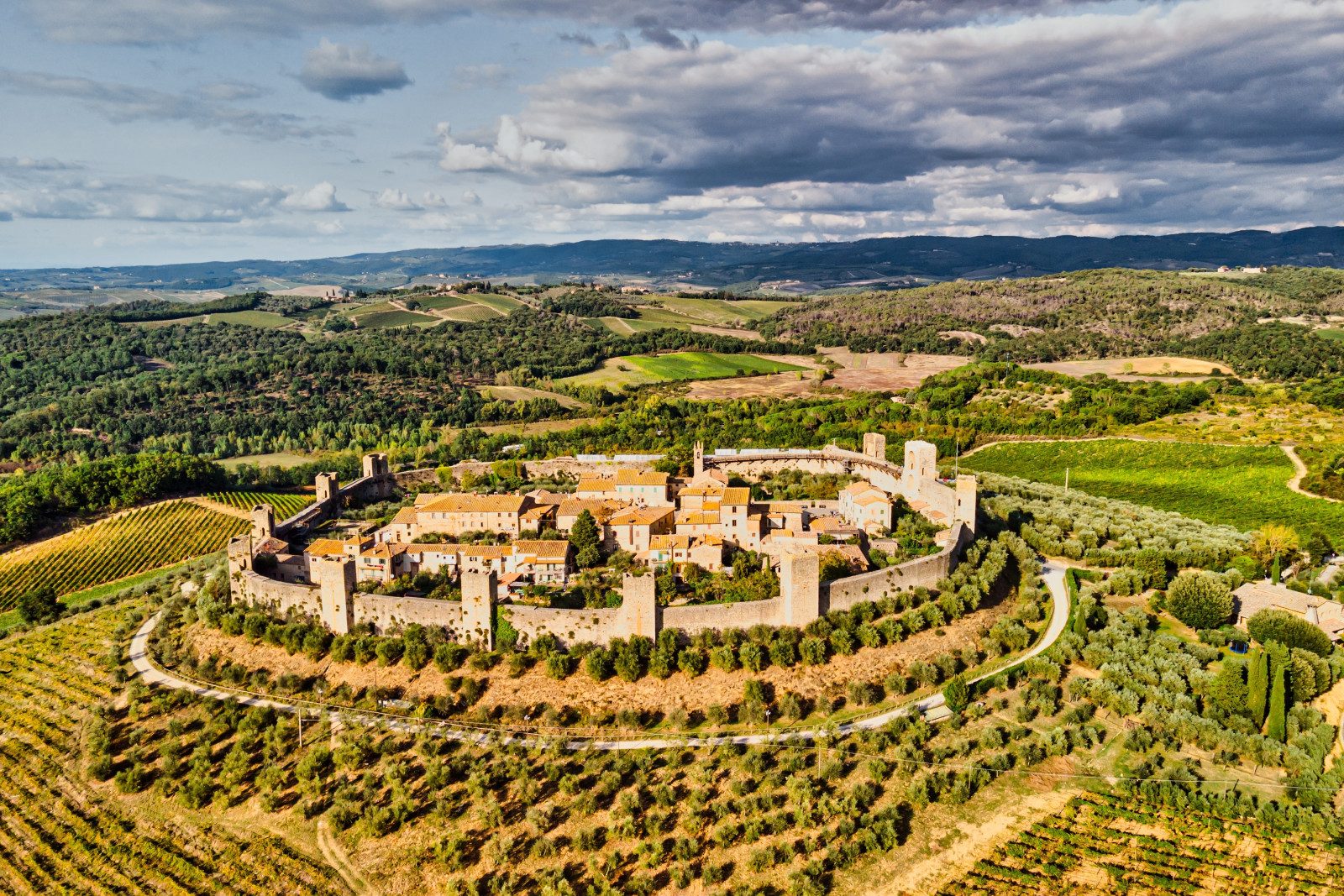
Monteriggioni
This walled castle town serves as a compact historical stop, allowing for a quick exploration of medieval fortifications after a morning tasting.
Check availability
Frequently Asked Questions About Wine Tasting Tuscany
Everything you need to know about wine tasting tuscany