12 hr 30 min
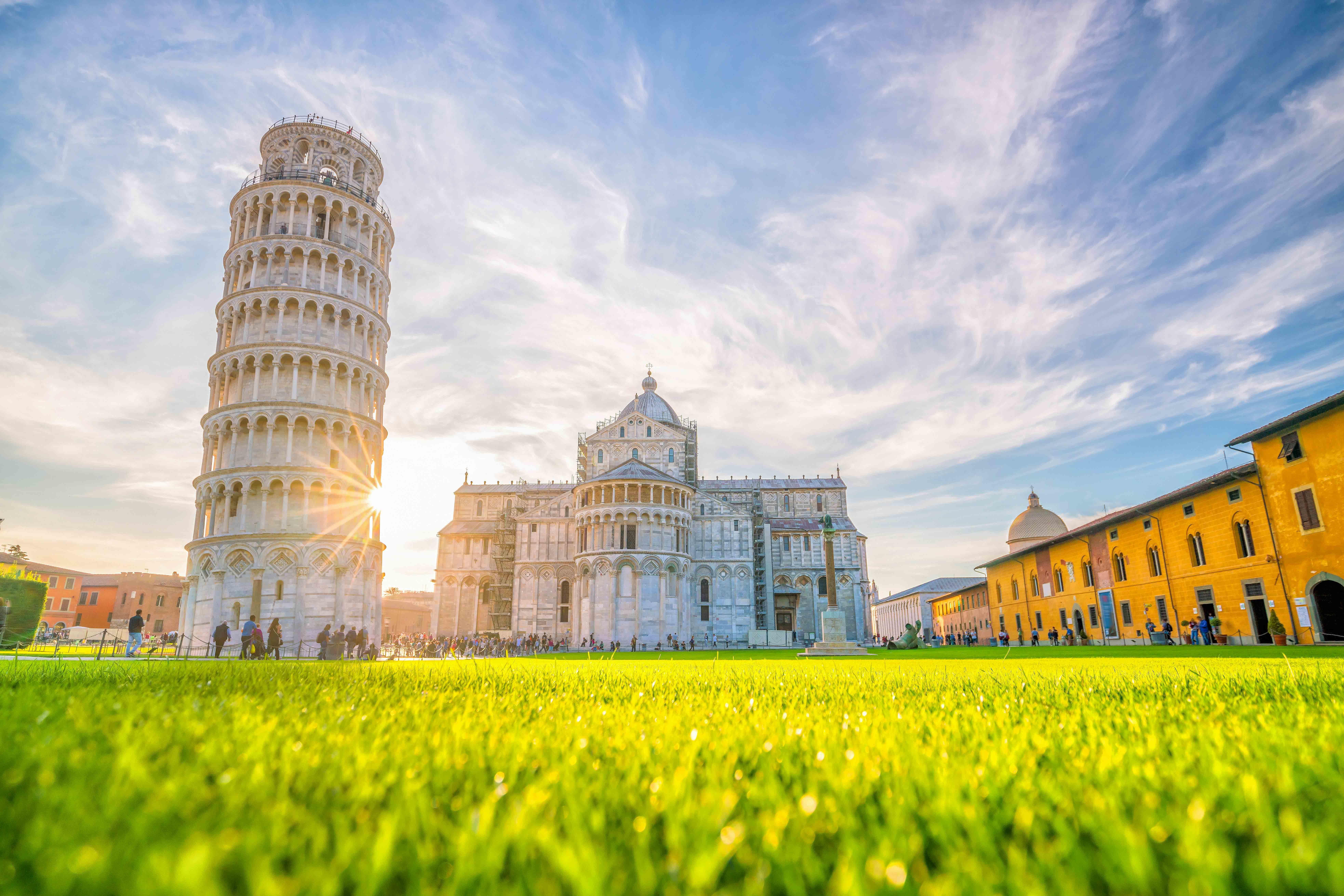
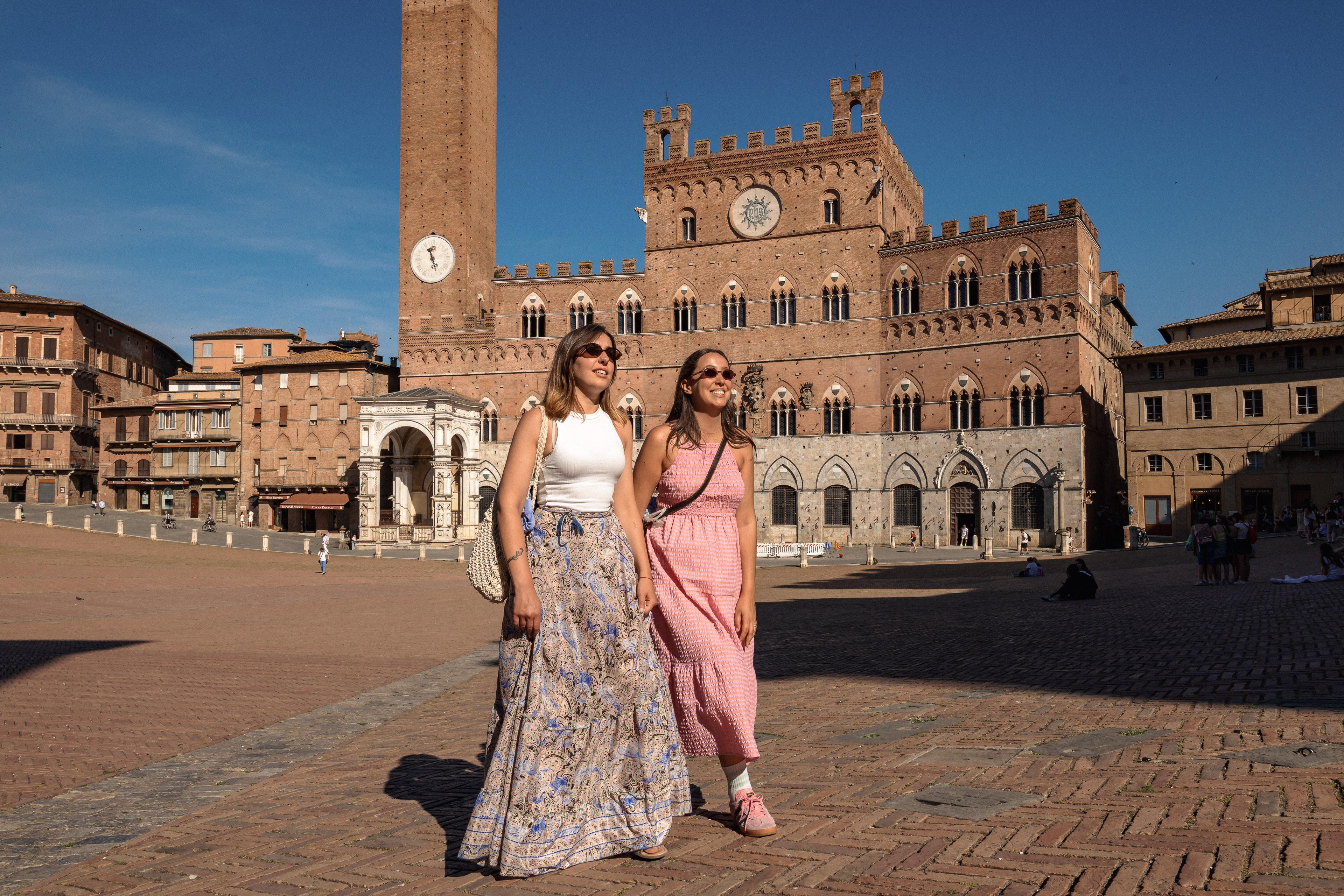
Tuscany Three Towns: Pisa, Siena & San Gimignano with Lunch
- Expert local guide
- Small group
- Skip-the-line access
- Free cancellation
Tuscany Wine Tour and San Gimignano from Florence
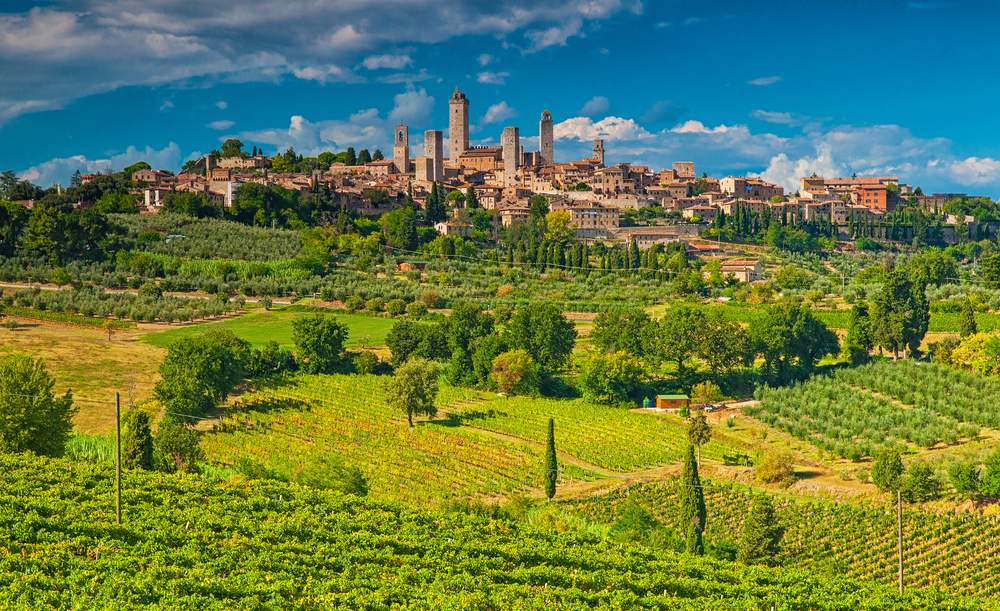
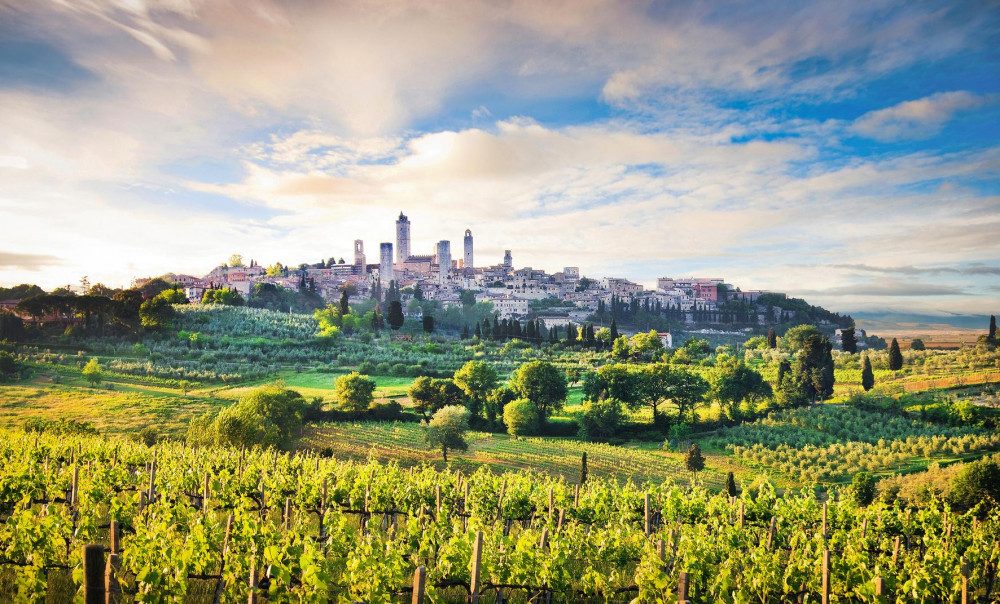
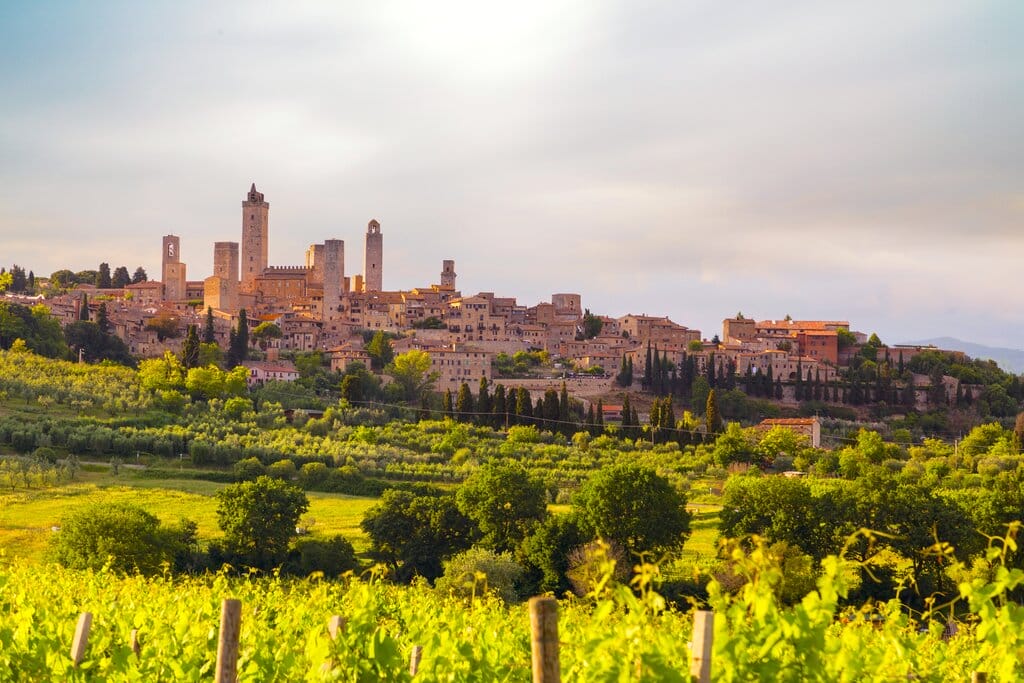
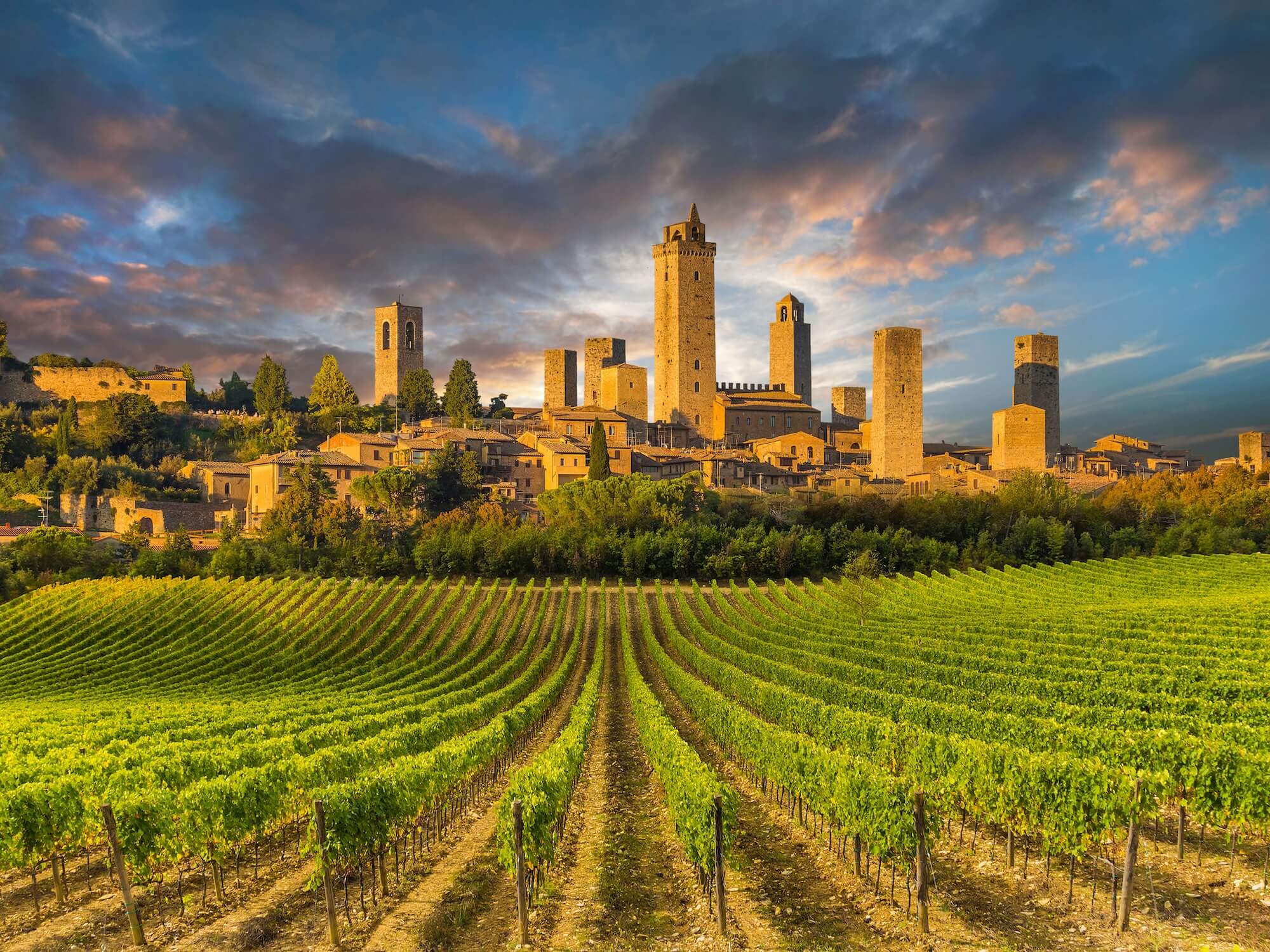
Medieval towers rise above vine terraces, Chianti cellars hold centuries in oak
Compare fares, pick the fit — all bookings are mobile-voucher and eligible for free cancellation where shown.
12 hr 30 min
7 hr
11 hr
Choosing the right pass for your tuscany wine tour and san gimignano from florence ensures seamless access to the town's historic towers and frescoed interiors. Whether you prioritize a quick visit or a comprehensive exploration, these options cover the core landmarks of this UNESCO heritage site.
| Civic Museums Single Basic Access |
Top pick San Gimignano Pass All-Inclusive Access |
|
|---|---|---|
| Attractions Included | Palazzo Comunale, Pinacoteca, Torre Grossa | All Civic Museums plus Duomo and Religious Art Museum |
| Access Method | In-person or timed entry | Digital voucher for all listed sites |
| Validity | Same-day visit | 2 consecutive days |
| Best for | Budget-conscious visitors | First-timers seeking total access |
| See tickets & prices |
Verdict: For the most convenient experience during your tuscany wine tour and san gimignano from florence tour, the San Gimignano Pass is recommended to avoid individual entry fees and maximize your time.
Worth it for wine and hill-town lovers
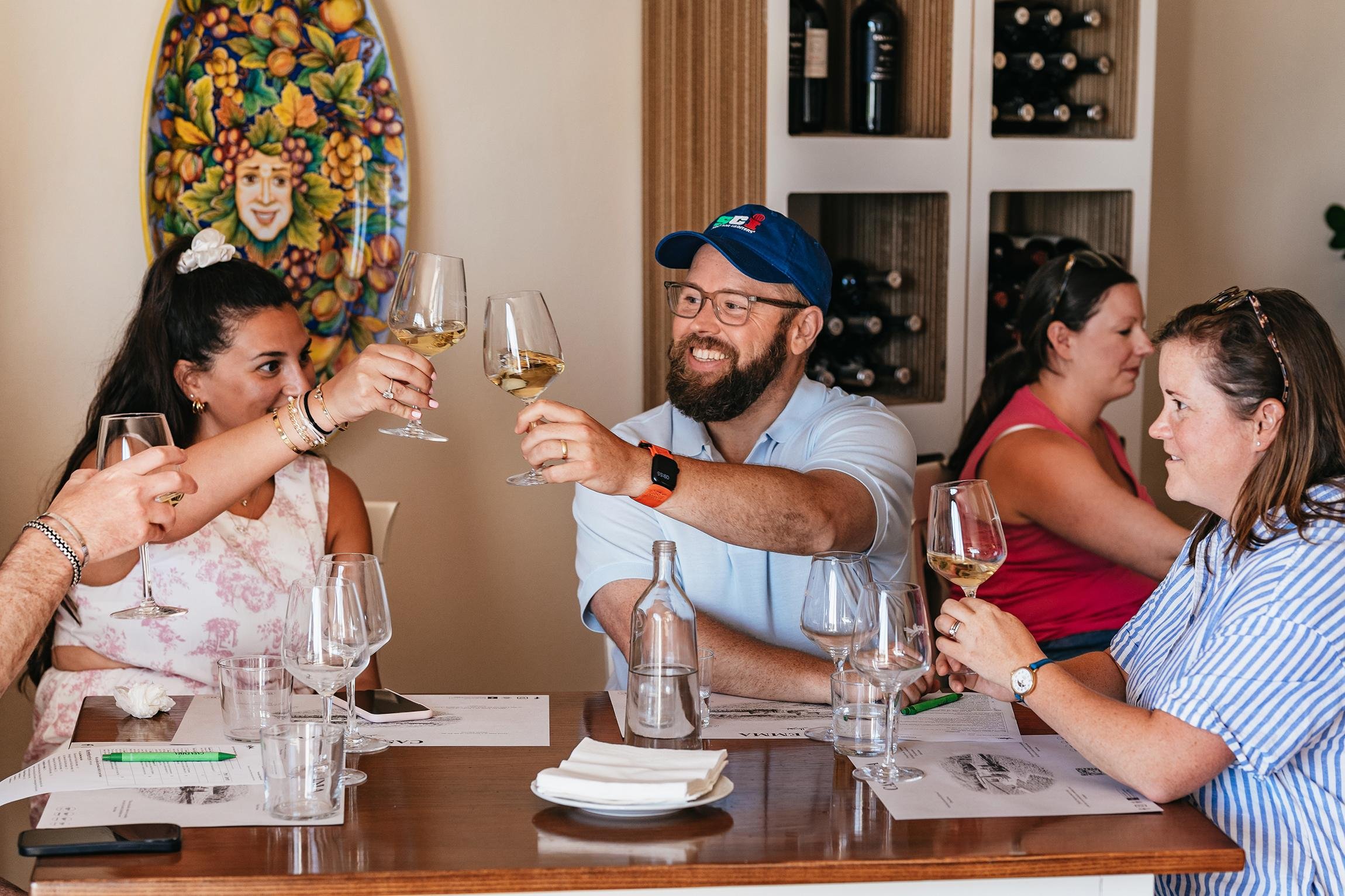
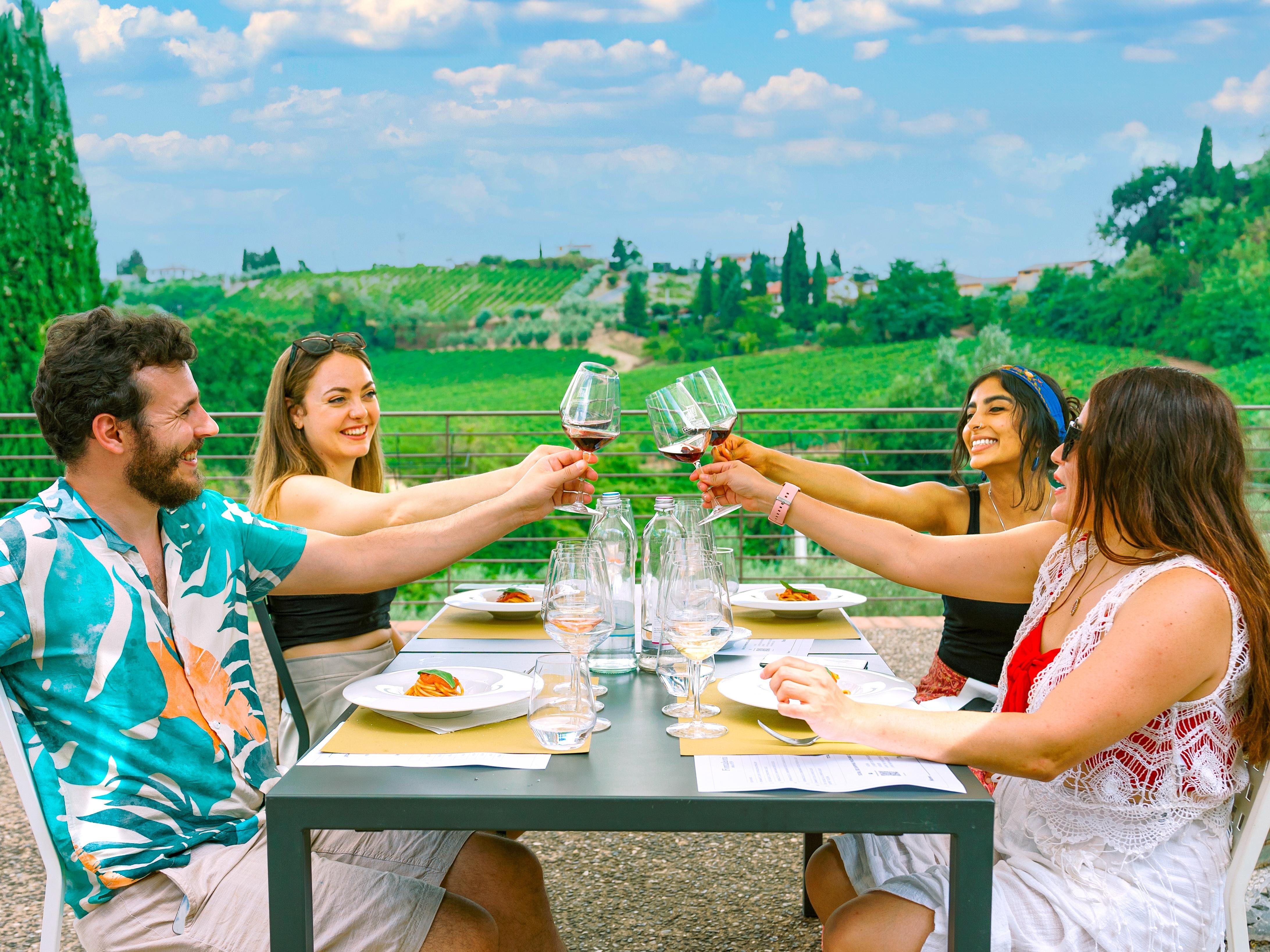
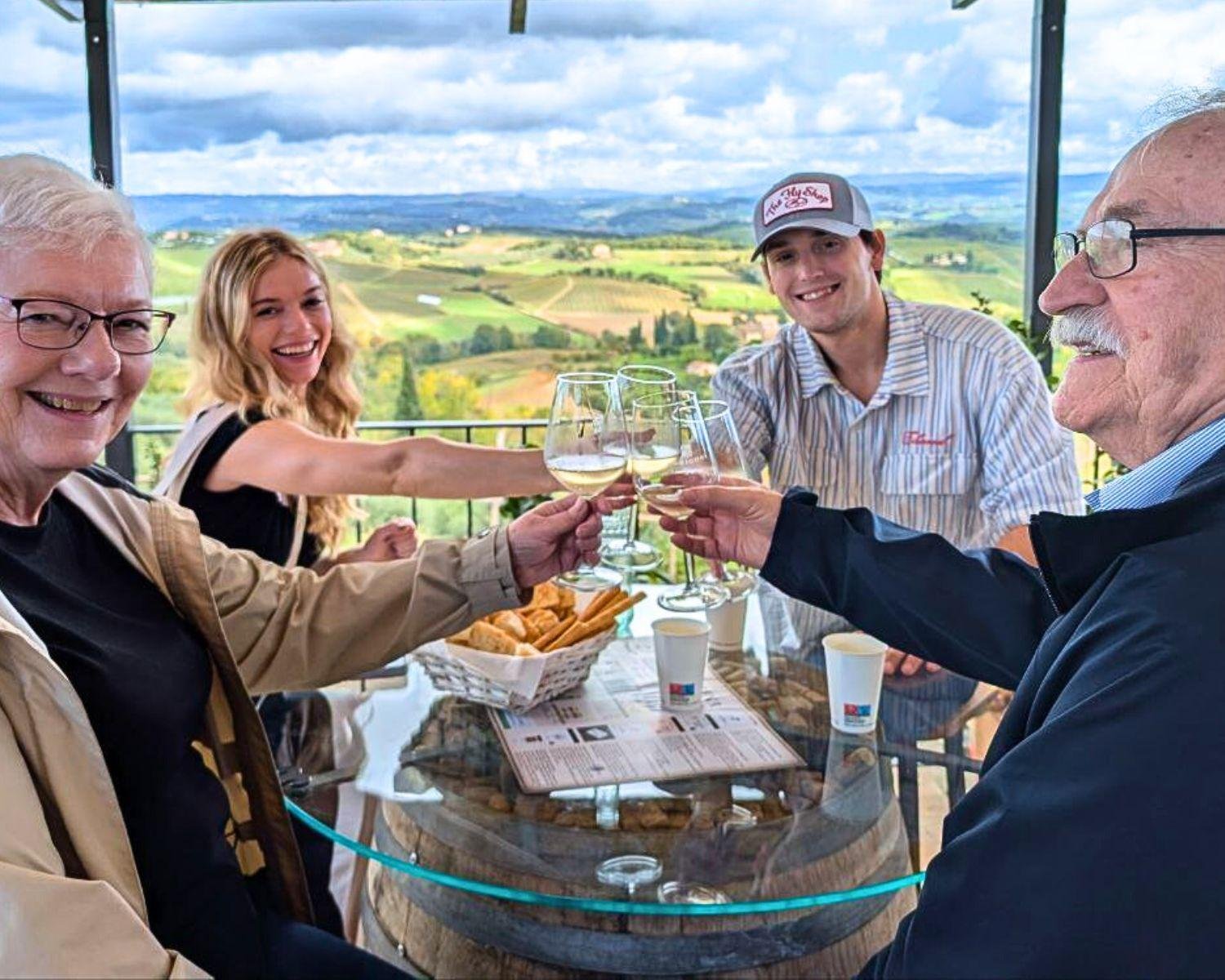
A tuscany wine tour and san gimignano from florence delivers exactly what the route promises: medieval towers, Chianti vineyards, and structured tastings at family-run estates. The combined tours on this page pair San Gimignano's UNESCO skyline with two to three wine stops, typically including lunch, and run eight to twelve hours. You'll taste Vernaccia di San Gimignano, walk the stone alleys before tour-bus crowds peak, and stop at working wineries where the cellar tour and tasting are included. The value equation tilts positive if you want both the hill town and the vineyards in one day without navigating rentals or train connections. Skip it if you prefer deep dives over breadth—San Gimignano rewards two hours, not four, and serious oenophiles will want more time per estate than a combo tour allows.
Bottom line: Book a tuscany wine tour and san gimignano from florence if you want Chianti and medieval towers in one efficient day; choose a vineyard-only experience if wine is the sole priority.
They complement each other; most visitors who do both call the guided tuscany wine tour and san gimignano from florence the more time-efficient way to experience the countryside. Choosing a structured excursion ensures seamless transport to remote vineyards, while independent travel offers more flexible hours for wandering the medieval town center.
|
Top pick Guided Tour |
Independent Travel | |
|---|---|---|
| Transport Type | Private bus or minivan | |
| Convenience | High (all-inclusive logistics) | |
| Average Duration | 8–10 hours | |
| Wine Tasting Access | Pre-booked estate visits | |
| Lunch Inclusion | Included at villa or winery | |
| Itinerary Flexibility | Fixed, route-optimized | |
| Optimal Arrival Window | 09:00–11:00 (for tour buses) | |
| See tickets & prices |
Verdict: Opt for the tuscany wine tour and san gimignano from florence tours if you prefer a stress-free day of logistics, or plan your own trip if you prioritize extended time at specific tuscany wine tour and san gimignano from florence landmarks.
Hand-picked experiences loved by thousands of travelers
5-6.5 hours
Free Cancellation
Discover two family-run Tuscan wineries with tastings, vineyard walks, and regional delicacies
4.5 hours
Free Cancellation
Explore two renowned Chianti wineries with tastings, cellar tours, and Tuscan food pairings on this half-day escape.
5 to 9 hours
Free Cancellation
Escape to Chianti's vineyards for wine tastings, a traditional lunch, and medieval hill towns
9 hours
Free Cancellation
Journey through Tuscany's hilltop gems with guided transport and ample time to wander at your own pace
11 hours
Free Cancellation
Experience three enchanting medieval towns and savor Chianti wines on this unforgettable Tuscan adventure
12 hours
Free Cancellation
Journey through Val d'Orcia's UNESCO landscapes with wine tastings at authentic vineyards
7 hours
Free Cancellation
Exclusive full-day journey through Chianti wineries with tastings, traditional lunch, and medieval town exploration
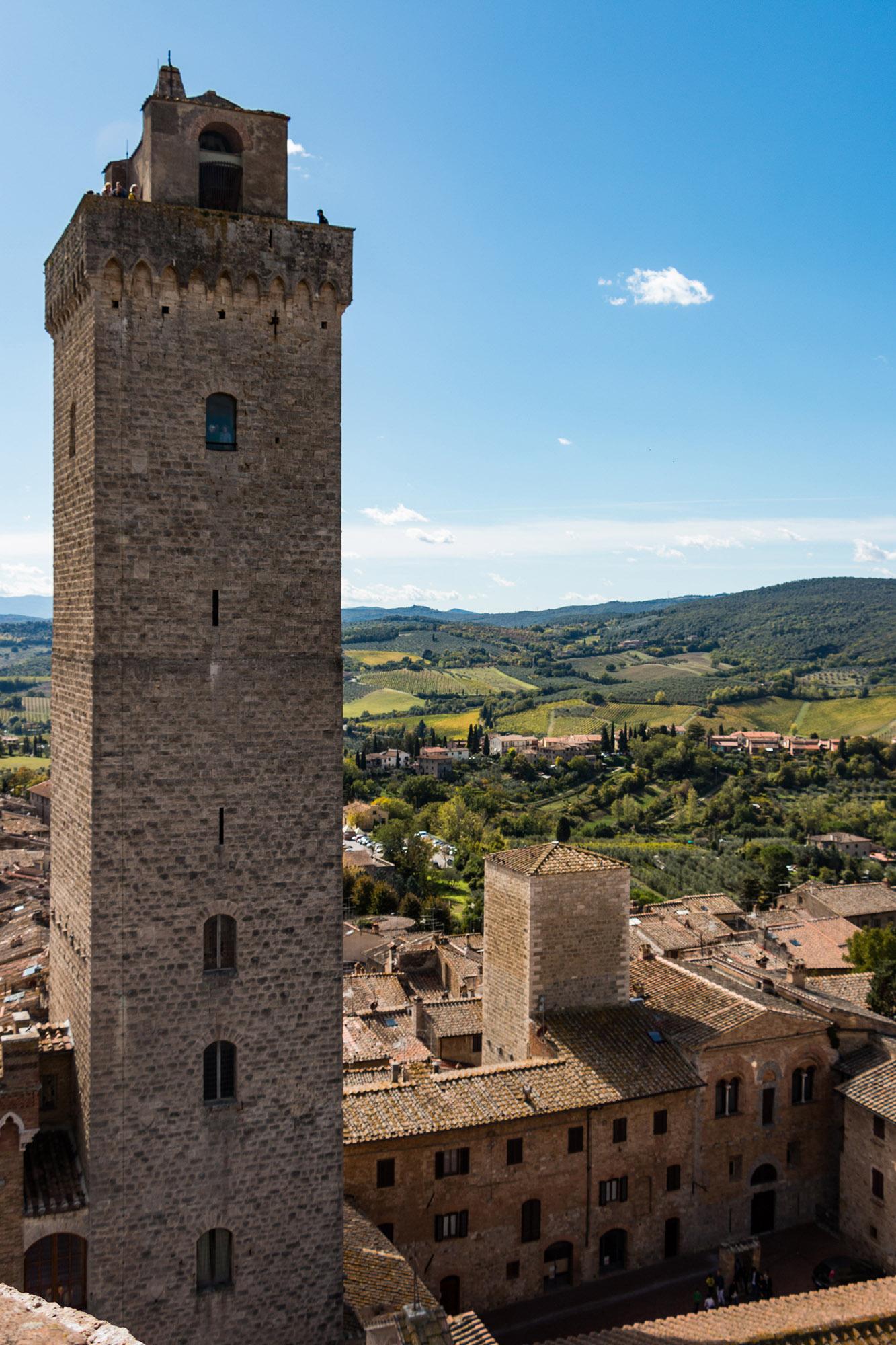
The tallest tower in town offers panoramic views of the Tuscan landscape after a climb of 218 steps.
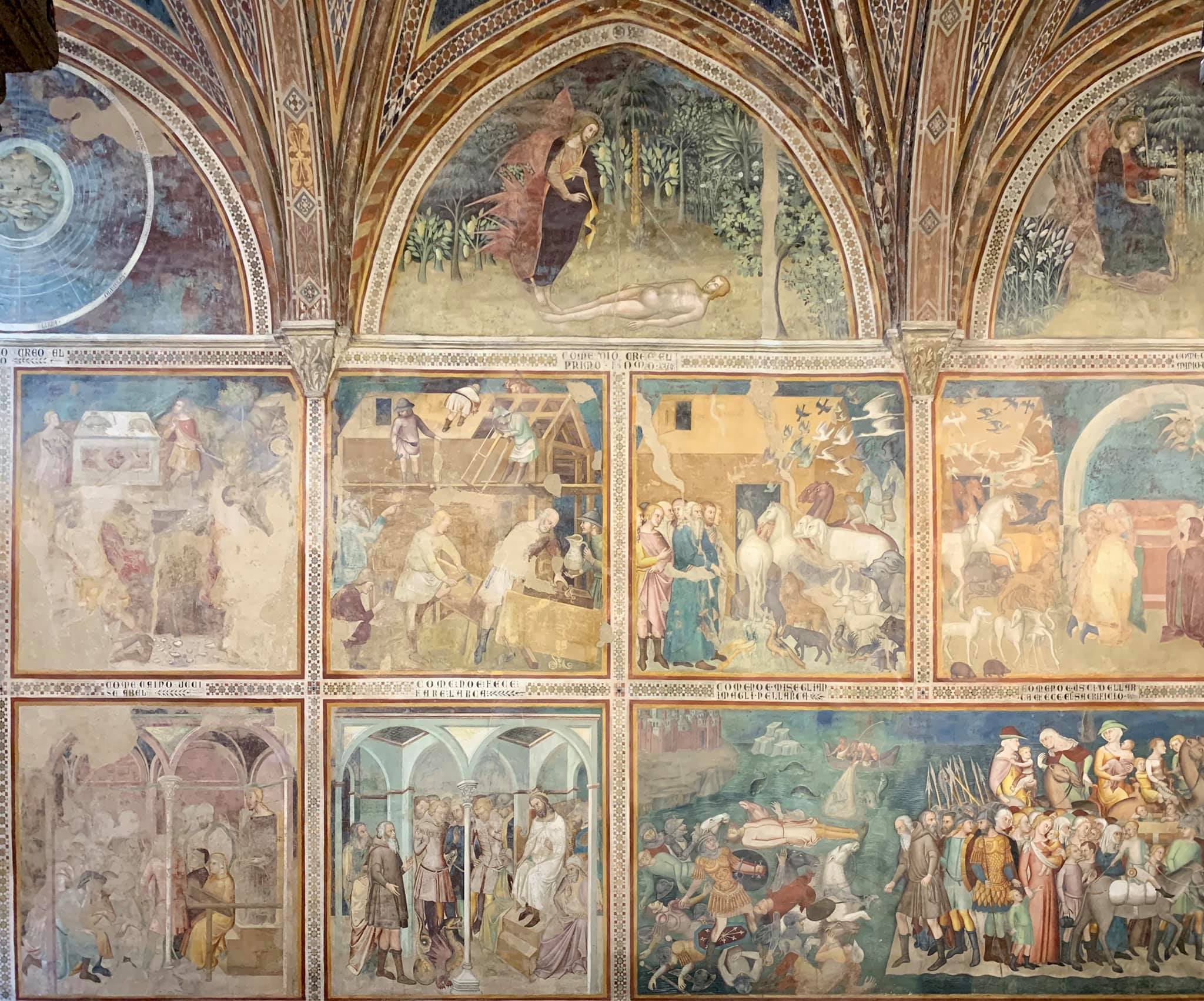
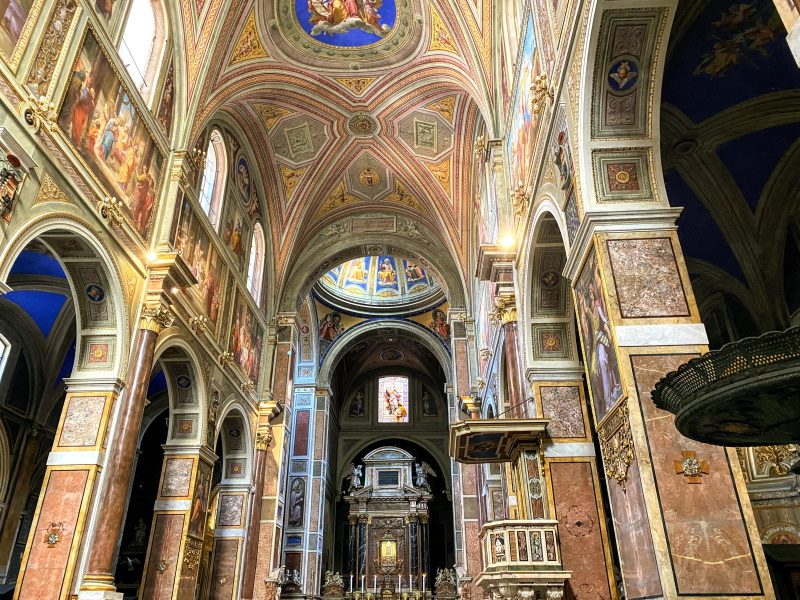
Known for its extensive 14th-century fresco cycles depicting biblical scenes on its interior walls.
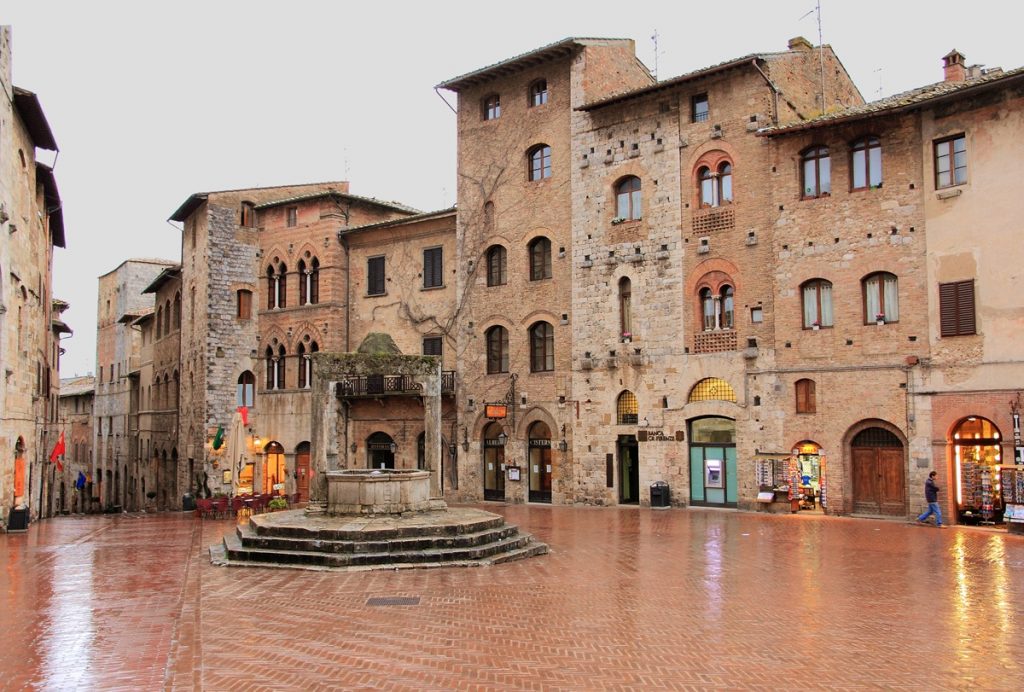
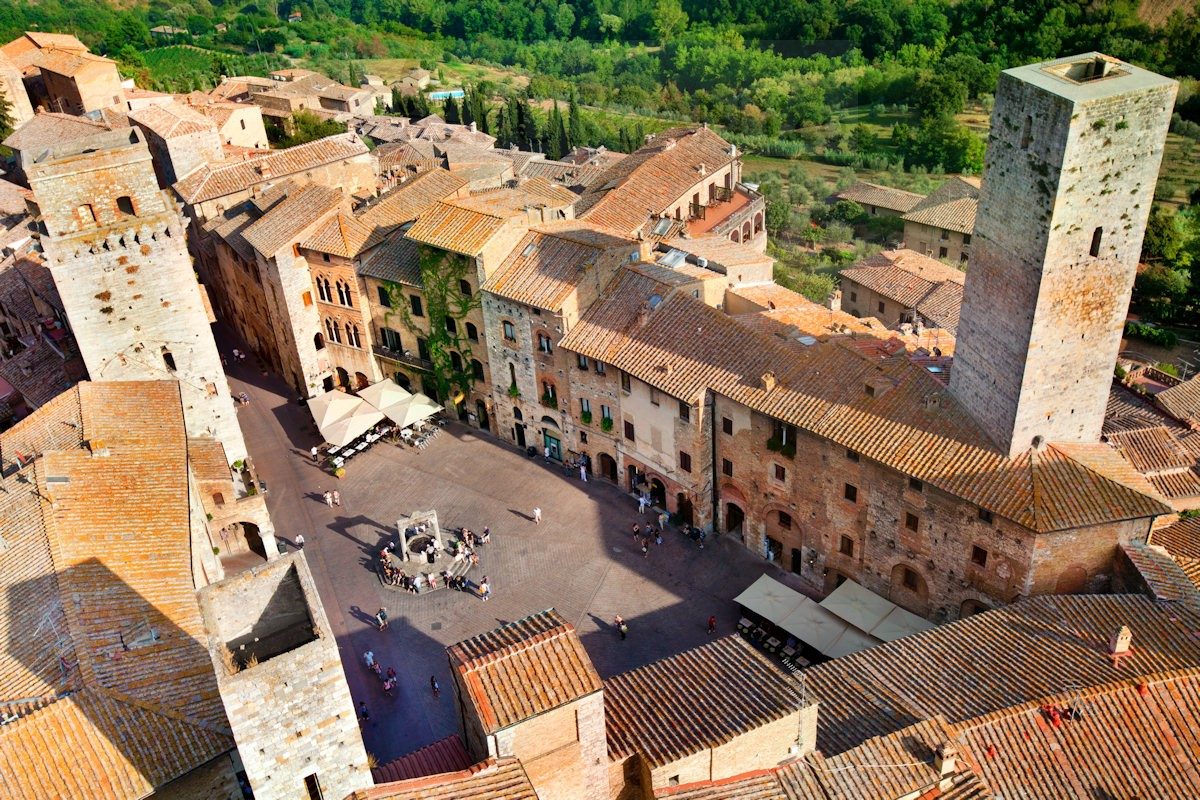
The triangular main square features a medieval stone well and historic tower houses.
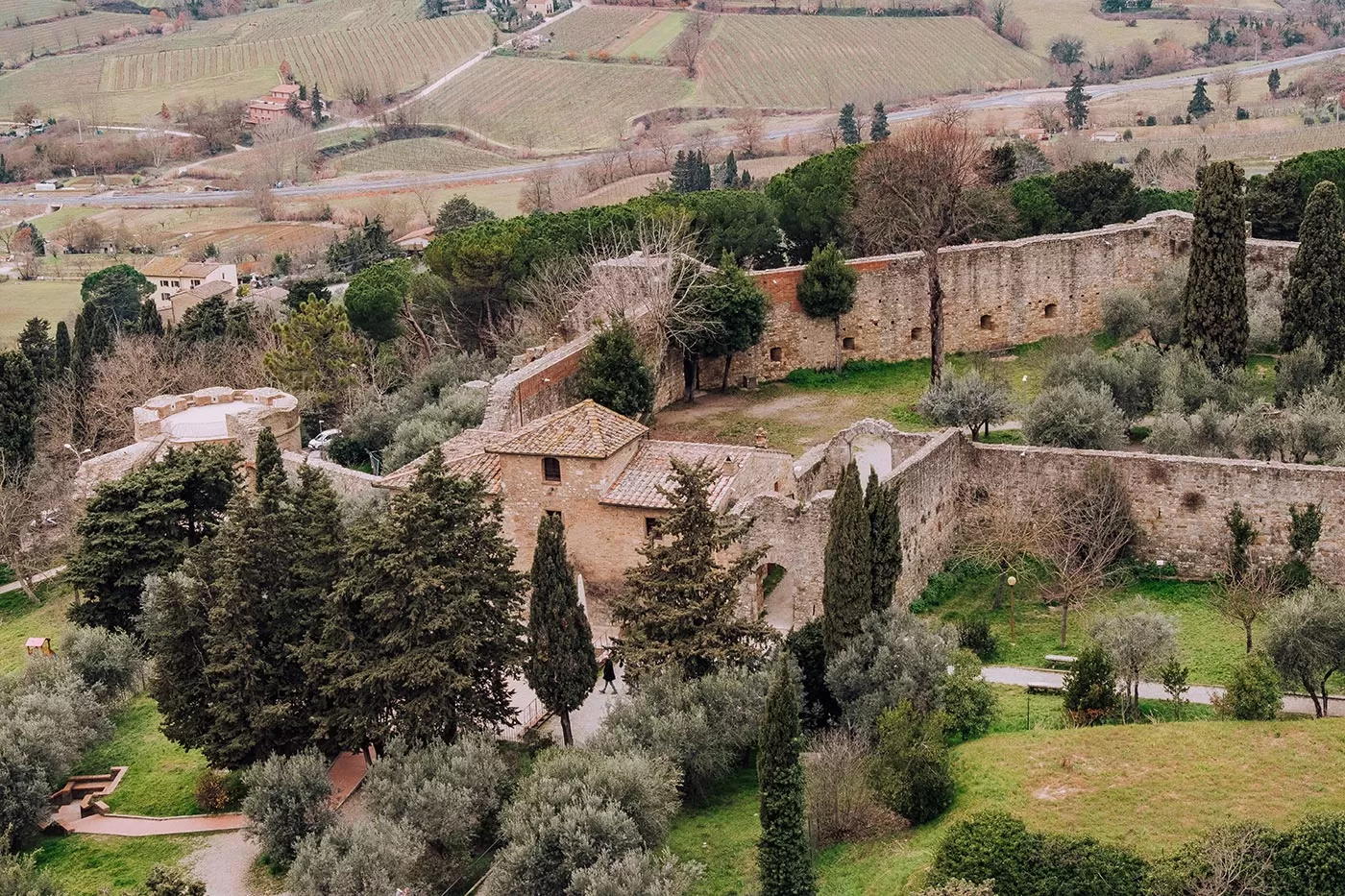
This former fortress provides a peaceful setting with expansive views over the surrounding olive groves.
Contains the cycle of frescoes by Benozzo Gozzoli detailing the life of St. Augustine.
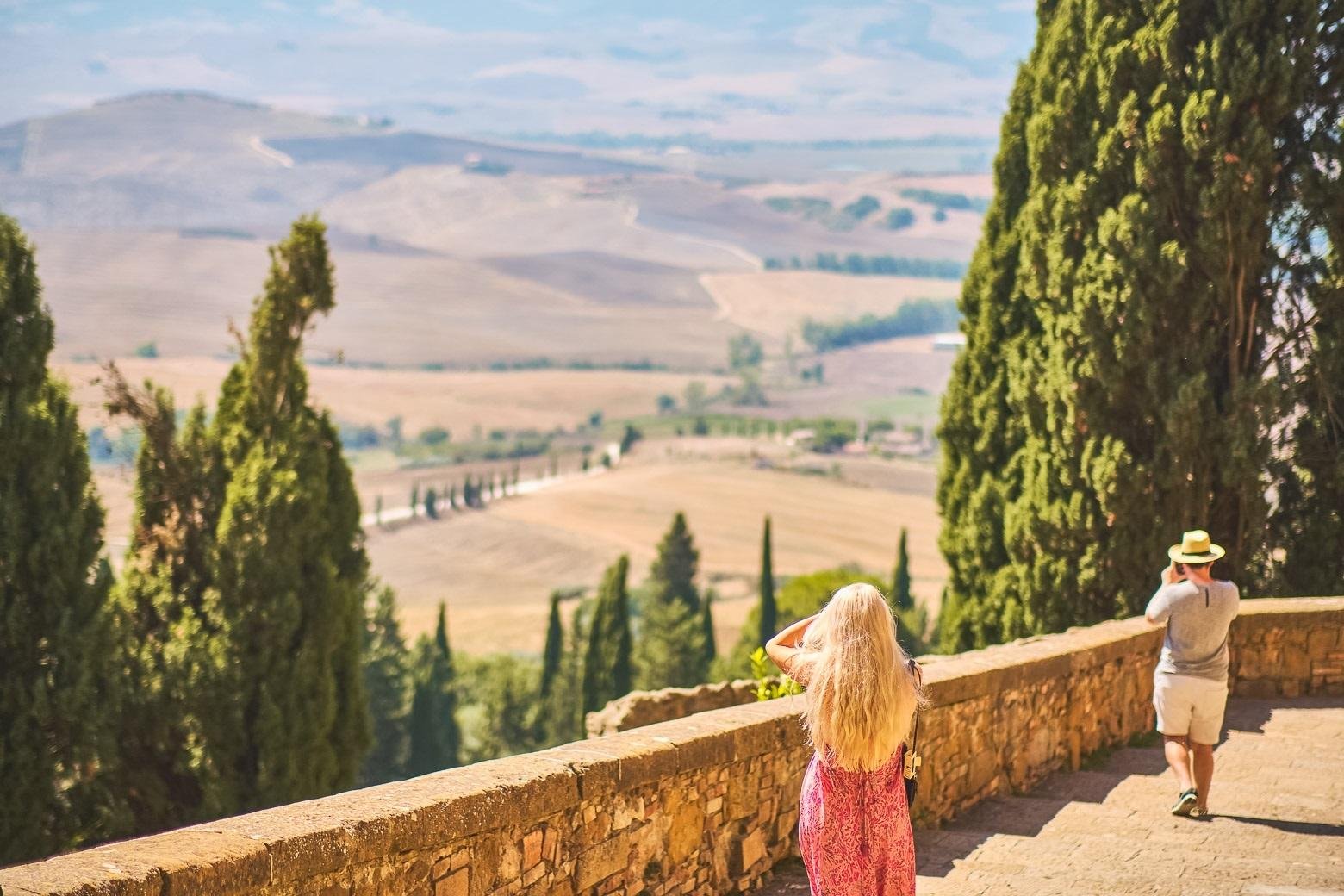
You depart Florence at nine, crossing the Arno before the coach climbs into Chianti hill country where Sangiovese vines stripe the slopes in geometric rows.
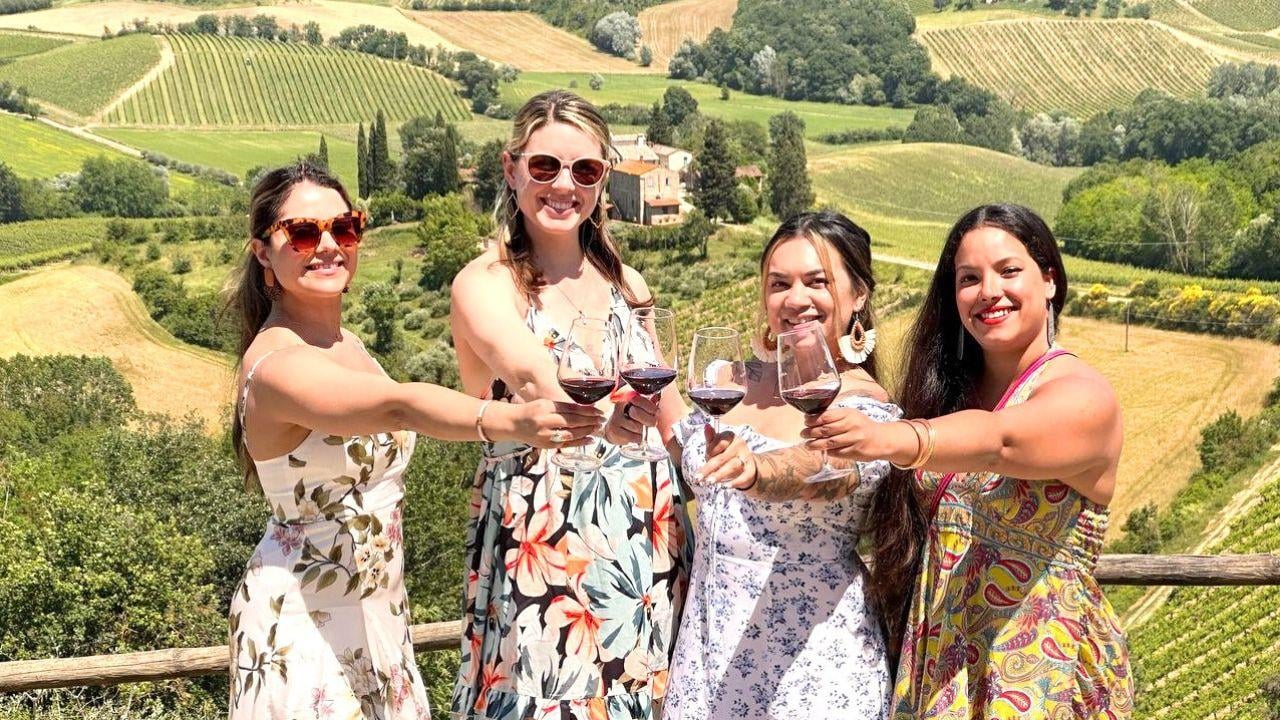
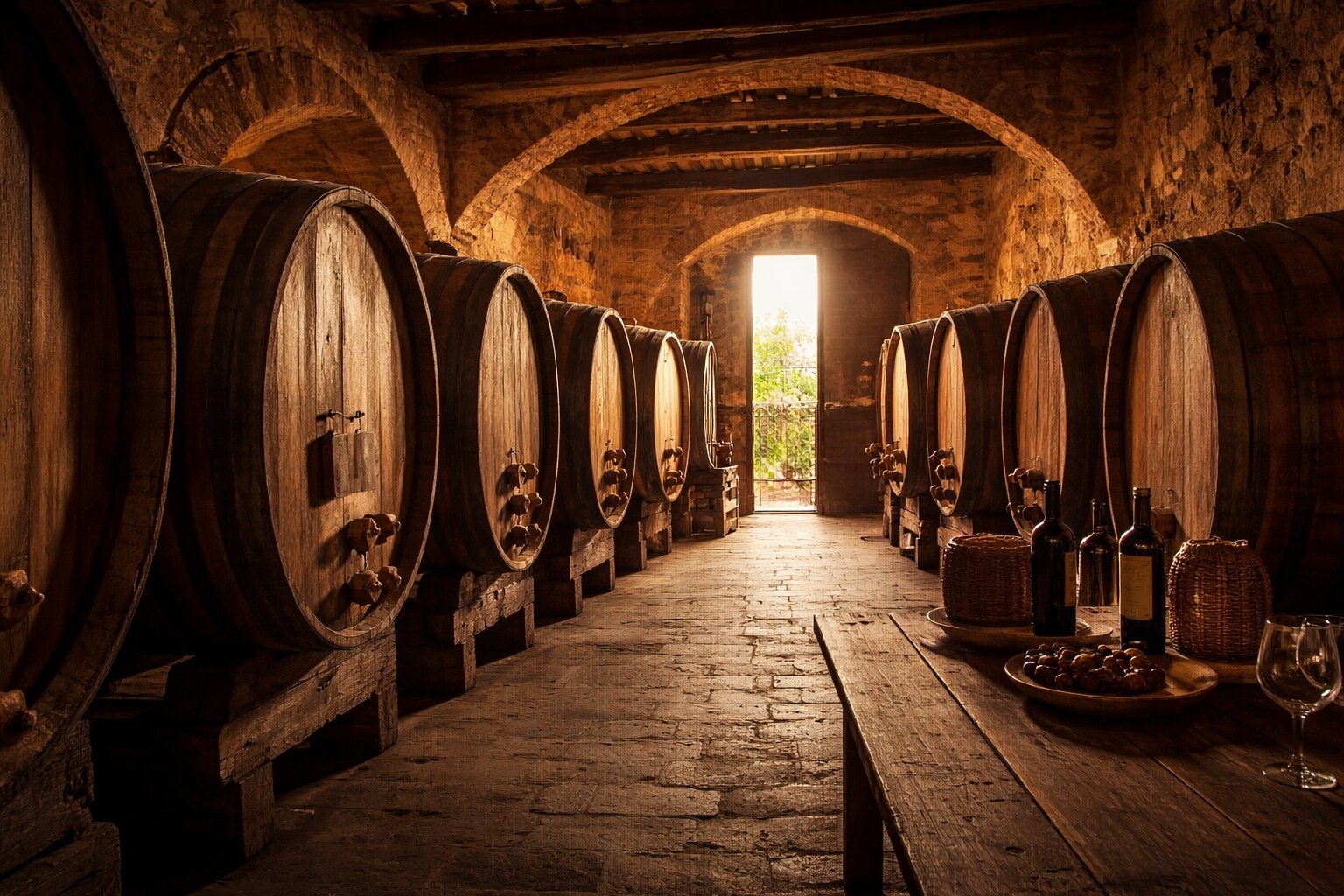
The first estate appears after forty minutes—a stone farmhouse surrounded by oak barrels in a vaulted cantina that holds the sharp sweetness of fermenting grapes even in autumn. You taste three wines: a young Chianti with cherry bite, a Riserva aged two years in Slavonian oak, and a Super Tuscan blend the cellar master pours from a bottle without a label. Bread and olive oil temper the tannins.
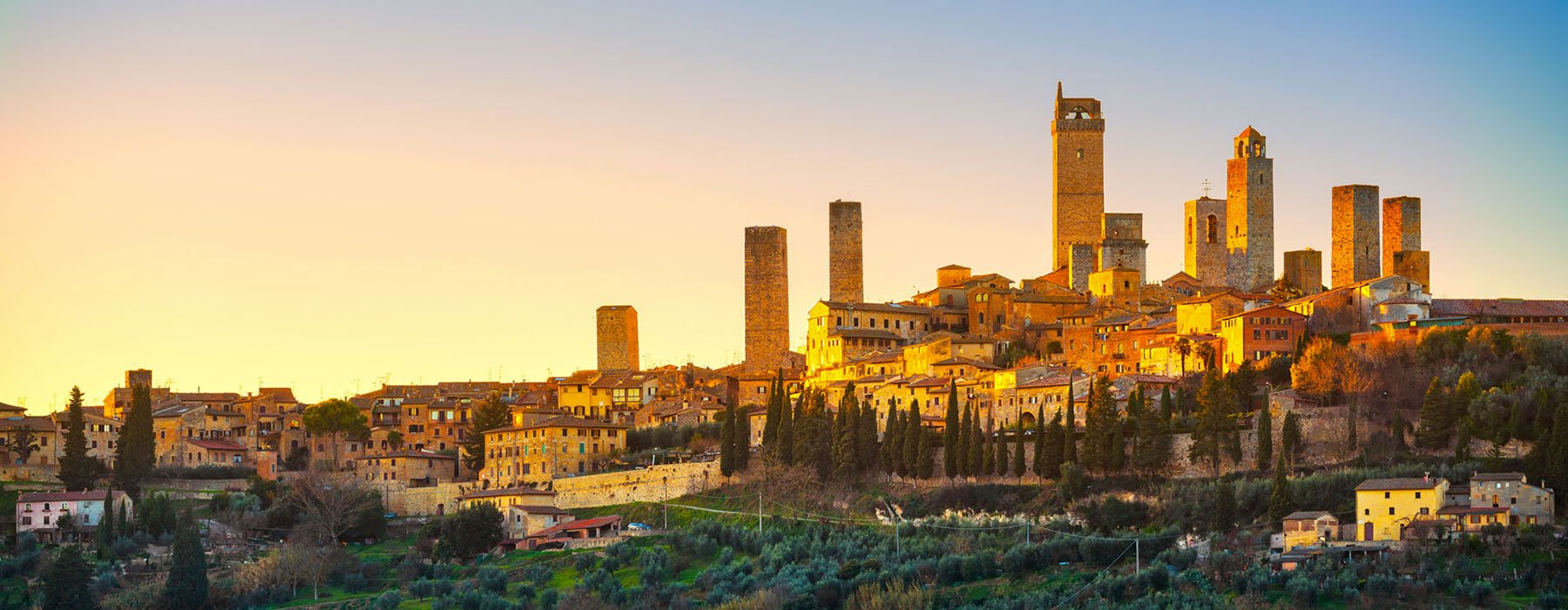
San Gimignano's towers rise ahead as the coach descends into the Elsa valley, fourteen stone fingers against a pale sky. You enter through Porta San Giovanni, the southern gate, and walk uphill on Via San Giovanni where twelfth-century archways frame gelato shops and ceramic studios. The Piazza della Cisterna opens suddenly—an oval of herringbone brick enclosed by towers, the travertine well at its centre unchanged since 1273. You climb the Torre Grossa's 218 steps to a rooftop where Siena's cathedral dome marks the southern horizon and the Vernaccia vineyards spread west in silver-green waves. The descent leaves your knees aching. You buy Vernaccia in a cool enoteca before the return journey to Florence, arriving by seven as streetlights flicker on along the Arno.
All the details about your upcoming adventure in one place
San Gimignano's fourteen surviving towers once numbered seventy-two, each built by rival merchant families between 1150 and 1350 to display wealth and military strength.
The Torre Grossa, completed in 1311, reaches fifty-four metres and remains the tallest structure in a skyline that has changed little since Dante walked these streets in 1300 as a Florentine ambassador. The town earned its UNESCO World Heritage designation in 1990 not for romantic appeal but for preserving a complete medieval urban fabric—stone towers, frescoed churches, original street plans—that disappeared from every other Tuscan commune during Renaissance renovations.
The surrounding Vernaccia vineyards predate the towers by three centuries. Pope Martin IV praised San Gimignano's white wine in 1276, and by 1300 Vernaccia was exported to London, Rome, and the Hanseatic ports. The grape thrives in the galestro soil between the Elsa and Pesa valleys, producing a mineral-sharp white that became Italy's first Denominazione di Origine Controllata wine in 1966. Modern estates still cultivate the same slopes visible from the Torre Grossa's summit, where terraced rows climb toward Monteriggioni's fortress walls twelve kilometres north.
Chianti Classico production centres on the triangle between Florence, Siena, and San Gimignano, where Sangiovese vines grow in clay-limestone soils at elevations between 250 and 600 metres. The Gallo Nero consortium established formal boundaries in 1924, protecting 70,000 hectares across the Greve, Panzano, and Castellina zones. Estates that open their cantinas for tastings typically maintain oak barrel cellars dating to the eighteenth century, though fermentation methods have shifted from governo all'uso toscano to temperature-controlled steel since the 1980s. A standard tasting includes Chianti Classico aged twelve months, Riserva aged twenty-four months, and often a Super Tuscan blend incorporating Merlot or Cabernet alongside traditional Sangiovese.
The Piazza della Cisterna's travertine well, completed in 1273, supplied water to twenty thousand residents during San Gimignano's mercantile peak. Today the permanent population numbers 7,800, but the medieval quarter sees 3.5 million visitors annually, concentrated between April and October. The Collegiata di Santa Maria Assunta holds Ghirlandaio's 1475 fresco cycle depicting Saint Fina, the town's patron saint, whose relics rest in a marble chapel designed by Giuliano da Maiano. Entry to the church costs five euros; the tower climb adds another nine.
The Torre Grossa reaches fifty-four metres and remains the tallest structure in a skyline unchanged since 1311.
Casual and comfortable footwear is recommended for walking on historic stone-paved streets. Modest dress is required when entering religious sites such as the Collegiate Church of Santa Maria Assunta.
Large backpacks and bulky luggage should be left in your transport vehicle, as narrow medieval streets and museum interiors are ill-suited for them. Security checks may apply at specific museum entrances.
Photography is permitted in outdoor areas and squares of San Gimignano. Inside museums and churches, please verify signage as flash photography is often prohibited to protect frescoes.
Families are welcome, though strollers may be difficult to navigate due to cobblestones and narrow passages. Using a baby carrier is highly recommended for exploring this hilltop destination.
The historic center features steep, narrow, and uneven stone paths that may be challenging for wheelchair users. Visitors with limited mobility should check for accessible entry points at individual museums.
Enjoy local Vernaccia wine and Tuscan specialties at designated trattorias and enotecas throughout the town. Please avoid consuming food or drink while inside museums or churches.
Opening Hours
09:00–19:30
Address
San Gimignano, 53037 SI, Italy
Entry Policy
Free access to town center; fees apply to specific museums/towers.
Arrival Window
09:00–11:00 (Avoid mid-day tour bus crowds and peak heat.)
Navigation
Explore the narrow pedestrian streets of the historic center on foot.
Full refunds are typically available for pre-booked tours if cancelled at least 24 hours before the experience start time. Note that town entry is free, so fees only apply to reserved museum or tower access.
Recommended time
4-5 hours
To fully enjoy a tuscany wine tour and san gimignano from florence, allocating half a day allows for wandering the medieval skyline and sampling local Vernaccia without feeling rushed. Choosing tuscany wine tour and san gimignano from florence tours early in the day helps avoid the peak congestion of excursion groups that arrive by mid-afternoon. If you plan to secure tuscany wine tour and san gimignano from florence tickets for internal tower climbs or museum entries, budget an extra hour to manage potential queues at these stone fortifications.
Crowd levels through the day
San Gimignano earned its epithet 'Medieval Manhattan' through a single architectural arms race. Between the 12th and 14th centuries, rival Guelph and Ghibelline families erected seventy-two tower-houses, some reaching fifty-four meters, as vertical declarations of wealth and political allegiance. The 1255 municipal statute formalized this competition by prohibiting any tower from exceeding the Torre Grossa's height, codifying skyline dominance into law. Only fourteen towers survive today, their truncated neighbors demolished for building stone or toppled by seismic tremors. The town's fortune pivoted on the Via Francigena pilgrimage route connecting Canterbury to Rome. Saffron cultivation financed the tower boom—San Gimignano's crocus fields supplied dye to Florentine textile guilds, commanding prices that funded both construction and Ghirlandaio's fresco cycles in the Collegiata. The Black Death of 1348 killed half the population and severed trade networks. By 1353, the commune surrendered autonomy to Florence, becoming a provincial backwater whose economic stagnation paradoxically preserved its medieval fabric. Vernaccia wine production, documented since 1276 when Pope Martin IV reportedly drowned eels in it, sustained the agricultural hinterland through centuries of decline. Modern tuscany wine tour and san gimignano from florence itineraries link the town's oenological tradition to Chianti's resurgence, pairing tower visits with vineyard tastings in the surrounding hills. UNESCO recognition in 1990 reframed abandonment as heritage, attracting two million annual visitors who navigate the same stone corridors Dante walked in 1300 during his diplomatic mission. The Piazza della Cisterna's travertine well, completed in 1287, still anchors the civic center where saffron merchants once bartered with Flemish traders. Tour operators now position San Gimignano as the architectural counterpoint to Florence's Renaissance grandeur, marketing the towers as frozen artifacts of factional warfare turned tourist infrastructure. The best tuscan wine and san gimignano tours from florence depart early to capture morning light on the Torre Grossa before coach crowds fill the Via San Giovanni.
Lombard settlement named after Bishop Gimignano of Modena, who allegedly saved the village from Barbarian raids
Commune declares independence from Volterra bishopric, initiating tower construction boom
Municipal statute caps tower heights below Torre Grossa at 54 meters, formalizing architectural competition
Black Death pandemic kills approximately 50% of population, collapsing saffron trade networks
Economic collapse forces commune to submit to Florentine rule, ending political autonomy
Counter-Reformation renovations whitewash medieval frescoes in Collegiata, obscuring 14th-century artworks
Allied bombing damages south gate; Nazi retreat mines are defused without detonation
UNESCO inscribes site as World Heritage for preserving medieval urban fabric and tower skyline
Stand in the center of this triangular square to capture the medieval stone towers and the central 13th-century well. Use a wide-angle lens to frame the historic houses surrounding the space.
Planning a tuscany wine tour and san gimignano from florence requires thoughtful preparation, as the medieval streets feature historic cobblestones that challenge strollers. Families will appreciate the town's accessible layout once past the main gates, offering a classic taste of the Italian countryside.
Avoid wide strollers, as the historic center features uneven cobblestones and narrow passages; a lightweight, foldable carrier is often the best choice for navigating the town.
When booking tuscany wine tour and san gimignano from florence tours, look for operators that limit vineyard travel time to ensure children remain engaged during the excursion.
Aim to arrive between 09:00–11:00 to navigate the town comfortably before the afternoon heat and larger crowds fill the narrow alleys.
Most local trattorias are welcoming, but ensure your tuscany wine tour and san gimignano from florence tickets include a lunch reservation that accommodates younger palates with simple pasta options.
Public restrooms are available near the town center, though baby-changing facilities are rare; bring a portable changing pad and plan accordingly during your visit.
Visitors planning a tuscany wine tour and san gimignano from florence will find the town center packed with traditional trattorias and gelato shops. While your day includes vineyard tastings, many opt to dine within the medieval walls for local Vernaccia wine and pecorino cheese.
Famous for award-winning artisan gelato, this spot is ideal for a quick treat while exploring the historic center. Expect lines during the afternoon, so consider visiting during your arrival window when the streets are quieter.
This refined restaurant offers seasonal Tuscan cuisine, providing a perfect sit-down experience for those seeking local ingredients. It is a popular choice for guests on various tuscany wine tour and san gimignano from florence tours who appreciate high-quality wine pairings.
A Michelin-starred establishment offering a sophisticated take on regional classics near the town gates. Advance reservations are highly recommended for those using tuscany wine tour and san gimignano from florence tickets to manage their itinerary.
Located in the main piazza, this café serves coffee and light snacks with views of the historic square. It serves as a convenient meeting point for travelers needing a break before their tuscany wine tour and san gimignano from florence tour continues.
Everything you need to know for your journey
The town center of San Gimignano is open daily from 09:00–19:30 for your visit.
Access to the town center is 0 EUR, though fees apply to specific towers or museums included in your tour.
We recommend arriving between 09:00–11:00 to avoid mid-day tour bus crowds.
Wear comfortable shoes for cobblestones and modest clothing if visiting churches in San Gimignano.
Yes, families are welcome, though baby carriers are better than strollers for the uneven streets.
Most tours allow cancellations with a full refund up to 24 hours before your scheduled arrival.
Yes, but please check for 'no flash' signs inside museums and religious buildings in San Gimignano.
Most visitors reach the town by car or coach; parking is available outside the city walls.
You can combine your trip with visits to nearby sites like the Rocca di Montestaffoli or local vineyards.
Join thousands of happy travelers who have discovered this incredible experience
Book Your Experience Now